Find Treatment By
Rehabs by Location


Learn
About Us
Recovery.com combines independent research with expert guidance on addiction and mental health treatment. Our mission is to help everyone find the best path to recovery through the most comprehensive, helpful network of treatment providers worldwide.
Advisory Council
Our advisory council brings together leaders in behavioral health, technology, and business. Their diverse expertise ensures our resources and product are innovative, evidence-based, and effective. They guide our mission as accomplished individuals dedicated to improving the landscape of addiction recovery and mental wellness.
Horace Gold’s 7 Vulnerable Lessons on Getting Sober, Letting Go of Shame, and Finding Joy Again


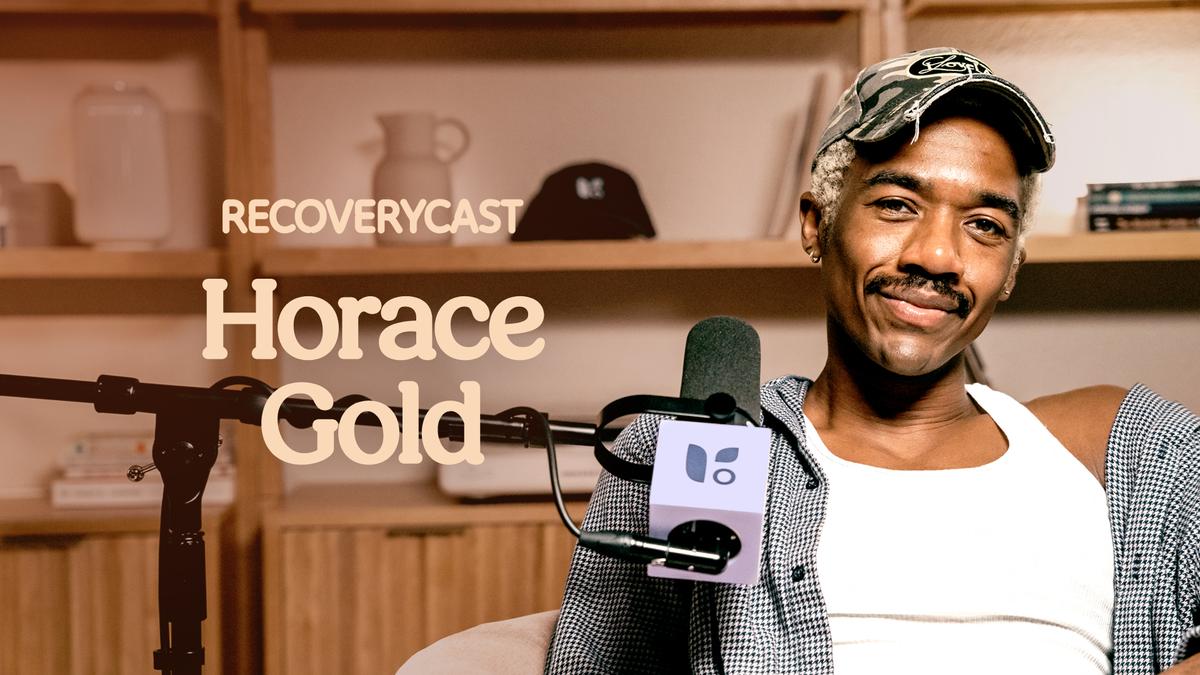
For years, Horace Gold believed that success in music would solve everything. If he could build the career he dreamed of and find his place in the world, maybe the loneliness and uncertainty he carried would disappear.
Instead, alcohol became his escape.
What started as a way to connect with others gradually turned into a destructive cycle of drinking and shame. But even as his career and relationships suffered, Horace struggled to imagine a life without alcohol.
Today, the actor, content creator, and host of Hardly Qualified has a different perspective. After getting sober in 2020, he discovered that many of the things he once sought through alcohol—like confidence and connection—were possible without drinking.
In this episode of Recoverycast, Horace joins the podcast for a candid conversation about his experience with alcohol addiction. He gets real about the emotional wounds that shaped his drinking, and the people who helped him find a new path.
Here are seven lessons from his story.
1. Alcohol Can Become an Escape From Loneliness
Growing up in South Central Los Angeles, Horace often felt like he didn't belong. Raised in a conservative Christian household and homeschooled as the youngest of six children, he watched other kids experience a world he felt disconnected from.
As his older siblings left home, that isolation grew. Horace remembers anticipating the moment when he would be left alone, a fear that eventually shaped how he approached relationships.
Alcohol initially seemed to offer something different. He started drinking as a teenager, and by 18, it had become an important part of his social life. When his high school friends moved away, he struggled with the loss of the community he had finally found.
He remembers drinking two bottles of wine in the afternoon while arguing with a close friend over the phone. Looking back, he recognizes how much of his anger came from feelings of abandonment and sadness. Drinking gave him a temporary way to escape emotions he didn't know how to process.
His experience highlights how alcohol use can become intertwined with emotional pain. For Horace, drinking became a way to manage loneliness and the fear of being left behind.
2. Chasing Success Won't Heal What's Hurting Inside
Music was one of Horace's earliest passions. He grew up singing, auditioned for American Idol, and eventually studied songwriting at Berklee College of Music. He believed he was destined for a successful career in entertainment.
But when that career didn't unfold as expected, his disappointment became increasingly difficult to manage. He found himself attending industry parties and meeting accomplished songwriters, all the while wondering why his own breakthrough hadn't happened.
The frustration sometimes came out in ways he now finds embarrassing. He recalls getting drunk at a concert and taking the microphone from the performer. Beneath the behavior was a painful belief that the moment should have belonged to him.
Horace now recognizes how deeply he had tied his identity to professional achievement. He expected success to provide the belonging and validation he had been searching for, and when it didn't pan out how he imagined, alcohol became a way to cope with the disappointment.
Recovery eventually helped him reconsider that relationship. After getting sober, he stepped away from music for several years. He built a career in acting and content creation, and later rediscovered his love of songwriting. This time, he could appreciate music without placing the same pressure on it to define his worth.
Explore Alcohol Treatment Centers
3. Shame Can Push Away the People Who Want to Help
As Horace's drinking progressed, friends began noticing concerning changes in his behavior. But rather than listening to their concerns, he often stopped speaking to them altogether.
It wasn't necessarily because they criticized his drinking. Horace explains that he was terrified of being rejected after someone witnessed him at his worst. Ending the friendship first felt safer than waiting for the other person to leave.
This pattern reflected something he had learned much earlier in life. Having grown up expecting people to leave, he tried to protect himself by controlling when relationships ended. Alcohol-related embarrassment only intensified that fear.
Even years into sobriety, Horace acknowledges that some relationships remain difficult to revisit. Certain people remind him of painful experiences, and he’s still working through the grief and shame connected to those memories.
One of the most meaningful lessons from his recovery is that personal growth doesn't require pretending the past never happened. Horace can recognize the harm his behavior caused while also extending compassion to the younger version of himself who was struggling.
4. Sometimes One Person Staying Can Change Everything
One of the most powerful moments in Horace's story involves his friend Shannon, who witnessed him during the final days of his drinking.
By that point, his alcohol use had escalated dramatically. He describes months of heavy drinking coupled with increasing isolation and serious emotional distress. Shannon saw him in an especially vulnerable state and drove him to his parents' home.
What happened next challenged a belief Horace had carried for most of his life: Shannon remained his friend.
For someone who had spent years assuming that being seen at his worst would lead to rejection, her continued support was difficult to comprehend. She had witnessed the very things he feared would drive people away, yet she still cared about him.
Horace credits that experience with helping change his understanding of friendship. Within days, he took steps toward sobriety. Although many factors contributed to that decision, Shannon's compassion helped him recognize that he didn't have to face everything alone.
His story is a reminder of how meaningful support can be during addiction recovery. A trusted friend can’t make someone recover, but showing up with compassion and consistency can help create space for change.
5. Getting Sober Starts With Being Willing to Try Something Different
By late 2019, Horace's drinking had reached a crisis point. But even after waking up in a hospital following a particularly difficult night, his first instinct was to get another drink.
He had attempted to stop drinking before, but those efforts hadn't lasted. At one point, he attended Alcoholics Anonymous (AA) meetings while continuing to use marijuana. He was beginning to recognize that something needed to change, even if he wasn't sure what recovery would look like.
Near the end of December, a friend encouraged him to attend another recovery meeting. This time, Horace was willing to listen. After years of trying to make drinking work, he had reached a point where the possibility of a different life felt worth exploring.
On January 1, 2020, he attended a recovery meeting and began his sobriety journey.
He hasn't returned to drinking or substance use since. Looking back, he describes sobriety as one of the greatest gifts of his life.
Horace also emphasizes that his experience is personal. What helped him maintain sobriety was remembering how destructive his drinking had become and recognizing that he no longer wanted to repeat those experiences. His story shows how a willingness to accept support can become an important turning point in recovery.
6. Sobriety Doesn't Mean Giving Up Fun or Friendship
One of Horace's favorite discoveries in recovery was realizing that he could still enjoy the things he loved without alcohol.
He remembers attending a rooftop house party in downtown Los Angeles during early sobriety. He stayed out until the early morning, danced, socialized, and enjoyed himself. But the next day, he felt strangely unsettled. He called a trusted recovery mentor, concerned that staying out so late might have been a mistake.
After hearing what happened, his mentor reassured him that he had simply enjoyed a night out without drinking. For Horace, that realization was liberating.
During active addiction, going out had often meant seeing how intoxicated he could become. In sobriety, he discovered he could actually enjoy the conversations. He could have fun and wake up the next morning without the shame or consequences he had previously experienced.
Today, Horace embraces his naturally outgoing personality. He loves dancing, spending time with friends, and being part of a crowd. He sees these experiences as an opportunity to reconnect with the joy and freedom he missed during childhood and active addiction.
Not everyone in recovery feels comfortable in environments where alcohol is present, and avoiding certain settings may be important for maintaining sobriety. But for Horace, learning to participate in social experiences without drinking has been an empowering part of rebuilding his life.
7. Lasting Recovery Is About Connection, Self-Acceptance, and Continued Growth
Horace is clear that sobriety hasn't eliminated life's challenges. He still experiences difficult emotions. What has changed is how he responds to them.
Rather than turning to alcohol, he relies on a combination of community, therapy, spirituality, and self-reflection. When he feels overwhelmed, talking with someone he trusts can help him get out of his own head and see a situation differently.
Sometimes, he says, the solution is surprisingly simple. He might need to rest, spend time outside, or focus on helping someone else. Other times, he needs to examine what's underneath an uncomfortable feeling, particularly when fear or insecurity is influencing his reactions.
His recovery has also involved learning to accept parts of himself he once struggled to embrace. Growing up in a conservative religious environment, Horace experienced conflict surrounding his sexuality, faith, and identity. Today, he encourages others to question the expectations placed on them and pursue a life that feels authentic.
Looking back, one of the biggest lessons he would share with his younger self is to stop trying to earn approval from people who are also figuring out their own lives. He’s learned that connection, self-acceptance, and personal growth are more meaningful than constantly trying to prove his worth.
For Horace, recovery is about finding the freedom to be himself and experience life without relying on alcohol.
Finding Freedom Beyond Alcohol
Horace’s story is a reminder that recovery can be about much more than stopping drinking. For him, sobriety created opportunities to rediscover the joy of everyday life.
His journey also shows that healing isn't always linear. Even after years of sobriety, some emotions and relationships remain complicated. But with support and a willingness to keep growing, he's found new ways to navigate life's challenges.
Listen to Horace’s full episode of Recoverycast to hear more about his experience. If his story resonates with you, consider sharing the episode with someone who might benefit from hearing it.
And if you or someone you care about is struggling with alcohol use, Recovery.com can help you find and compare addiction treatment options, explore different levels of care, and take the next step toward recovery.
Our Promise
How Is Recovery.com Different?
We believe everyone deserves access to accurate, unbiased information about mental health and recovery. That's why we have a comprehensive set of treatment providers and don't charge for inclusion. Any center that meets our criteria can list for free. We do not and have never accepted fees for referring someone to a particular center. Providers who advertise with us must be verified by our Research Team and we clearly mark their status as advertisers.
Our goal is to help you choose the best path for your recovery. That begins with information you can trust.