Find Treatment By
Rehabs by Location


Learn
About Us
Recovery.com combines independent research with expert guidance on addiction and mental health treatment. Our mission is to help everyone find the best path to recovery through the most comprehensive, helpful network of treatment providers worldwide.
Advisory Council
Our advisory council brings together leaders in behavioral health, technology, and business. Their diverse expertise ensures our resources and product are innovative, evidence-based, and effective. They guide our mission as accomplished individuals dedicated to improving the landscape of addiction recovery and mental wellness.
honestav’s 7 Hard Truths on Addiction, Grief, and Turning Pain Into Purpose


If you or someone you know is struggling with thoughts of suicide or is in immediate danger, help is available. In the United States and Canada, you can call or text 988 to reach the Suicide & Crisis Lifeline and connect with a trained crisis counselor 24 hours a day, 7 days a week. If you are outside the U.S. or Canada, please contact your local crisis service or emergency services.
Growing up around addiction can change the way a person sees the world. It can shape a person’s childhood, emotions, relationships, and even the future they believe they're destined to have.
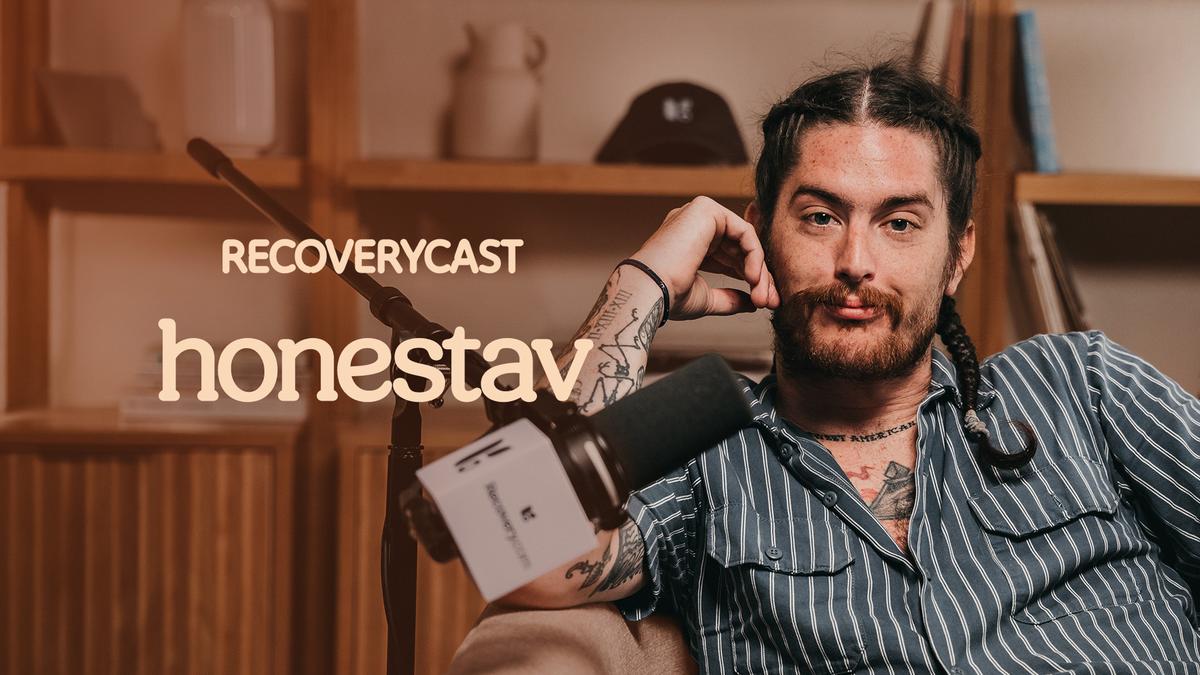
On this episode of Recoverycast, creator and musician honestav shares a story that’s equal parts heartbreaking and hopeful. Raised by parents struggling with addiction, he witnessed how substance use affected every member of his family. He later survived the devastating loss of his brother to suicide and his father to an overdose, experiences that eventually inspired his viral song "I'd Rather Overdose."
Throughout the conversation, honestav speaks with remarkable vulnerability about grief, mental health, and trauma, and why storytelling has become his greatest form of healing. His journey offers powerful reminders for anyone affected by addiction, whether they're living with it themselves or loving someone who is.
Here are seven of the biggest lessons from his Recoverycast conversation.
1. Addiction Doesn't Always Look Like What You Expect
When honestav was young, he believed addiction looked exactly like his mother's methamphetamine use. To him, addiction looked like chaos and obvious signs that something was wrong.
His father's addiction looked completely different.
His dad went to work, paid bills, and stayed home. From the outside, everything appeared relatively normal. Looking back, honestav realized his father wasn't emotionally present because prescription pills had quietly taken over his life. Instead of family outings or conversations, his dad spent most of his time isolated in his bedroom.
"I never realized drug addicts could also be... working a nine-to-five," honestav says. That realization completely changed his understanding of addiction.
I never realized drug addicts could also be... working a nine-to-five.
His story reminds us that addiction exists across every profession, income level, and family structure. Someone can appear successful while struggling every day.
2. Children Learn How to Handle Emotions by Watching Adults
One of honestav’s biggest realizations didn't happen until adulthood.
He noticed that every important adult in his life handled emotions the same way. If they were sad, they drank. If they were angry, they took pills. If life became overwhelming, substances became the solution.
He never saw healthy coping.
That absence stayed with him long after childhood ended. As an adult, he recognized the same instinct inside himself. Celebration made him want to drink. Stress made him want to drink. Grief made him want to escape.
It wasn't simply addiction he inherited, but a blueprint for handling emotions.
His insight speaks to one of recovery's biggest challenges. Healing often requires learning emotional skills that were never modeled in the first place. Recovery isn't only about stopping substance use; it's also about discovering healthier ways to process life's hardest moments.
Explore Drug Addiction Treatment Centers
3. Children Living With Addiction Often Hide in Plain Sight
One of the most emotional parts of the conversation comes when honestav reflects on school.
Teachers often saw him as the loud, disruptive kid. What they didn't see was everything happening after the school day ended.
He recalls sending poems and writing assignments describing abuse, hopelessness, and suicidal thoughts to a teacher, hoping someone would notice what he couldn't say out loud. Instead, he says those cries for help were largely ignored.
Looking back, he wonders how many children are labeled as "problem students" when they're actually carrying unimaginable burdens at home.
His story serves as an important reminder that difficult behavior often has deeper roots. Behind anger, impulsivity, or acting out may be a child desperately searching for safety, stability, or someone willing to ask one more question.
4. Unprocessed Grief Can Deepen Addiction
The turning point for honestav’s family came when his older brother died by suicide.
He vividly recounts finding his brother and the shock that followed. In the years afterward, grief consumed the entire family. Instead of talking about what happened, everyone coped the only way they knew how, through alcohol, pills, anger, and silence.
His father's addiction worsened dramatically after the loss.
Arguments became more frequent. Violence increased. Conversations about grief never happened.
"We never talked about it once," honestav says about the shared trauma he and his father experienced together.
The silence became its own kind of pain.
His experience illustrates something many families know all too well. When grief isn't processed, it doesn't disappear. It often resurfaces through addiction, mental health struggles, broken relationships, or emotional isolation.
5. Healing Begins When You're Willing to Talk About What Hurts
For years, honestav’s family followed the same pattern whenever life became overwhelming. Difficult conversations were avoided. Emotions stayed buried. Pain was numbed instead of processed.
He realized he was different. Whenever something happened, his instinct was to write.
As a teenager, after his father broke his nose during an argument, he immediately sat down at his laptop and wrote about it. Years later, after losing his father, he did the same thing. Writing became the one place where he could say everything his family never could.
“My whole life, all I've known how to do is write about it,” he explains.
My whole life, all I've known how to do is write about it.
That vulnerability eventually became the foundation of his music career.
For honestav, songwriting isn't simply entertainment. It's survival.
His willingness to speak openly about trauma allows other people to feel seen in their own struggles. Every conversation about addiction, grief, or mental health becomes another reminder that healing doesn't start by pretending everything is okay. It starts by telling the truth.
Whether that's through therapy, journaling, music, or talking to someone you trust, giving painful experiences a voice can be one of the most powerful steps toward recovery.
6. Your Story Can Help Someone Else Feel Less Alone
When honestav released "I'd Rather Overdose," he wasn't trying to write an anthem for recovery. He was writing a letter to his father.
The song came from the overwhelming grief he felt after his father's overdose. He describes thinking, "I want to overdose because I can't be without you." It was an honest reflection of his own pain, anger, and heartbreak.
What happened next surprised him.
Listeners interpreted the song differently than he expected. Instead of hearing only grief, many heard a powerful reminder of addiction's ripple effects. People in recovery began sharing the song with friends and family. Others said it helped them understand what addiction does not only to the person struggling, but to everyone who loves them.
honestav recalls meeting fans who told him the song encouraged them to pursue sobriety or helped them feel understood during some of the darkest moments of their lives. His deeply personal experience became something much larger.
It's a reminder that vulnerability often creates connection. We may never know whose life is changed simply because we chose to tell our story honestly.
7. Breaking Generational Cycles Starts With Doing Something Different
One theme surfaced throughout nearly every chapter of honestav’s story.
Cycles repeat themselves.
Growing up, he promised himself he would never become like his parents. As an adult, he discovered it wasn't that simple. Even without realizing it, he had inherited many of the same emotional habits they modeled throughout his childhood.
That's what motivated him to begin intentionally building healthier routines.
He talks about teaching himself simple habits many people take for granted, creating morning routines, learning consistency, paying bills on time, and developing healthier ways to respond to difficult emotions. Those small changes represent something much bigger. They're acts of breaking generational patterns.
He also offers an important reminder for anyone supporting someone with addiction.
Behind addiction is usually a hurt person.
As honestav reflects on his parents, his perspective has evolved. Instead of only asking why they couldn't stop using substances, he now recognizes they were trying to survive pain they never learned to process.
That doesn't excuse the harm addiction caused. But it creates room for compassion alongside accountability.
Recovery isn't only about ending substance use. It's about changing the emotional patterns that get passed from one generation to the next.
honestav’s story is difficult to hear, but it's also deeply hopeful.
Growing up surrounded by addiction, losing his brother to suicide, and losing his father to an overdose could have defined the rest of his life. Instead, he's choosing a different path. Through music, honest conversations, and vulnerability, he's transforming unimaginable pain into something that helps thousands of other people feel understood.
His story is a reminder that recovery isn't just about substances. It's about learning to feel emotions instead of escaping them, asking for help instead of suffering in silence, and believing that even the hardest experiences can become a source of hope for someone else.
If you or someone you love has been affected by addiction, grief, or mental health challenges, honestav’s conversation offers both honesty and encouragement. Sometimes, simply knowing someone else has survived what you're facing can make all the difference.
Listen to the full episode of Recoverycast to hear honestav’s story in his own words, and explore more stories, resources, and treatment options at Recovery.com. If this episode resonated with you, consider sharing it with someone who may need to hear it today.
Our Promise
How Is Recovery.com Different?
We believe everyone deserves access to accurate, unbiased information about mental health and recovery. That's why we have a comprehensive set of treatment providers and don't charge for inclusion. Any center that meets our criteria can list for free. We do not and have never accepted fees for referring someone to a particular center. Providers who advertise with us must be verified by our Research Team and we clearly mark their status as advertisers.
Our goal is to help you choose the best path for your recovery. That begins with information you can trust.