Find Treatment By
Rehabs by Location


Find Treatment By
Learn
About Us
Recovery.com combines independent research with expert guidance on addiction and mental health treatment. Our mission is to help everyone find the best path to recovery through the most comprehensive, helpful network of treatment providers worldwide.
Advisory Council
Our advisory council brings together leaders in behavioral health, technology, and business. Their diverse expertise ensures our resources and product are innovative, evidence-based, and effective. They guide our mission as accomplished individuals dedicated to improving the landscape of addiction recovery and mental wellness.
Gabe Pietrafesa’s 9 Real Lessons on Sobriety, Music Industry Pressure, and Building a Life After Alcohol


Kayla Currier is a Senior Web Content Editor at Recovery.com. She received her B.A. in Journalism and Media Studies at the University of South Florida where she served as a contributing writer and editor for the Crow’s Nest.
Kayla Currier is a Senior Web Content Editor at Recovery.com. She received her B.A. in Journalism and Media Studies at the University of South Florida where she served as a contributing writer and editor for the Crow’s Nest.
Table of Contents
- 1. People Pleasing Can Set the Stage for Addiction
- 2. Addiction Can Start as Something That “Works”
- 3. High-Performance Environments Can Hide Problem Drinking
- 4. Rock Bottom Is Often a Moment of Clarity, Not Collapse
- 5. Sobriety Can Start with a Short-Term Commitment
- 6. The Right Support System Can Change Everything
- 7. Recovery Means Learning to Feel Without Numbing
- 8. You Have to Learn Where ‘Enough’ Comes From
- 9. “Try It Sober, Just Once”
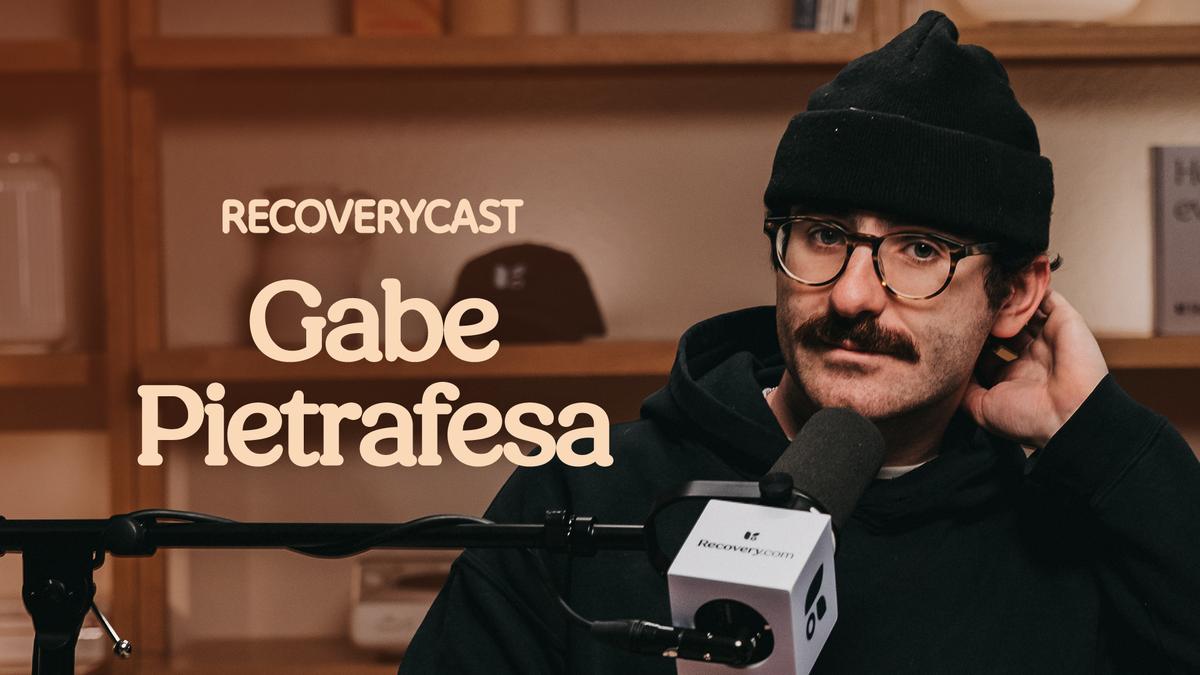
For years, Gabe Pietrafesa lived what many would consider a dream. Touring with his band, building a following, and fully immersed in the music scene, his life revolved around performance, connection, and constant motion. But behind the scenes, alcohol and drugs slowly became part of the routine, then the norm, and eventually something much harder to control.
On this episode of Recoverycast, Gabe shares how what once felt manageable turned into something that nearly cost him everything, including the band he loved most. His story isn’t just about hitting rock bottom, but identity, self-awareness, and what happens when you strip away the substances and finally sit with yourself.
This episode explores Gabe’s journey through sobriety, creativity, and personal growth, highlighting the lessons that stand out most for anyone navigating addiction, recovery, or even just questioning their relationship with alcohol.
1. People Pleasing Can Set the Stage for Addiction
Gabe describes himself as deeply sensitive, someone who could read a room and adapt instantly. Growing up, he learned how to anticipate what others wanted and deliver it. It worked. Teachers liked him, adults trusted him, and he avoided conflict.
But that skill came with a cost.
“I’ve always been like a chameleon,” he explains. “I can fit in pretty much anywhere, but then you’re not being true to yourself.”
That tendency to shape-shift made it harder for him to understand his own needs. Over time, it blurred the line between authenticity and performance, something that later showed up in his relationship with substances.
People pleasing often looks harmless on the surface. But for Gabe, it created a foundation where external validation mattered more than internal clarity, a pattern that made addiction easier to slip into and harder to recognize.
2. Addiction Can Start as Something That “Works”
Like many stories of addiction, Gabe’s began gradually.
In high school, he avoided alcohol entirely. He had seen its effects in his family and made a conscious decision to stay away. But everything shifted when he started spending time with older friends.
One night turned into experimentation. Experimentation turned into familiarity.
“I was like, oh, it isn’t that bad,” he recalls.
At first, nothing seemed out of control. He still showed up to work, performed on stage, and maintained relationships. From the outside, everything looked fine. And that’s exactly what made it so dangerous.
The absence of immediate consequences can make harmful habits feel justified. For Gabe, the problem wasn’t obvious until it was deeply embedded in his lifestyle.
3. High-Performance Environments Can Hide Problem Drinking
Touring amplified everything.
Life on the road meant constant stimulation, late nights, and a culture where partying wasn’t just accepted, it was expected. Gabe found himself drinking before shows, after shows, and everywhere in between.
And the truth is, it worked, at least for a while.
“I get drunk, I play the show, the show goes great… what’s the issue?” he says.
This is one of the most deceptive parts of addiction, especially in high-performance environments. When substances don’t immediately disrupt success, they can feel like part of the formula.
But over time, the line between enhancement and dependence disappears.
For Gabe, the lifestyle became inseparable from the music. And that made the idea of stopping feel almost impossible.
Explore Drug Addiction Treatment Centers
4. Rock Bottom Is Often a Moment of Clarity, Not Collapse
The turning point didn’t come from a slow realization. It came from a breaking point.
After a night of heavy drinking, Gabe and his bandmates got into a physical and emotional altercation. It was chaotic, public, and had lasting effects.
“The words that were said were so horrid,” he remembers.
What made it worse wasn’t just the fight, but what it revealed. Anger, resentment, and unresolved emotions had been building under the surface for years.
In that moment, Gabe saw a version of himself he didn’t recognize, or want to be.
“I was like, that can never happen again.”
Sometimes, rock bottom isn’t about losing everything. It’s about seeing clearly, maybe for the first time, what you’re becoming.
5. Sobriety Can Start with a Short-Term Commitment
Gabe didn’t set out to quit drinking forever.
Instead, he made a simple commitment, 90 days without drinking. It felt manageable. Temporary. Less intimidating than the idea of lifelong sobriety.
During that time, he faced birthdays, holidays, and shows, all without alcohol.
And something surprising happened.
“I did it all without drinking, and I was like, okay… let me see if I can go on tour like this.”
Those first 90 days weren’t easy. He felt disconnected, uncertain, and unsure how to navigate social situations. But they gave him proof that change was possible.
Sobriety doesn’t always begin with a permanent decision. Sometimes it starts with a small window of curiosity.
6. The Right Support System Can Change Everything
One of the most powerful parts of Gabe’s story is the role of community.
When he told his band he wanted to stay sober on tour, two of them chose to join him.
That changed everything.
“If they never did that, I don’t think I would be sober right now,” he says.
The environment shifted. The pressure disappeared. Instead of late nights fueled by substances, the band started creating new routines and real connections.
Recovery often requires more than willpower. It requires support, accountability, and sometimes people willing to walk alongside you.
For Gabe, sobriety was not a solo journey. It became a shared one.
7. Recovery Means Learning to Feel Without Numbing
Without alcohol, Gabe experienced something he hadn’t felt in years: his emotions.
For the first time, he could fully process the highs of performing and the lows of everyday life.
“I get to feel the highs from my actual emotions,” he explains.
But that came with a challenge.
Sobriety removes the buffer. There is no numbing, no escape. Every feeling is sharper, more immediate, and sometimes overwhelming.
This is a reality many people in recovery face. The goal isn’t just to stop using substances, but to learn how to live without them.
For Gabe, that meant learning how to sit with discomfort, navigate anxiety, and rebuild his relationship with himself.
8. You Have to Learn Where ‘Enough’ Comes From
One of the most honest parts of the conversation comes when Gabe talks about validation.
After getting sober, he shifted from substances to other sources of dopamine, like social media, relationships, and external approval. And while those may seem healthier, they can still become substitutes.
“Where do I feel enough now?” he asks.
It’s a question that sits at the core of recovery.
Sobriety isn’t just about removing alcohol or drugs. It’s about understanding the deeper need those substances were trying to fill.
For Gabe, that work is ongoing. Therapy, reflection, and self-awareness are now part of his daily life.
And that’s the real shift, moving from avoidance to understanding.
9. “Try It Sober, Just Once”
When asked what advice he would give someone sober-curious, Gabe keeps it simple.
“Try the things you used to do messed up, try them sober.”
You don’t need to commit to forever. You don’t need to have all the answers.
Just try one experience differently.
A concert, a party, a vacation.
See what it feels like to be present, to remember it, to experience it fully.
That small experiment can open the door to something much bigger.
Gabe’ story isn’t just about quitting alcohol. It’ s about identity, growth, and the courage to face yourself without distractions.
His journey shows that sobriety isn’t a single decision, but a series of choices, moments, and realizations that build over time.
The biggest takeaway is simple but powerful. You don’t have to wait for everything to fall apart to make a change. Sometimes, awareness is enough to begin.
If this story resonated with you, consider listening to the full episode of Recoverycast, sharing it with someone who might need it, or taking a moment to reflect on your own relationship with alcohol.
Change doesn’t have to be dramatic to be meaningful. Sometimes it starts with just one different choice.










Our Promise
How Is Recovery.com Different?
We believe everyone deserves access to accurate, unbiased information about mental health and recovery. That's why we have a comprehensive set of treatment providers and don't charge for inclusion. Any center that meets our criteria can list for free. We do not and have never accepted fees for referring someone to a particular center. Providers who advertise with us must be verified by our Research Team and we clearly mark their status as advertisers.
Our goal is to help you choose the best path for your recovery. That begins with information you can trust.