Find Treatment By
Rehabs by Location


Find Treatment By
Learn
About Us
Recovery.com combines independent research with expert guidance on addiction and mental health treatment. Our mission is to help everyone find the best path to recovery through the most comprehensive, helpful network of treatment providers worldwide.
Advisory Council
Our advisory council brings together leaders in behavioral health, technology, and business. Their diverse expertise ensures our resources and product are innovative, evidence-based, and effective. They guide our mission as accomplished individuals dedicated to improving the landscape of addiction recovery and mental wellness.
EEAT for Addiction Treatment Centers: 9+ Ways to Build Trust and Rank Higher


Recovery.com Director of B2B Marketing.
Recovery.com Director of B2B Marketing.
Table of Contents
- 1. Understanding the Unique Stakes in Treatment Center Marketing
- 2. Decoding EEAT: The Blueprint for Trust
- 3. E is for Experience: Showcasing Real-World Impact
- 4. E is for Expertise: Validating Your Knowledge
- 5. A is for Authoritativeness: Establishing Your Center as a Leader
- 6. T is for Trustworthiness: The Foundation of Credibility
- 7. Building Topical Authority: Beyond the Acronyms
- 8. Common Pitfalls to Avoid: Lessons from the Field
- 9. The Future of Treatment Center Marketing: EEAT in an AI World
- Conclusion: Building Bridges of Trust
The journey to recovery is profound, and for addiction treatment centers, reaching those in need is a critical first step.
However, in a digital landscape crowded with information, standing out and building trust requires more than just a well-designed website. It demands a strategic approach to showcasing credibility and expertise.
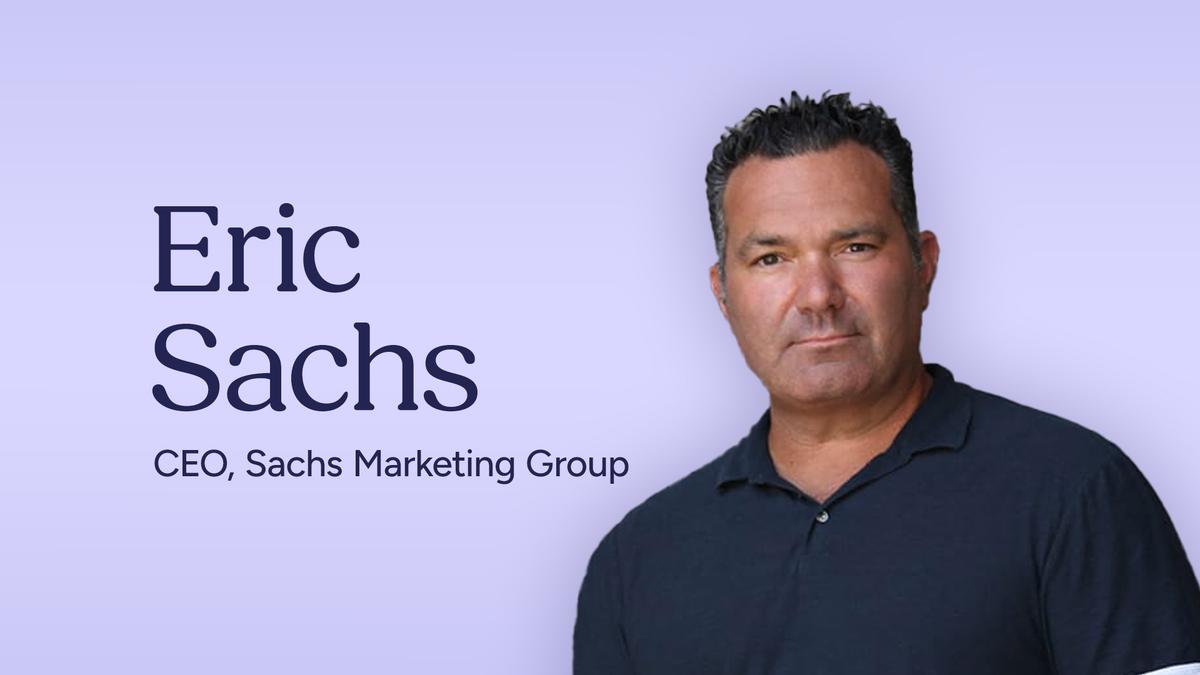
As Eric Sachs, CEO of Sachs Marketing Group, discussed on the Recovery Reach by Recovery.com podcast, Google's standards are particularly high for this sector, emphasizing the importance of what's known as EEAT:
- Experience
- Expertise
- Authoritativeness
- Trustworthiness.
This comprehensive guide will explore nine key strategies, drawing from Sachs' insights, to help treatment centers effectively demonstrate EEAT, establish topical authority, and ultimately connect with more individuals seeking help.
1. Understanding the Unique Stakes in Treatment Center Marketing
Marketing for addiction treatment centers isn't like promoting a typical consumer product.
"People's lives are at stake at the end of the day, you know, and Google knows that," Sachs said.
This high-stakes environment places treatment center websites squarely into Google’s "Your Money or Your Life" (YMYL) category.
These are pages that Google scrutinizes with exceptional care because they can significantly impact a person's health, financial stability, or safety.
Consequently, a higher caliber of marketing is essential. Treatment centers must proactively demonstrate that they are legitimate, knowledgeable, and operate with integrity.
Sachs notes:
"If you're in that category, Google takes a special look at you and wants to make sure that you're doing good work, that you ha do have expertise, that you are an authority, that you are to be trusted, and that you're not simply profiteering off the misery of others, you know?"
This heightened scrutiny from Google led to significant changes in how treatment centers can advertise online.
For a period, Google even paused ads from treatment centers altogether, later partnering with LegitScript to implement a certification process.
Now, both Google and Meta (Facebook and Instagram) require LegitScript certification for paid advertising, a process that demands transparency, such as not having privately registered domains.
2. Decoding EEAT: The Blueprint for Trust
EEAT is Google's framework for assessing the quality and trustworthiness of content, especially YMYL content. The acronym stands for:
- Experience: Does the content creator have firsthand, real-life experience with the topic?
- Expertise: Does the content creator possess the necessary knowledge and skills in the field?
- Authoritativeness: Is the content creator, or the website, recognized as a go-to source or leader in the field?
- Trustworthiness: Is the content creator, or website, seen as credible, honest, secure, and reliable?
It's not just about pleasing search engines; it's about building genuine confidence with potential clients and their families who are often in vulnerable situations.
Each component of EEAT offers a pathway to demonstrate a center's commitment to providing quality care.
3. E is for Experience: Showcasing Real-World Impact
The first 'E' in EEAT, Experience, refers to demonstrating that the center has practical, real-world involvement in helping individuals with the issues they cover.
It’s about showing, not just telling, that your team understands the challenges of addiction and mental health recovery because they've been there, guiding others through it.
How to Demonstrate Experience:
- Staff Profiles: Highlight the relevant experience of your clinical staff. Detail their years in the field, specific populations they've worked with, and their hands-on involvement in various treatment modalities. For instance, if a staff member specializes in treating co-occurring disorders or has extensive experience with trauma-informed care, this should be clearly communicated.
- Testimonials and Alumni Stories: Sharing the experiences of those who have successfully gone through your programs can be incredibly powerful. While navigating HIPAA regulations is crucial, obtaining proper authorization allows centers to share anonymized or direct testimonials that resonate with prospective clients. These stories provide relatable proof of your center's ability to help.
- Program-Specific Experience: Clearly articulate your center's experience with particular conditions or treatment approaches. If your center has a long history of successful outcomes in, for example, opioid addiction treatment or a specialized program for young adults, showcase this specific experience.
4. E is for Expertise: Validating Your Knowledge
The second 'E', Expertise, is about the formal knowledge and qualifications of the individuals providing information or care.
This is where credentials, education, and professional background become paramount.
Sachs points out that content should ideally be authored by or at least approved by someone like an MD or a PhD, or an MFT."
How to Demonstrate Expertise:
- Prominent Display of Credentials: Ensure that the qualifications of your medical and therapeutic staff (e.g., MD, PhD, LCSW, LMFT, CADC) are clearly visible on team pages, in author bios for blog posts, and wherever staff members are mentioned.
- Expert-Reviewed Content: For all informational content on your website, especially blogs and service pages, indicate that it has been written or reviewed by a qualified professional. Aton Center, a client of Sachs Marketing Group, effectively does this by including a note like "fact check and approved by Dr. Chris McDuffy, A CSW" on their service pages.
- Contributions to the Field: If your staff members have published research, presented at conferences, or contributed to academic journals, showcase these achievements. This further solidifies their expertise.
5. A is for Authoritativeness: Establishing Your Center as a Leader
Authoritativeness means your treatment center is recognized as a credible and influential voice in the addiction recovery and mental health space.
This is built over time through consistent, high-quality information and recognition from other respected entities.
How to Build Authoritativeness:
- Backlinks from Reputable Sources: Earning backlinks (links from other websites to yours) from authoritative domains like government health sites (e.g., SAMHSA - Substance Abuse and Mental Health Services Administration), educational institutions, or well-known medical organizations signals to Google that your content is valuable and trustworthy.
- Digital PR and Thought Leadership: Actively work to get your experts featured or quoted in relevant media outlets. Sachs highlighted a campaign for Dr. Leslie Sanders from Aton Center, who was quoted in articles on Yahoo and GQ. Creating an "As Seen In" section on your website to display these features can significantly boost perceived authority.
- Display Accreditations and Affiliations: Prominently feature seals and logos from accrediting bodies like The Joint Commission or CARF, as well as state licenses and memberships in respected industry organizations. These visual cues act as immediate trust signals. Aton Center, for example, lists these in their website footer.
- Active Professional Engagement: Encourage staff to participate in industry conferences, webinars, and professional organizations. This visibility contributes to the overall authority of your center. For more information on finding treatment options, you can explore resources on Alcohol Addiction Treatment on Recovery.com.
6. T is for Trustworthiness: The Foundation of Credibility
Trustworthiness is the bedrock of EEAT. It encompasses the safety, security, transparency, and honesty of your website and organization. Given the sensitive nature of addiction treatment, demonstrating trustworthiness is non-negotiable.
How to Cultivate Trustworthiness:
- Regulatory Compliance: Strictly adhere to all relevant regulations, most notably HIPAA (Health Insurance Portability and Accountability Act) for patient privacy, and maintain all necessary state licensures. For detailed information on HIPAA, refer to the U.S. Department of Health & Human Services (HHS) HIPAA for Professionals page.
- Clear Website Policies: Your website must have easily accessible and understandable policies, including a Privacy Policy, HIPAA Notice of Privacy Practices, and Terms of Service.
- Secure Data Practices: Use HIPAA-compliant forms for any online submissions of Protected Health Information (PHI), such as contact forms or verification of benefits (VOB) forms. Sachs warns that many standard website form plugins are not HIPAA compliant by default.
- Business Associate Agreements (BAAs): If you work with third-party vendors (like marketing agencies) that may have access to PHI, ensure a BAA is in place.
- Transparency in Operations: Clearly display your facility's physical address and contact information. LegitScript certification also requires transparent domain registration.
- Professional Website Design and Functionality: A professional, well-maintained website free of broken links and errors contributes to an overall sense of trustworthiness.
7. Building Topical Authority: Beyond the Acronyms
While EEAT focuses on the qualities of the source, topical authority is about becoming a recognized expert on specific subjects within your field. If your center specializes in dual diagnosis, for example, you aim to be the definitive online resource for that topic. Google ranks websites higher when they demonstrate deep and comprehensive knowledge about their core subjects.
Strategies for Building Topical Authority:
- Content Pillars and Cluster Content: Develop core "pillar" pages for your main services and the conditions you treat (e.g., "Alcohol Detox," "Trauma Therapy"). Then, create clusters of more specific articles that link back to these pillar pages, covering various aspects of the topic in depth.
- High-Quality, Expert-Driven Content: Move beyond generic, AI-generated content. Invest in creating truly informative, educational, and empathetic content that is written or reviewed by your clinical experts. This content should address the real questions and concerns of people seeking help.
- Strategic Internal Linking: Use internal links to connect related pieces of content on your site, guiding users and search engines through your expertise on a topic.
- Comprehensive Team Pages: A robust team page showcasing a diverse range of qualified professionals adds to topical authority.
For smaller centers with limited budgets, Sachs offered a valuable tip:
"So a good way to really populate a team page is by having 1099 independent contractors that may only work for you one hour a month, but, they get to be on your website because you're paying them to do work for you."
This can include yoga instructors, art therapists, or other specialists who contribute to your program.
8. Common Pitfalls to Avoid: Lessons from the Field
Eric Sachs shared an example of a new client, "Strive Forward Recovery," whose website initially had several issues hindering its EEAT and topical authority. Learning from these common mistakes can help centers avoid them:
- Vague Service Offerings: The website didn't clearly define what services the center actually provided (e.g., sober living vs. residential treatment).
- Overuse of Stock Imagery: Relying solely on generic stock photos instead of authentic images of the facility and staff can make a center seem impersonal or even illegitimate.
- Inaccurate or Misleading Information: Listing services that aren't actually offered or having outdated information erodes trust.
- Poor User Experience: Broken links, difficult navigation, or redirects to the wrong pages create frustration.
- Missing Trust Signals: The absence of a logo, accreditations, licenses, a detailed "About Us" page, or a team page makes it difficult for users and Google to assess credibility.
Addressing these foundational elements is crucial before investing heavily in other marketing efforts.
A website that fails to establish basic trust will struggle to convert visitors, no matter how much traffic it receives.
9. The Future of Treatment Center Marketing: EEAT in an AI World
With the rise of AI-powered search and content generation, some may question the ongoing relevance of traditional SEO and EEAT principles.
However, Sachs firmly believes that the idea SEO is dead and AI is taking over is a misconception.
While AI tools like Google's Gemini can provide direct answers in search results, they still pull that information from existing, indexed websites.
Therefore, EEAT becomes even more critical.
High-quality, authoritative, and trustworthy content is precisely what AI algorithms will prioritize when sourcing information. Investing in your website’s EEAT and topical authority ensures that your center is seen as a reliable source, whether by a human user or an AI.
Furthermore, discoverability isn't limited to direct Google searches. Directories and resource platforms, like Recovery.com's Treatment Center Search, play a vital role in connecting individuals with treatment options. For insights into how search is evolving, resources like Search Engine Journal offer articles on AI's impact on SEO.
Conclusion: Building Bridges of Trust
For addiction treatment centers, marketing is more than just outreach; it's a responsibility. Implementing the principles of EEAT and building strong topical authority are not merely tactics to improve search engine rankings. They are fundamental to establishing the trust that is essential for someone to take the courageous step of seeking help. As Eric Sachs' insights from the Recovery Reach podcast demonstrate, a commitment to transparency, expertise, and genuine care, reflected online, can make all the difference in reaching and helping those in need.
By focusing on these 9+ strategies, treatment centers can create a digital presence that accurately reflects their dedication and expertise, fostering connections built on credibility and hope.
For further information about navigating the path to recovery and finding quality care, visit Recovery.com.
Our Promise
How Is Recovery.com Different?
We believe everyone deserves access to accurate, unbiased information about mental health and recovery. That's why we have a comprehensive set of treatment providers and don't charge for inclusion. Any center that meets our criteria can list for free. We do not and have never accepted fees for referring someone to a particular center. Providers who advertise with us must be verified by our Research Team and we clearly mark their status as advertisers.
Our goal is to help you choose the best path for your recovery. That begins with information you can trust.