Find Treatment By
Rehabs by Location


Learn
About Us
Recovery.com combines independent research with expert guidance on addiction and mental health treatment. Our mission is to help everyone find the best path to recovery through the most comprehensive, helpful network of treatment providers worldwide.
Advisory Council
Our advisory council brings together leaders in behavioral health, technology, and business. Their diverse expertise ensures our resources and product are innovative, evidence-based, and effective. They guide our mission as accomplished individuals dedicated to improving the landscape of addiction recovery and mental wellness.
Do Childhood Experiences Shape Your Life? 10 Expert Answers On The Internet’s Most Searched ACEs Questions


What if the experiences you had before age 18 are still shaping your health, relationships, and sense of self today?
It sounds heavy, but this conversation is ultimately hopeful.
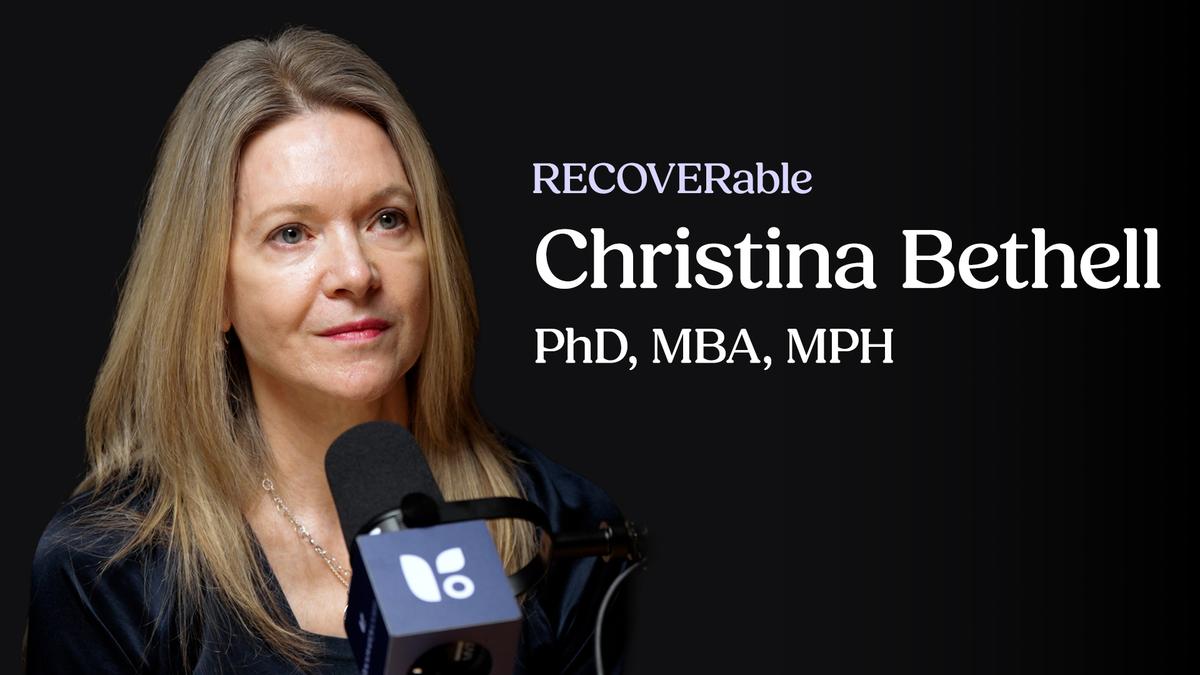
In this episode of Recoverable, host Terry McGuire sits down with Dr. Christina Bethell, a national leader in childhood development research. She helped bring widespread awareness adverse childhood experiences, or ACEs. But her work goes further, as it shows that trauma is only half the story.
This episode breaks down how early life shapes the brain, why some people struggle while others thrive, and most importantly, how healing is possible at any age. If you have ever wondered why you feel the way you do, or how to better support a child in your life, this is essential listening.
1. What Are Adverse Childhood Experiences (ACEs)?
They are the hidden forces shaping your life.
Adverse childhood experiences, or ACEs, are specific types of early life stress that research has linked to long-term health and emotional outcomes. These include abuse, neglect, and household dysfunction, such as addiction, mental illness, or domestic violence.
But here’s the key insight. It is not just what happens to you, it is how your body and mind experience it. As Dr. Bethell explains, these events trigger stress responses in the brain, activating fight-or-flight systems and reshaping how we perceive safety and connection.
Over time, this can affect everything from emotional regulation to physical health. Chronic stress in childhood can influence heart disease, mental health, and even lifespan.
And yet, ACEs are incredibly common. More than 60 percent of adults report experiencing at least one.
2. How Do ACEs Impact the Brain and Body?
Trauma changes how you think and feel.
When a child experiences ongoing stress without support, their nervous system adapts for survival.
The brain becomes wired for protection instead of growth. Stress hormones rise. Curiosity and learning can shut down. The body stays on high alert, even when danger is no longer present.
Dr. Bethell describes this as getting “stuck in protection mode.”
This state of being can carry into adulthood. It may show up as anxiety, difficulty trusting others, sleep problems, or a persistent sense of not being safe. Many people also internalize the experience, believing something is wrong with them.
But there is an important reframe here— it is not what is wrong with you. It is what happened to you.
That shift alone can open the door to healing.
3. Why Do Some People Thrive Despite Trauma?
Resilience is not random, it is built.
One of the most fascinating findings in ACEs research is that trauma does not affect everyone the same way. Some people experience multiple adverse events and still go on to live healthy, fulfilling lives. Others struggle deeply after fewer experiences.
Why?
The answer lies in buffering. Specifically, the presence of supportive, caring relationships.
ACEs tend to “travel in herds,” meaning they often occur together. But, so do protective factors. When a child has even small moments of safety, connection, or validation, those moments can interrupt the stress response.
Dr. Bethell’s own story illustrates this. Despite growing up surrounded by addiction and neglect, she had key figures, such as her grandmother, teachers, and even a grocery clerk, who made her feel seen and valued.
Those moments mattered.
As she puts it, “we are exquisitely sensitive to the positive in the midst of the negative.”
4. What Are Positive Childhood Experiences (PCEs)?
They are the overlooked key to healing trauma.
Positive childhood experiences, or PCEs, are the flip side of ACEs. They are not about perfect lives or big privileges. They are about how we are treated when things are hard.
This is what Dr. Bethell calls the “positivity paradox.” It is not the absence of hardship that protects us. It is the presence of connection during hardship.
Research shows that having strong positive experiences can dramatically reduce the effects of trauma. In fact, people with high ACE scores but strong positive experiences were far less likely to experience depression later in life.
These experiences include things like feeling safe to talk about emotions, having supportive relationships, and feeling that you matter.
And they are powerful. Not because they erase trauma, but because they reshape how the brain processes it.
5. What Actually Helps Children Feel Safe and Supported?
Small moments, not grand gestures, can help.
One of the biggest misconceptions about helping children is that it requires big interventions.
It does not.
What matters most are consistent, genuine moments of connection.
Dr. Bethell shares a striking example. A severely abused child later remembered one thing above all else. Not the hospital. Not the treatment. But a brief moment when a medical worker looked at them and said, “It’s not your fault.”
That moment became a beacon.
This is the essence of PCEs. Feeling seen. Feeling safe. Feeling like you matter.
It could come from a parent, but it does not have to. Teachers, neighbors, coaches, even strangers can play a role. One caring adult can make a profound difference.
What are the most powerful positive experiences?
Research highlights several key protective factors, including:
- Being able to talk to someone about feelings
- Feeling supported during hard times
- Having at least two caring non-parent adults
- Feeling a sense of belonging
- Having supportive friendships
- Feeling safe at home
- Participating in meaningful community experiences
These are not luxuries. They are foundational, and the impact is cumulative. The more positive experiences a child has, the stronger the protective effect.
Childhood experiences shape us, but they do not have to define us.
That is the biggest takeaway from this part of our conversation.
Trauma can leave deep imprints on the brain and body. But healing is not only possible, it is happening all the time through connection, presence, and care.
6. Does Your ACE Score Predict Your Future?
High scores don’t mean you’re doomed.
One of the most searched questions about ACEs is whether your score determines your future. The answer is clear— no.
ACE scores reflect cumulative risk, meaning the more adversity someone experiences, the higher the likelihood of health challenges. Studies show strong links between higher ACE scores and conditions like heart disease, diabetes, and substance use.
But here’s the nuance most people miss. An ACE score is an indicator, not a destiny.
Dr. Bethell emphasizes that “more likely is not most.” Many people with high ACE scores do not develop these conditions. At the individual level, outcomes vary widely depending on resilience, environment, and support systems.
In other words, your past influences you, but it does not define you. The real opportunity lies in what you do with that knowledge.
7. Are You “Broken” If You Have Trauma?
Your reaction is actually healthy.
It is a painful question many people quietly ask themselves: “Am I broken?”
Dr. Bethell offers a powerful reframe. Having a negative reaction to painful experiences is not a sign of weakness, it is a sign that your system is working exactly as it should.
If something harmful affects you deeply, it means you recognize that it was not okay. That awareness is actually a sign of health, not damage.
The real challenge is not whether you were affected, but what comes next. Healing starts with acknowledging suffering, reaching out for support, and learning skills that may not have been developed earlier.
This can include simple but powerful practices like breathing, movement, and learning to receive care. Over time, these skills help the nervous system regulate and allow people to reconnect with life.
You are not broken. You are responding.
8. Can Positive Childhood Experiences Offset Trauma?
There is a science to resilience and buffering.
Here’s where the conversation shifts from risk to hope.
PCEs are not simply the absence of trauma. They are the presence of meaningful connection, safety, and feeling of belonging.
The key word is “felt.” It is not about what looks good on the outside, but whether the child actually experienced connection and support.
Research shows that these positive experiences can significantly buffer the effects of ACEs. In fact, even individuals with high levels of adversity can thrive if they also have strong positive relationships.
Dr. Bethell puts it simply, “We are the medicine.” Relationships are not just emotional support, they are biological protection.
9. How Can You Heal And Build Resilience As An Adult?
It’s never too late to rewire your life.
Another common question is whether healing is still possible in adulthood. The answer is a resounding yes.
Healing often starts with developing a relationship with yourself. This means learning to recognize your emotions, regulate your nervous system, and respond to yourself with compassion.
Practices like journaling, mindfulness, and body awareness can help create a sense of safety, even if it was never experienced before. Over time, this builds a foundation for healthier relationships and choices.
Dr. Bethell also highlights the importance of connection. Whether through therapy, support groups, or trusted relationships, healing happens in relationship, not isolation.
One of the most powerful ideas she shares is that we are not creating something new. We are restoring something that was always there.
Humans are wired for connection, safety, and resilience. Even after trauma, those systems can be rebuilt.
10. Why Don’t Doctors Routinely Ask About ACEs?
There is a gap between science and practice.
If ACEs are so impactful, why aren’t they part of every medical conversation?
The answer is partly systemic. Screening for ACEs takes time, and healthcare systems often prioritize reimbursable procedures over deeper conversations.
There is also concern about making patients uncomfortable or crossing personal boundaries.
However, this is beginning to change. Some states and healthcare systems are starting to integrate ACE screenings, along with resources, to support patients.
In the meantime, individuals can take initiative by learning about their own experiences and seeking support where needed.
Conclusion
Childhood experiences shape us, but they do not define us.
The biggest takeaway from this conversation is not just that adversity matters, it is that connection matters more. While ACEs increase risk, positive relationships create protection, resilience, and healing.
You are not your score. You are not your past.
And perhaps most importantly, change is always possible.
Because as this conversation reminds us, the path to healing is not about erasing what happened. It is about building something new, one safe, supportive connection at a time.
Our Promise
How Is Recovery.com Different?
We believe everyone deserves access to accurate, unbiased information about mental health and recovery. That's why we have a comprehensive set of treatment providers and don't charge for inclusion. Any center that meets our criteria can list for free. We do not and have never accepted fees for referring someone to a particular center. Providers who advertise with us must be verified by our Research Team and we clearly mark their status as advertisers.
Our goal is to help you choose the best path for your recovery. That begins with information you can trust.