Find Treatment By
Rehabs by Location


Learn
About Us
Recovery.com combines independent research with expert guidance on addiction and mental health treatment. Our mission is to help everyone find the best path to recovery through the most comprehensive, helpful network of treatment providers worldwide.
Advisory Council
Our advisory council brings together leaders in behavioral health, technology, and business. Their diverse expertise ensures our resources and product are innovative, evidence-based, and effective. They guide our mission as accomplished individuals dedicated to improving the landscape of addiction recovery and mental wellness.
David Manheim’s 9 Hard Truths About Relapse, Shame, and Building a Recovery Community Through Honesty


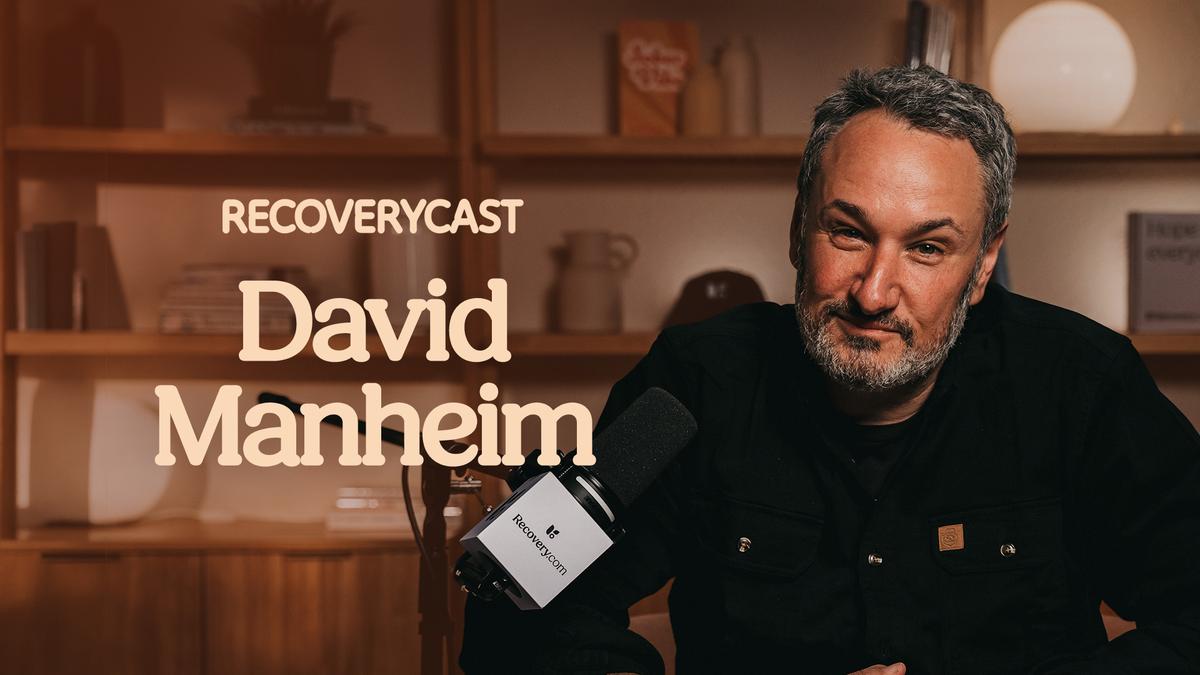
Addiction rarely looks the way people expect. It can exist alongside ambition, creativity, and success. For David Manheim, creator of the Dopey podcast, addiction didn’t just disrupt his life; it rewrote it entirely.
After two decades of heroin addiction, failed opportunities in television, and years of cycling through relapse and sobriety, David found himself at a breaking point. What followed wasn’t a sudden transformation, but a slow rebuilding rooted in accountability, connection, and storytelling.
On this episode of Recoverycast, we explore David’s journey, from early experimentation to deep addiction, from profound loss to long-term recovery. His story is raw, often humorous, and deeply human.
These are the lessons that stand out most.
1. Addiction Doesn’t Always Start the Way You Think
David didn’t begin with heroin. Like many people, his early experiences with substances felt almost ordinary, even accidental.
He recalls his first experience with alcohol as overwhelming, “I drank like 17 screwdrivers… I projectile vomited.” It wasn’t enjoyable, and it didn’t immediately signal a future addiction.
Instead, the shift came later. In college, feeling uncomfortable in his own skin, he turned to marijuana as a way to cope. What started as occasional use quickly became daily.
That transition is subtle but important. Addiction often begins as relief. It solves something before it destroys everything. For David, substances quieted anxiety and helped him feel more at ease internally and socially.
It wasn’t about chasing chaos at first. It was about feeling normal.
2. Success and Addiction Can Coexist, Until They Don’t
At one point, David was living what many would consider a dream. He was working in television, interviewing major artists, and signing contracts that felt like proof he had “made it.”
But behind the scenes, addiction was already taking over.
He admits, “I didn’t prepare for the interviews…I was high.” What looked like success from the outside was slowly unraveling on the inside.
This dual reality is common. People can function, even thrive temporarily, while struggling with substance use. But eventually, the cost becomes too high.
For David, that moment came when everything collapsed: his career, his finances, and his sense of direction. He went from working in media to not working for years.
Addiction doesn’t always destroy overnight. Sometimes it erodes quietly until there’s nothing left to hold onto.
3. A Turning Point Isn’t Always Enough
David experienced multiple “bottoms,” moments where things could have changed.
Running out of money while making a six-figure salary. Entering detox at 25. Losing professional opportunities. Each could have been a turning point.
But he puts it plainly, “I was probably 25 when I went there… and I bottomed for ten years.”
This is one of the hardest truths about addiction. A single wake-up call isn’t always enough. Change can require repeated consequences and pain, and eventually, a shift in mindset.
For David, that shift didn’t come from external consequences alone. It came from loss, shame, and self-awareness catching up all at once.
Recovery is rarely triggered by one moment. It’s built through many.
Explore Drug Addiction Treatment Centers
4. Shame Can Be Destructive, But It Can Also Spark Change
For years, David says he didn’t feel much shame about his addiction. That lack of awareness kept him stuck.
But later, things changed.
Seeing his daughter under supervised visits with his father became a defining moment. He describes realizing he was “this 37-year-old child.”
That realization didn’t immediately make him sober. But it planted a seed.
Shame is complicated in recovery. It can keep people stuck in cycles of secrecy and self-destruction. But when it shifts into clarity, it can also motivate change.
For David, it wasn’t just about what he had lost. It was about seeing himself clearly for the first time.
That clarity became the beginning of something different.
5. Relapse Isn’t Random, It’s Gradual
One of the most striking parts of David’s story is how clearly he describes relapse.
It didn’t happen all at once. It started slowly, “once a week… twice a week… and then all of a sudden you cross the threshold.”
That progression is familiar to many in recovery. The boundaries shift. The rules change. What once felt controlled becomes uncontrollable.
David even left the hospital after his daughter was born to get high. In the moment, it may have felt like a decision. In reality, it was part of a much larger pattern.
Understanding relapse as a process, not an event, is key. It allows people to recognize warning signs earlier and seek help before things escalate.
For David, relapse wasn’t a failure of willpower. It was a return to a system he hadn’t fully replaced yet.
6. Honesty Is the Foundation of Recovery
Everything changed for David when he finally got honest, not just with others, but with himself.
He describes writing a letter trying to justify smoking weed while being a good parent. In the middle of writing it, something clicked. “I saw myself doing it… and I was like, what is this?”
That moment of self-awareness led him to a meeting the next day.
From there, recovery became about action. Getting a sponsor. Working steps. Calling other people. Doing the work consistently.
He explains, “I hadn’t done anything except drugs… and I had failed. And I wanted to not fail.”
Honesty isn’t just about admitting a problem. It’s about removing the stories and justifications that keep it going.
For David, that shift made all the difference.
7. Community Can Grow From the Most Unexpected Places
What started as a simple podcast between two friends became something much bigger.
Dopey wasn’t designed to be a recovery tool. It was meant to be raw, funny, and honest. A space for “drug stories” without filters.
But that honesty resonated.
Listeners began sharing their own stories. A community formed. And after the death of David’s co-host Chris, that community became even stronger.
“They started a Dopey Nation Facebook page… now they do 25 Zooms a week. I have nothing to do with any of it.”
That kind of organic support system is powerful. It shows that connection doesn’t always come from formal treatment settings. Sometimes it grows from shared truth and vulnerability.
Recovery is often sustained through relationships. And those relationships can start anywhere.
8. Loss Is a Harsh Reminder of What’s at Stake
Chris’s death changed everything.
Addiction stopped being just stories. It became real, immediate, and irreversible.
David reflects on how multiple losses in his community shifted his perspective. Things that once seemed funny no longer were.
“What really happened was Chris wound up dying… you end up relapsing and dying.”
This is one of the hardest realities of addiction. Not everyone gets a second chance.
For David, that loss didn’t end the podcast. It transformed it. It brought depth, seriousness, and a renewed sense of purpose.
Loss can’t be undone. But it can change how someone chooses to move forward.
9. Long-Term Recovery Is Built on Daily Practice
Today, David has over a decade of sobriety. But he’s clear: nothing about it is passive.
His routine is consistent and intentional. “I pray, I exercise, I meditate, I call three alcoholics a day… I go to meetings… I sponsor people.”
It’s not about perfection. It’s about repetition.
He compares it to any other skill. The more you practice, the better you get. The less you engage, the harder things become.
Sobriety isn’t something you achieve once. It’s something you maintain daily.
And for David, staying connected to those practices is what keeps everything else stable.
David’s story is a reminder that recovery isn’t linear, and it’s rarely clean.
It’s emotional, messy, and often filled with setbacks. But it’s also possible.
The biggest takeaway isn’t just about getting sober. It’s about staying honest, staying connected, and continuing to show up, even when it’s hard.
If you found these insights helpful, listen to the full Recoverycast episode to hear David’s story in his own words. And if something in this story resonates, take a moment to reflect on where you are and what your next step might be.
Recovery starts with one honest moment.














Our Promise
How Is Recovery.com Different?
We believe everyone deserves access to accurate, unbiased information about mental health and recovery. That's why we have a comprehensive set of treatment providers and don't charge for inclusion. Any center that meets our criteria can list for free. We do not and have never accepted fees for referring someone to a particular center. Providers who advertise with us must be verified by our Research Team and we clearly mark their status as advertisers.
Our goal is to help you choose the best path for your recovery. That begins with information you can trust.