Find Treatment By
Rehabs by Location


Learn
About Us
Recovery.com combines independent research with expert guidance on addiction and mental health treatment. Our mission is to help everyone find the best path to recovery through the most comprehensive, helpful network of treatment providers worldwide.
Advisory Council
Our advisory council brings together leaders in behavioral health, technology, and business. Their diverse expertise ensures our resources and product are innovative, evidence-based, and effective. They guide our mission as accomplished individuals dedicated to improving the landscape of addiction recovery and mental wellness.
Why Did Cozz Stop Drinking? 10 Insights From His Journey Through Alcohol Addiction and Sobriety


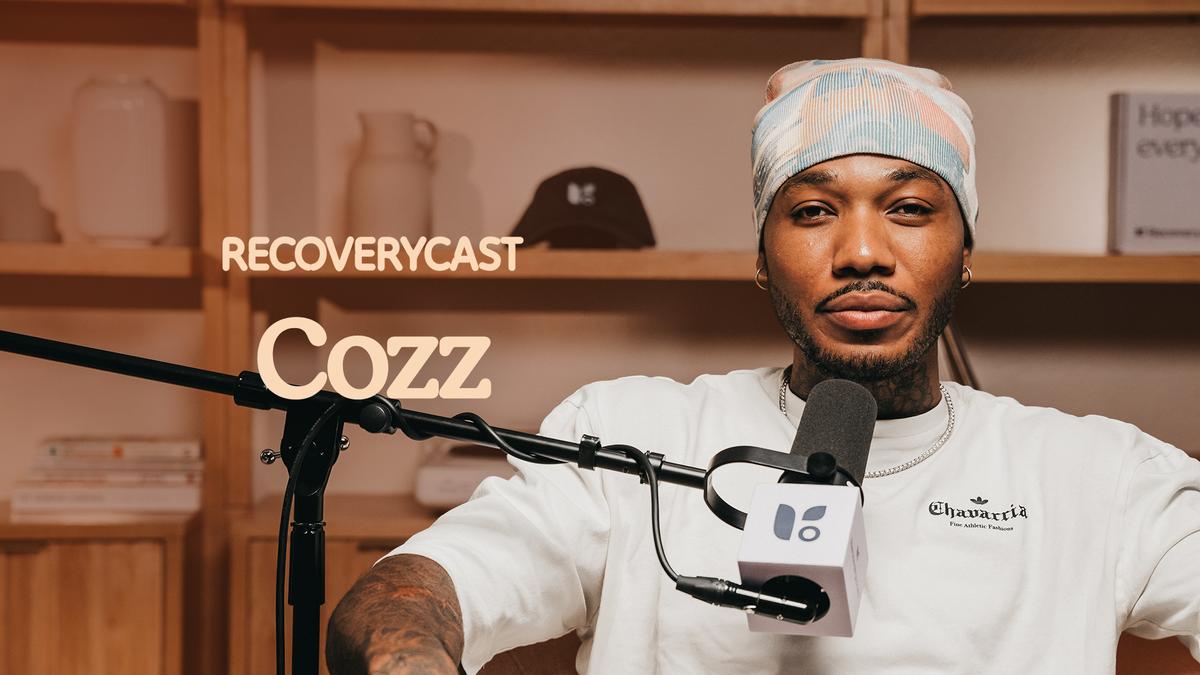
For years, Cozz believed alcohol helped him do the things that mattered most. It made socializing easier, helped him step onstage, became part of his writing process, and eventually felt inseparable from his identity as an artist.
But behind a growing music career, his drinking was taking a toll. Cozz describes multiple DUIs, damaged relationships, blacked-out nights, emotional numbness, financial struggles, and a period when alcohol had become part of nearly every aspect of his life.
In this episode of Recovery Cast, the Dreamville rapper reflects on what drew him to alcohol as a teenager, why success made it easier to overlook the consequences, the loss that finally pushed him toward sobriety, and what happened when he discovered he could create, perform, and live without drinking.
1. Why Did Cozz Start Drinking?
Cozz says he began drinking alcoholaround age 15 and quickly connected alcohol with a feeling he had rarely experienced: relief.
Growing up in South Central Los Angeles, he describes both his home and the environment around him as chaotic. At home, he remembers conflict between his parents, including verbal and physical abuse. He says he did not know what peace felt like.
Alcohol seemed to lower the walls he had built around himself. A naturally quiet and shy teenager, Cozz felt more open when he drank. Looking back, he connects that experience with anxiety and other emotions he did not yet understand.
What began as occasional weekend partying eventually became more frequent. By the time he was pursuing music seriously, drinking was no longer just something he did socially, but it had become something he felt he needed.
Alcohol Became a Way to Manage Anxiety and Self-Doubt
Cozz describes alcohol as a kind of “fuel” he used to socialize, write, record, perform, and approach women. Eventually, he says, it became part of his identity: if he had to do something that made him uncomfortable, his instinct was to drink first.
Near the end of the conversation, he connects drinking to something even deeper: difficulty trusting himself. Alcohol quieted some of the thinking and uncertainty that otherwise accompanied his decisions.
Looking back at his 15-year-old self, one of the messages he wishes he could give him is simple: trust yourself.
2. How Did Success and the Music Industry Affect Cozz’s Drinking?
Success did not make Cozz’s drinking disappear. In some ways, it made maintaining the pattern easier.
He was signed young and soon found himself touring with major artists. Alcohol was readily available, and drinking fit naturally into the touring and party environment around him.
Before one of his earliest performances, Cozz remembers taking shots because he believed he needed alcohol to get onstage. His tolerance was already high enough that he could drink and still perform well, which made it easier to believe the drinking was not interfering with his career.
That ability to continue functioning became part of the problem: visible success gave him evidence he could point to whenever the consequences of his drinking suggested otherwise.
Success Made It Easier to Believe He Was “Fine”
Cozz recalls recognizing problems with alcohol many times without being ready to change.
There were serious consequences, including multiple DUIs, angry reactions toward people he loved, and nights he could not remember. Yet his music career allowed him to rationalize what was happening.
If he was succeeding professionally, he could tell himself things could not really be that bad.
He also had youth and the image of being a rapper to fall back on. Drinking and partying could be framed as part of the lifestyle rather than evidence that something needed to change.
Explore Alcohol Treatment Centers
3. What Were the Signs That Alcohol Was Becoming a Serious Problem?
For Cozz, there was no single early warning sign. He describes years of consequences that accumulated while he continued drinking.
There were multiple DUIs. He became quick-tempered. His relationships with women, friends, and family suffered. He sometimes could not remember his nights.
Even during major career moments, he describes feeling emotionally disconnected from what was happening. Looking back, he says he was essentially moving through life on “autopilot.”
Later, he realized that some experiences that appeared exciting from the outside had barely registered emotionally because he was so numb.
Functioning Did Not Mean Everything Was Okay
One of the most striking parts of Cozz’s story is the gap between how his life looked and how he experienced it.
He could tour, perform, write music, and build a career while drinking heavily. Those accomplishments helped reinforce his belief that he was functioning.
But his relationships, emotional health, decision-making, and eventually his creative output told a different story.
During one particularly difficult period, he remembers becoming a regular at bars to the point that bartenders knew him and knew what he wanted. What might once have seemed fun began to feel disturbing. He no longer liked the person he saw himself becoming.
4. Why Did Cozz’s Drinking Get Worse During the COVID-19 Pandemic?
The pandemic removed much of the structure and momentum that had defined Cozz’s life while introducing new professional, financial, and personal stress.
He describes 2019 as a career high. He had been touring, Revenge of the Dreamers III had become a major success, and he expected to release another project.
Then COVID-19 shut things down.
Touring stopped. He says he became stuck in a record deal, music was not being released as expected, and money stopped coming in. He eventually found himself struggling financially.
Meanwhile, he continued spending significant amounts of time in the studio—and the studio was already closely associated with drinking for him.
Isolation Reinforced an Existing Drinking Routine
Cozz says he was in the studio about five days a week during this period. Because he had long associated alcohol with writing and recording, that routine gave him repeated opportunities to drink.
At the same time, he was dealing with financial pressure, a difficult breakup, uncertainty about his career, weight gain, and a lack of other things to occupy his time.
He describes this period as the point when his drinking became its worst. When asked how much he was drinking, his answer was telling: essentially, as much as he could afford.
5. What Finally Made Cozz Decide to Stop Drinking?
Cozz says many things contributed to his decision, but the death of a close friend ultimately solidified it.
The friend was also someone he drank with, but Cozz emphasizes that their relationship was much more than that. He describes him as a close friend and someone he respected.
His friend became seriously ill and died shortly afterward. For Cozz, the loss forced him to confront his own drinking differently.
He remembers thinking that he drank even more heavily than his friend did. Another person in their friend group told Cozz that, if they had expected alcohol-related problems to happen to anyone, they would have expected it to be him.
The consequences of drinking were no longer abstract.
Sobriety Became a Life-or-Death Decision
After his friend died, Cozz kept replaying the loss in his mind.
He describes the decision to stop drinking in stark terms: for him, it felt like a choice between continuing on the same path and protecting the life he still wanted to live.
There were things he wanted to accomplish. He wanted more time. That gave him a reason to keep moving forward even when early sobriety was difficult.
His story also illustrates an important limitation of personal recovery narratives: what worked for Cozz reflects his individual experience. His decision to stop drinking abruptly should not be interpreted as medical guidance for others.
6. What Was Early Sobriety Like for Cozz?
Cozz describes the beginning of sobriety as physically and emotionally difficult.
He says he stopped drinking “cold turkey” and initially struggled to get moving. He also describes being extremely irritable and difficult to be around during roughly the first couple of weeks.
Exercise was challenging at first, too. Even though he had an athletic background, returning to physical activity took time.
But instead of trying to transform every part of his life at once, Cozz began concentrating on the things he could actually influence.
He Focused on What He Could Control
There were major circumstances Cozz could not immediately change, including his record-label situation and financial problems.
He could, however, work on his physical health, mental state, and music.
So he started walking, sometimes for miles at a time, and returned to the gym. He cried during some of those walks and describes them as part of a spiritual awakening. He also wrote a significant amount of new music while walking.
Support existed around him as well. His partner at the time helped him through a period when he did not have a car, while his producer and engineer gave him opportunities to continue recording despite his financial situation.
As Cozz began noticing progress, continuing down the new path became easier. He felt better, looked better, and started seeing different parts of his life fall into place.
7. Did Cozz Lose His Creativity When He Stopped Drinking?
No. Although Cozz feared sobriety would hurt his creativity and performance, he says the opposite happened.
For years, alcohol had been woven into his creative routine. He drank while writing. He drank before recording. He drank before performing.
That history created a frightening question when he decided to stop: Would he still be good without it?
His answer now is clear. Cozz says he believes he is performing better and making the best music of his career.
Creativity Was His—Not Alcohol’s
Cozz came to see that alcohol had not created his artistic ability.
Long before drinking entered his life, he was drawing and looking for ways to express himself. He now looks back on those early interests as evidence that being an artist was already part of him.
Music also remains an emotional outlet. Even without alcohol, his love of writing has not disappeared.
In that sense, sobriety forced him to separate two things that had become intertwined: his creativity and the substance he had learned to associate with accessing it.
8. How Did Cozz Learn to Be Confident Without Alcohol?
Cozz says his confidence now comes from practice and effort rather than the temporary confidence he associated with drinking.
Alcohol once made socializing, performing, and recording feel easier. Because he relied on it so consistently, he had little evidence that he could comfortably do those things sober.
After quitting, he had to develop those abilities without alcohol.
He practiced being social. He worked on his body and mindset. Over time, situations that once seemed to require a drink became normal.
Real Confidence Came From Doing the Work
Cozz now distinguishes between the confidence he felt while drinking and the confidence he has developed in sobriety.
The earlier version depended on alcohol. The newer version is based on knowing he has repeatedly done difficult things without it.
“I had to practice being social without it,” he explains.
That shift also changed the way he thinks about his abilities. Rather than assuming alcohol gives him access to a more capable version of himself, he recognizes that the underlying talent and capacity were already his.
9. How Has Sobriety Changed Cozz’s Relationships and Emotional Life?
Cozz says sobriety has made him more considerate of both himself and the people around him.
He pays more attention to how his decisions affect others. At the same time, he has become more willing to prioritize his own well-being after realizing how long he had neglected himself.
He describes being in what he calls a “healthy, selfish place”—learning to love himself, make decisions that are right for him, and understand that becoming a healthier version of himself can also improve what he brings to his relationships.
Sobriety has also changed his emotional experience. Where alcohol once left him feeling numb and disconnected, he now describes himself as much more present and emotional—and considers that a positive change.
Recovery Has Also Meant Revisiting Family Relationships
Some of Cozz’s recovery work has involved looking at why he learned to handle difficult experiences internally.
He says he did not feel that he had a safe place to express himself growing up. When he did try, he remembers sometimes encountering criticism or anger rather than the support he needed.
His family relationships remain complicated. He describes them as one of his biggest challenges, while also emphasizing that his parents did many good things and were working with the tools they had.
More recently, he says he and his mother have had a meaningful conversation that included accountability, and he is trying to open up more while extending grace to both parents. For Cozz, healing does not require pretending the painful parts never happened: “two things can be true at once.”
10. What Does Life in Sobriety Look Like for Cozz Today?
Cozz’s sober life is quieter than the life his younger self imagined—and he has discovered that he likes it that way.
His days can be simple: going to the studio, working out, cooking, and enjoying peace and quiet.
At first, that slower pace felt boring. Now, he values it.
The contrast is especially significant because he once relied on alcohol not only to have fun but also to perform, socialize, create, and manage uncomfortable emotions. Today, he describes himself as more present and more comfortable with the person he has become.
Sobriety Has Changed What Cozz Values
Cozz has not lost his ambition or his love of music. He is excited about his work and believes he has become a better artist.
What has changed is the life surrounding that ambition.
He no longer sees chaos, partying, or drinking as necessary ingredients for creativity or success. Instead, peace has become something worth protecting.
When asked what he would tell his 15-year-old self, Cozz returns to the idea at the center of much of his story: trust yourself. Stay focused. Keep going.
Finding Peace, Presence, and Self-Trust in Sobriety
Cozz’s story is not a universal blueprint for recovery. It is one person’s account of how alcohol gradually became connected to anxiety relief, confidence, creativity, relationships, and identity—and what happened when continuing to drink no longer felt compatible with the life he wanted.
Perhaps the biggest change is not simply that Cozz stopped drinking. It is that many of the things he once believed alcohol gave him—confidence, creativity, connection, and the ability to perform—turned out to be things he could develop for himself.
Today, he describes a life with more peace, greater emotional presence, stronger self-trust, and music he believes is better than what he created while drinking.
For people questioning their own relationship with alcohol, Cozz’s experience offers perspective rather than a prescription. Recovery can look different from person to person, and appropriate professional support can help someone determine a safe path forward.
Our Promise
How Is Recovery.com Different?
We believe everyone deserves access to accurate, unbiased information about mental health and recovery. That's why we have a comprehensive set of treatment providers and don't charge for inclusion. Any center that meets our criteria can list for free. We do not and have never accepted fees for referring someone to a particular center. Providers who advertise with us must be verified by our Research Team and we clearly mark their status as advertisers.
Our goal is to help you choose the best path for your recovery. That begins with information you can trust.