Find Treatment By
Rehabs by Location


Learn
About Us
Recovery.com combines independent research with expert guidance on addiction and mental health treatment. Our mission is to help everyone find the best path to recovery through the most comprehensive, helpful network of treatment providers worldwide.
Advisory Council
Our advisory council brings together leaders in behavioral health, technology, and business. Their diverse expertise ensures our resources and product are innovative, evidence-based, and effective. They guide our mission as accomplished individuals dedicated to improving the landscape of addiction recovery and mental wellness.
Christopher French’s 7 Unexpected Lessons on Addiction Recovery, Sobriety, and Finding a Third Way


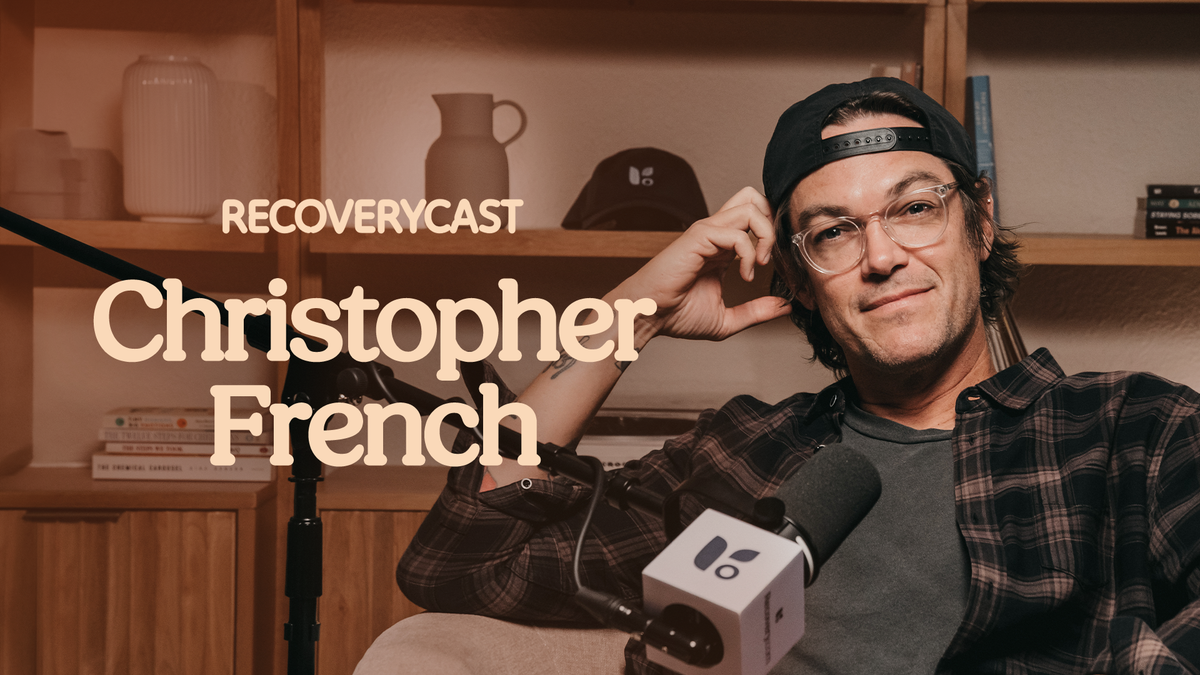
What happens when you've achieved the career you've always dreamed of, but you're still miserable?
For composer Christopher French, the answer came after years of struggling with drug and alcohol addiction. By his early 20s, he'd dropped out of high school, spent time in juvenile detention, and built a career in music. Yet despite doing what he loved, he felt more and more hopeless and isolated.
At 23, Christopher reached a breaking point. He believed he had only two options. He could continue living the way he had been or give up entirely. Then, during a late-night drive, he realized there might be a third option: asking for help.
That decision changed the course of his life.
Today, Christopher has been sober since February 2, 2007, and has built a successful career in film and television, with credits including HBO Max’s Harley Quinn, Amazon Prime’s Modern Love, and the Duplass Brothers’ feature film Unlovable. He’s also contributed to documentaries like Two If by Sea and Nureongi, as well as the feature film Acidman.
In this episode of Recoverycast, Christopher opens up about his early experiences with addiction and the unexpected ways sobriety transformed his life.
Here are seven lessons from his story.
1. Addiction Can Begin With a Feeling of Not Belonging
Christopher grew up in what he describes as a loving, supportive household in the Bay Area. Yet even as a young child, he remembers feeling fundamentally different from everyone around him.
“I always felt separate somehow. Like there was me and then there was the world.”
That feeling followed him into adolescence. Around age 11 or 12, Christopher began experimenting with drugs and alcohol alongside friends who seemed to share his sense of being outsiders.
At first, it offered a temporary escape from the discomfort he felt. But the relief never lasted. Instead, his substance use gradually created more problems, leading to behaviors he felt ashamed of and wanted to hide.
“It didn't solve my problem. But I found a way to ignore the problem.”
Looking back, Christopher describes a snowball effect. The more he used substances to escape his feelings, the more consequences accumulated, giving him even more reasons to want to escape.
His experience illustrates how substance use can become a way of coping with difficult emotions, even when it ultimately makes those feelings harder to manage.
Explore Drug Addiction Treatment Centers
2. Hitting Rock Bottom Doesn't Always Mean Losing Everything
By his teenage years, Christopher’s substance use had escalated. He skipped class often, spent nights sleeping on park benches, and eventually dropped out of school.
At 17, he was arrested after stealing from cars in a McDonald's parking lot. He spent time in juvenile detention before being sent to a behavioral modification program in Mexico, an experience he describes as traumatic.
But even those consequences weren't enough to make him stop using drugs and alcohol.
Music remained a constant throughout the chaos. Christopher received his first guitar around age 12, and playing came naturally to him. Eventually, he began building the music career he'd dreamed about since childhood.
By his early 20s, he was recording music, performing, and working professionally. From the outside, his life might have appeared relatively successful. He had an apartment and a career.
But inside he was struggling.
“I was miserable.”
Christopher describes substance use as a fog that separated him from everything else in his life. Even music, the one thing he'd always loved, couldn't provide lasting relief.
His story challenges the idea that someone must hit “rock bottom” by losing their job, home, or relationships before their addiction becomes serious enough to deserve help. Sometimes, the most significant struggles aren't visible to anyone else.
3. Recovery Can Begin When You Recognize a Third Option
At 23, Christopher reached a point where he felt completely hopeless.
He remembers driving from San Diego to Los Angeles after a party while heavily under the influence. During that drive, he experienced an unexpected realization.
Maybe there was another option.
“And that third option was to try to get help.”
Christopher remembers looking down and realizing his clothes were wet from tears. He had been crying without even noticing. The possibility of getting help had opened a door he hadn't previously considered.
The next morning, however, he reached for the whiskey bottle he kept beside his bed, just as he did every day. In that moment, he recognized that wanting to change wasn't the same as being able to do it alone.
“I can't do this without some kind of outside help.”
He opened his computer and searched for addiction support in Los Angeles. To his surprise, he found support group meetings within walking distance of his apartment.
That same day, he attended his first meeting.
Christopher’s turning point was a small decision to seek support, despite not knowing what would happen next.
For anyone struggling with addiction, his experience reminds us that you don't need to have a complete recovery plan before taking the first step.
4. Sometimes One Person Can Make All the Difference
When Christopher arrived at his first recovery meeting, he wasn't convinced he belonged there.
He sat in the back with his hood pulled up, feeling physically ill and uncomfortable. As he listened to people talk about their lives in recovery, he couldn't imagine experiencing the same freedom himself.
At the break, he planned to leave.
Then someone approached him.
What struck him wasn't anything particularly profound the man said. It was the simple act of introducing himself without expecting anything in return.
“Through the fog, I saw this outstretched hand. There was no agenda. There was just this common humanity.”
The man encouraged him to stay, and afterward, he and several friends took Christopher out to eat. They called him the next day, invited him to another meeting, and continued checking in.
Over time, those small gestures helped Christopher begin to feel connected to other people again.
He discovered a community that understood what he was experiencing without judging him for it. For someone who had spent much of his life feeling separate from the world, that connection was transformative.
His experience highlights the value of peer support in addiction recovery. Sometimes, a conversation, a shared meal, or a simple invitation can help someone feel less alone.
5. Letting Go of Shame Can Make Room for Recovery
During his first few weeks of sobriety, Christopher began reconsidering how he understood his addiction.
For years, he'd carried intense shame about his behavior and inability to control his substance use. He believed those struggles meant something was fundamentally wrong with him.
But hearing other people describe similar experiences helped him see his situation differently.
He began to understand that he'd been relying on drugs and alcohol to cope with problems he didn't know how to address.
“There wasn't something wrong with me. Maybe I'm not so separate. Maybe I'm not so alone. This is going to be okay.”
That shift brought an enormous sense of relief.
Christopher also began addressing the consequences of his past behavior. Getting sober didn't erase the harm he'd caused or the relationships he'd damaged. He still had to take responsibility and work through those experiences.
But instead of continuing to avoid them, he could finally begin making changes.
His story reflects an important part of recovery: Understanding addiction without shame doesn't mean ignoring personal responsibility. It means recognizing that change is possible while taking meaningful steps to repair what you can.
6. Getting Sober Doesn't Mean Giving Up the Life You Love
As a working musician, Christopher faced a challenge early in sobriety. How could he maintain his recovery while continuing to perform in bars, clubs, and other environments where drugs and alcohol were common?
He worried that sobriety might mean giving up the career he'd worked so hard to build.
Fortunately, he began connecting with other musicians, producers, and recording engineers who were also sober. They helped him understand that recovery didn't necessarily require abandoning his professional life.
One of the most memorable lessons came before his first sober tour when his friends told him to take his recovery seriously but to not take himself too seriously.
“Take your recovery seriously, but don't take yourself too seriously. Go have fun.”
Christopher took that advice to heart.
During his first sober tour, he found himself enjoying performances in ways he hadn't experienced before. He was more present onstage, more aware of his surroundings, and better able to appreciate the cities he visited.
He remembers arriving somewhere and wondering whether he'd ever been there before, only to discover his band had performed there several times.
Without substances clouding his experiences, he could finally enjoy the life he'd spent years building.
There were still difficult moments. During one tour in Northern Ontario, Christopher encountered people using heroin, a substance he'd previously struggled with. Rather than joining them, he recognized how much his life had changed and chose to leave that situation behind.
For Christopher, sobriety allowed him to experience his career more fully, rather than losing his identity.
His story also demonstrates why recovery is personal. Some people may need to avoid certain environments entirely, especially early on, while others can navigate them with appropriate support and boundaries.
7. Recovery Is About Learning to Participate in Change
Nearly two decades after getting sober, Christopher’s life looks dramatically different from what he imagined at 23.
He's married, has two children, and has transitioned from touring musician to composer for film and television.
At one point, he wasn't sure he'd live to see 30. Becoming a father and building a long-term career weren't possibilities he'd seriously considered.
But as his recovery progressed, new opportunities emerged.
He began composing music for commercials and television theme songs before eventually shifting his focus toward film and television scoring.
Along the way, he learned that he didn't need to know exactly what his future would look like.
When asked what advice he'd give someone who hasn't yet found their own "third option," French offered a perspective on change.
“It's not that change is possible; it's that change will happen either way.”
For Christopher, the question isn't whether life will change. It's whether we're willing to participate in that change or simply allow circumstances to carry us along.
He encourages people to remain open to new possibilities, even when they can't see the entire path ahead.
Sometimes, that means reaching out for help. Other times, it means following through on a difficult decision, trying something unfamiliar, or allowing yourself to imagine a different future.
His message is simple but powerful: You don't have to know where recovery will lead to begin moving toward it.
Finding Hope in Christopher French's Recovery Story
Christopher’s journey from teenage substance use and juvenile detention to long-term sobriety, fatherhood, and a successful music career is a reminder that life can change in ways we never expect.
His recovery began with recognizing that he needed help and finding people willing to support him.
Today, he continues to value the connections and experiences that helped him rebuild his life, while exploring new creative projects centered on curiosity, creativity, and human connection.
Listen to the full episode of Recoverycast to hear more about Christopher's addiction recovery journey, his experiences navigating sobriety in the music industry, and the people who helped him find hope.
If his story resonates with you, consider sharing it with someone who may need encouragement. And if you or someone you love is struggling with substance use, Recovery.com can help you explore addiction treatment options and find support that fits your needs.
Our Promise
How Is Recovery.com Different?
We believe everyone deserves access to accurate, unbiased information about mental health and recovery. That's why we have a comprehensive set of treatment providers and don't charge for inclusion. Any center that meets our criteria can list for free. We do not and have never accepted fees for referring someone to a particular center. Providers who advertise with us must be verified by our Research Team and we clearly mark their status as advertisers.
Our goal is to help you choose the best path for your recovery. That begins with information you can trust.