Find Treatment By
Rehabs by Location


Learn
About Us
Recovery.com combines independent research with expert guidance on addiction and mental health treatment. Our mission is to help everyone find the best path to recovery through the most comprehensive, helpful network of treatment providers worldwide.
Advisory Council
Our advisory council brings together leaders in behavioral health, technology, and business. Their diverse expertise ensures our resources and product are innovative, evidence-based, and effective. They guide our mission as accomplished individuals dedicated to improving the landscape of addiction recovery and mental wellness.
Che Jim’s 8 Powerful Lessons on Addiction Recovery, Indigenous Healing, and Finding Purpose


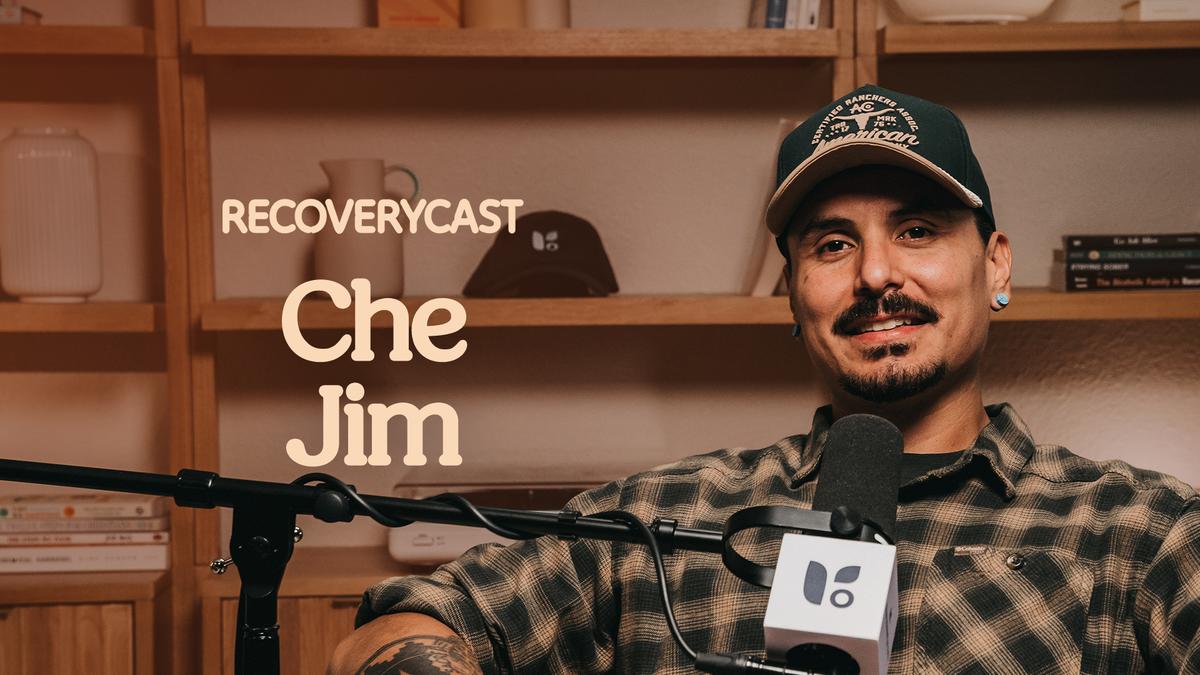
At 13 years old, Che Jim was already facing felony charges. By his early 20s, he'd dropped out of high school, struggled with alcohol addiction, and lost his place in the military. For years, he searched for a sense of belonging, often finding it in places that put his life at risk.
Today, Che is a comedian, actor, Indigenous activist, and advocate for culturally-informed addiction treatment. Known to millions online for his humor and educational content, he's also dedicated much of his life to helping others find the connection and support he once needed.
But his path to sobriety wasn't straightforward. It took a deeply personal turning point for Che to recognize how much he was struggling and begin reconnecting with the cultural traditions he'd grown up with.
In this episode of Recoverycast, Che joins the podcast to reflect on his experiences with childhood trauma, alcohol addiction, military service, and recovery. He also shares how Indigenous ceremonies, community, and service helped him rebuild his identity.
Here are eight lessons from his story.
1. The Need to Belong Can Shape the Choices We Make
Growing up on the Navajo Nation in Tuba City, Arizona, Che was a shy child who struggled with a severe stutter. He spent years in speech therapy and often felt uncomfortable expressing himself.
His childhood was also shaped by financial hardship and family instability. Although both parents were educators, the family struggled financially, especially after they separated. Che remembers relying on community donations for school supplies, clothing, and shoes.
At home, he experienced abuse from his father, something he later connected to generations of historical trauma within his family. As a child with Navajo and Latino heritage, he also struggled to feel fully accepted by either community.
That longing for acceptance eventually drew him toward older boys involved in drinking and criminal activity. They gave him responsibilities, made him feel included, and offered the brotherhood he felt was missing from his life.
Looking back, Che recognizes that his behavior wasn't simply about wanting to rebel. He was searching for connection.
"There's this constant theme throughout my life where I was constantly seeking belonging."
His experience offers an important perspective on addiction. Sometimes, the relationships and environments surrounding substance use fulfill emotional needs that a person may not know how to meet elsewhere.
2. Alcohol Addiction Can Begin Long Before Someone Recognizes the Problem
Che remembers his first experience with alcohol vividly.
He was around 12 or 13 when an older neighborhood friend brought stolen alcohol to a makeshift hangout in the woods near Flagstaff, Arizona. The group gathered around an abandoned couch, and Che drank for the first time.
What began as an attempt to fit in quickly became something more serious.
Soon, he was stealing alcohol himself and participating in increasingly risky activities. By 13, he had been arrested and faced multiple criminal charges following a break-in.
One detail from his arrest captures how much he wanted to appear tough. When an officer offered him a choice between metal handcuffs and restraints, Che chose the metal ones because his friends were watching.
Even then, his concern was how others perceived him.
His alcohol use continued through adolescence. He eventually dropped out of high school despite having opportunities to attend college on football scholarships.
Che's story illustrates how early substance use can become intertwined with identity, peer relationships, and unresolved emotional pain. What initially feels like acceptance can gradually lead someone further from the life they want.
3. Changing Your Environment Doesn't Always Resolve the Pain Beneath Addiction
After Che's early legal troubles, his mother moved him from Arizona to Michigan, hoping a different environment would help him avoid further trouble.
But his drinking continued.
At 17, he felt increasingly isolated. He describes living in a predominantly white community, struggling with substance use, and feeling that he had no one to rely on.
Eventually, he enlisted in the military, partly because he hoped to find the camaraderie and masculine connection he'd been searching for since childhood.
Instead, he encountered another environment where heavy drinking was common. His alcohol use escalated, and he began experiencing frequent blackouts.
Che was eventually referred to the Army Substance Abuse Program (ASAP), but he struggled to complete treatment. His continued drinking ultimately contributed to his separation from military service.
Explore Alcohol Treatment Centers
Throughout these experiences, he encountered serious violence. He recalls being stabbed twice, witnessing a shooting as a teenager, and losing friends to violence.
For Che, changing locations and joining new groups hadn't addressed the deeper feelings of fear and disconnection that followed him.
Years later, therapy helped him better understand those experiences and the emotional needs influencing his decisions.
His story is a reminder that addiction recovery can involve more than stopping substance use. For some people, understanding past experiences and building a greater sense of safety are also important parts of moving forward.
4. Recognizing You Need Help Can Be a Powerful Turning Point
By his early 20s, Che's drinking had become so severe that even his friends began distancing themselves.
He remembers sitting alone in his military barracks, realizing that people weren't answering his calls or inviting him to spend time together.
For someone who had spent his life searching for belonging, the isolation was especially painful.
One day, he looked at himself in the mirror and admitted something he'd been afraid to acknowledge: He couldn't stop drinking on his own.
Still, he continued drinking. After a particularly difficult three-day period involving alcohol and other substances, he woke up with almost no memory of what had happened.
When he entered the common area, he discovered something unexpected.
He had carefully arranged his Indigenous ceremonial belongings on a blanket, including an eagle feather, drum, and ceremonial pipe. He had no memory of doing it.
Che interpreted the arrangement as a message from himself, a reminder of the spiritual and cultural connections he'd neglected.
He describes the moment as one of the most significant turning points of his life.
Overwhelmed with emotion, he went outside and prayed for another chance.
"I can't stop without help, so I need help.”
According to Che, that was the last day he drank alcohol.
His experience was deeply personal, and recovery doesn't happen the same way for everyone. Many people benefit from ongoing professional treatment, medication, peer support, or a combination of approaches. For people who have developed physical dependence on alcohol, stopping suddenly can also be medically dangerous and may necessitate medical detox to ensure comfort and safety.
What stands out about Che's turning point is his willingness to recognize that something needed to change.
5. Reconnecting With Indigenous Culture Helped Him Find Belonging in Recovery
After he stopped drinking, Che knew he needed to rebuild his life.
He remembered lessons from his earlier treatment experience, particularly the importance of avoiding environments and relationships that encouraged his substance use.
But he also began thinking about what he wanted to bring back into his life.
The answer was his Indigenous heritage.
Growing up, Che had access to Navajo language, ceremonies, elders, and cultural traditions. Although these had always been part of his upbringing, he hadn't fully appreciated their importance.
During recovery, he recognized something meaningful. When he attended ceremonies or powwows, he didn't experience the same desire to drink.
Those were the places where he felt accepted without needing to prove himself.
Che began reconnecting with his ceremonial family, attending regular gatherings, volunteering at community events, and participating more actively in cultural traditions.
He also found similarities between his cultural practices and elements of 12-Step recovery and Alcoholics Anonymous (AA), including reflection, accountability, community support, and service to others.
For Che, Indigenous healing wasn't something separate from recovery. It was central to how he understood himself and built a life without alcohol.
His experience highlights the value of culturally responsive addiction treatment. People may benefit from approaches that respect their identities and incorporate meaningful traditions alongside appropriate clinical care.
6. Helping Others Can Give Recovery a Greater Sense of Purpose
As Che became more involved in his community, his recovery developed into something larger than his personal journey.
He returned to Indigenous activism, a commitment that had been part of his upbringing.
One of his earliest memories involved attending a gathering as a child to support Navajo families resisting forced relocation. He remembers witnessing the threat of police intervention and later learning that structures built for the gathering had been destroyed.
Years later, those memories influenced his decision to participate in the Standing Rock protests against the Dakota Access Pipeline. He spent approximately six months there, connecting his advocacy to his commitment to Indigenous communities.
Che also began working with young Indigenous people involved in the justice system. At Washington's Green Hill juvenile facility, he helped provide cultural programming, ceremonies, and language education.
He recognized himself in many of the young people he encountered.
As a child, he had desperately wanted an older brother or mentor who could offer guidance. Now, he had an opportunity to become that person for someone else.
"Be the answer to somebody else's prayer.”
For Che, that means offering compassion while also helping people take meaningful steps toward change.
He emphasizes that encouragement alone isn't always enough. People also need opportunities, resources, and support to act on their goals.
His approach reflects an important lesson about recovery. Finding purpose through service can strengthen connection and create opportunities to support others who are facing similar challenges.
7. Healing Takes More Than Hope. It Takes Action.
Che believes deeply in the power of prayer, ceremony, and Indigenous cultural traditions. These practices have played an important role in his recovery, helping him reconnect with his identity and find a sense of belonging. But he also emphasizes that healing requires a willingness to take action.
“It'd be really nice if we could just simply pray our problems away. It'd be really nice to wish them away.”
But as Che explains, meaningful change also requires people to participate in their own recovery.
He compares the process to training for a marathon. Someone can spend all day hoping to cross the finish line, but eventually, they have to get up and start moving. Recovery can work similarly. Wanting things to change is an important beginning, but progress often comes through the choices people make along the way.
Che understands how difficult that first step can be. He remembers feeling stuck in his own life, unsure how to move forward. Sometimes, he says, a little encouragement from someone else can help a person recognize what they're capable of accomplishing.
His message isn't that people have to recover on their own. His story demonstrates how much community, cultural connection, and support can contribute to healing. Rather, he encourages people to recognize their own ability to participate in that process, even when progress feels slow.
For Che, recovery involves both accepting support and believing in your capacity to change. As he puts it, “You have the power.”
8. Recovery Can Help You Reclaim Your Identity and Believe in Yourself
Today, Che channels his experiences into his work at Thundermaker Wellness Center in Prescott, Arizona, where he serves as chief marketing officer.
The center incorporates Indigenous cultural practices into addiction treatment, including access to ceremony, language education, and community-based activities. Che describes an approach that also includes therapeutic services and family involvement.
A particularly meaningful part of the program is its emphasis on kinship.
Rather than referring to people receiving care as patients or clients, Che explains that the center calls them "relatives."
The language reflects a philosophy that has guided his own recovery: People deserve to feel connected, supported, and valued.
Che also emphasizes the importance of involving families and communities in the recovery process when appropriate. He recognizes that returning to an environment where substance use and unresolved challenges remain can make recovery more difficult.
When asked what advice he would give his younger self, Che doesn't hesitate. "Believe in yourself."
He remembers once having such little confidence that he doubted whether he was capable of learning to drive. Today, he takes pride in the person he's become and the work he's able to do.
Despite dropping out of high school, experiencing addiction, and facing significant setbacks, he's built a career centered on advocacy, storytelling, and helping others.
His message isn't that recovery erases the past. It's that past experiences don't have to determine someone's future.
As Che puts it, "Believe in the power of you."
Finding Belonging, Healing, and Purpose in Recovery
Che Jim's journey demonstrates that recovery can take different forms. For Che, cultural traditions and community service became powerful sources of connection, while personal reflection and therapy helped him understand his past.
Today, he's using those experiences to help others recognize their own potential.
Listen to the full episode of Recoverycast to hear more about Che's journey, his work in Indigenous healing, and the lessons he's learned along the way. If his story resonates with you, consider sharing it with someone who may benefit from hearing it.
And for anyone exploring addiction treatment, Recovery.com can help you find care that aligns with your needs, preferences, and recovery goals.
Our Promise
How Is Recovery.com Different?
We believe everyone deserves access to accurate, unbiased information about mental health and recovery. That's why we have a comprehensive set of treatment providers and don't charge for inclusion. Any center that meets our criteria can list for free. We do not and have never accepted fees for referring someone to a particular center. Providers who advertise with us must be verified by our Research Team and we clearly mark their status as advertisers.
Our goal is to help you choose the best path for your recovery. That begins with information you can trust.