Find Treatment By
Rehabs by Location


Learn
About Us
Recovery.com combines independent research with expert guidance on addiction and mental health treatment. Our mission is to help everyone find the best path to recovery through the most comprehensive, helpful network of treatment providers worldwide.
Advisory Council
Our advisory council brings together leaders in behavioral health, technology, and business. Their diverse expertise ensures our resources and product are innovative, evidence-based, and effective. They guide our mission as accomplished individuals dedicated to improving the landscape of addiction recovery and mental wellness.
Casey Johnson’s 7 Candid Lessons on Sobriety, Reality TV Fame, and Rebuilding Your Life


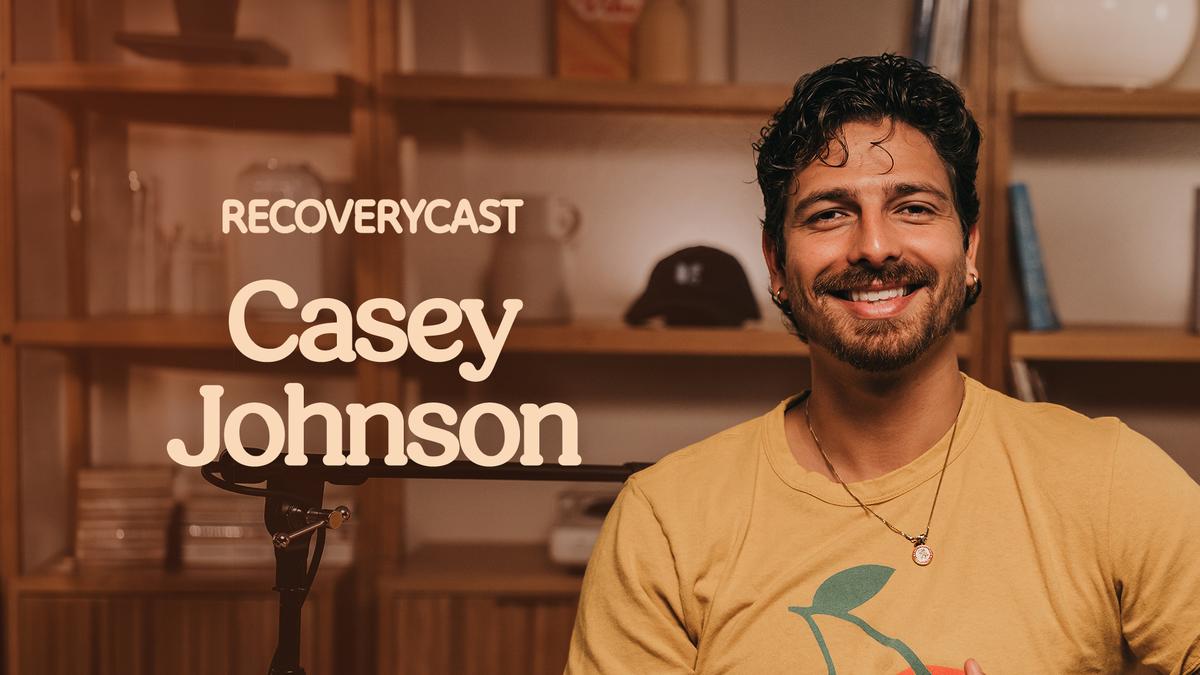
For years, Casey Johnson looked like someone who had it all figured out.
He was the life of the party, a reality TV personality known from FBoy Island, surrounded by attention, opportunities, and social media followers. From the outside, it appeared he was living the dream.
Behind the scenes, however, a different story was unfolding.
Alcohol had become more than a social activity. It had become a coping mechanism for anxiety, panic attacks, loneliness, and the constant noise inside his head. What started as typical college partying gradually evolved into a cycle of drinking, cocaine use, and increasingly destructive behavior.
In this episode of Recoverycast, Casey shares the raw truth about addiction, mental health, reality television, and the moment he realized something had to change.
His story is honest, funny, heartbreaking, and ultimately hopeful.
Here are seven of the biggest lessons from Casey’s recovery journey.
1. What Feels Like Confidence May Actually Be a Crutch
When Casey started drinking alcohol in college, it felt like a solution.
He describes himself as someone who was always thinking, always analyzing, always carrying dozens of tabs open in his mind. Alcohol quieted that noise.
For the first time, he felt present. He could relax and connect with people. He could stop questioning everything. That relief became incredibly powerful.
The problem was that he slowly began to believe alcohol wasn't just helping him socialize, it was creating the version of himself people liked best.
Over time, Casey became convinced that alcohol made him funnier, more charismatic, and more confident. The sober version of himself seemed inadequate by comparison.
Looking back, he sees how dangerous that belief became. The confidence was never inside the alcohol. It was always inside him.
The alcohol simply convinced him otherwise.
2. Using Substances to Manage Anxiety Creates a Dangerous Cycle
A major turning point came after Casey experienced a severe panic attack.
What started as an ordinary day quickly spiraled into overwhelming fear and physical symptoms that left him convinced something was seriously wrong.
Like many people struggling with anxiety, he discovered something that seemed to help immediately.
Alcohol.
When he drank, the panic subsided, and the anxiety softened. The racing thoughts slowed down.
At first, it felt like he had found the answer. But what felt like a solution slowly became a dependency.
Instead of addressing the underlying anxiety, Casey relied on alcohol whenever uncomfortable emotions surfaced. Presentations, social situations, uncertainty, fear, stress. All of it became easier to manage with a drink.
The short-term relief came with long-term consequences. What started as self-medication eventually became self-destruction.
Explore Drug Addiction Treatment Centers
3. Addiction Can Hide in Plain Sight
One of the most powerful parts of Casey's story is how normal his behavior seemed at first.
College drinking culture encouraged binge drinking.
Friends were partying. Athletes were partying. Everyone around him appeared to be doing the same thing.
That made it difficult to recognize when his relationship with alcohol had crossed a line.
Even when concerned friends and family members started raising questions, it was easy to justify.
After all, he was young. He was still functioning and still showing up. But addiction doesn't always look like what people expect.
Many people imagine rock bottom as arrests, lost jobs, or dramatic public consequences. Casey's experience highlights a different reality.
Sometimes addiction looks like slowly becoming disconnected from yourself while everyone around you assumes you're just having fun.
The danger is that by the time the warning signs become obvious, the habits are already deeply ingrained.
4. Success and Fame Don't Fix Internal Struggles
After appearing on FBoy Island, Casey's life changed quickly.
He gained followers. He earned money. People recognized him in public.
For a while, it felt exciting. This was the attention he had always wanted.
But fame didn't solve the anxiety. It didn't improve his mental health, and it didn't create meaningful relationships. In many ways, it made things worse.
With more freedom, more money, and fewer responsibilities, Casey had even more opportunities to drink and use drugs.
He describes those years as a blur of partying, reality television appearances, and chasing temporary highs.
From the outside, it may have looked successful, but internally, he was becoming increasingly isolated.
His story serves as a powerful reminder that external achievements rarely heal internal wounds. No amount of attention can replace genuine self-worth.
5. Rock Bottom Isn't Always One Dramatic Moment
Many recovery stories include a single defining moment.
For Casey, it was more subtle.
On his 27th birthday, he spent the day drinking and using cocaine with his drug dealer.
As he reflects on that day, he doesn't describe it with anger. He describes it as heartbreaking.
There were no close friends or meaningful relationships. No sense of purpose. Just a growing awareness that the life he had built wasn't sustainable.
In that moment, he realized he was standing at a crossroads. Either things needed to change, or they were going to continue getting worse.
What makes this moment so powerful is its honesty. Rock bottom isn't always dramatic. Sometimes it's simply recognizing that the life you're living no longer matches the life you want.
6. Recovery Begins When Your Perspective Changes
Casey had tried to quit drinking before.
The difference this time wasn't willpower. It was a mindset.
After reaching out to comedian Nikki Glaser, who had previously offered support if he ever wanted to get sober, Casey was introduced to a book that would change his life.
The book challenged how he viewed alcohol. Instead of seeing sobriety as deprivation, he began seeing alcohol for what it was actually costing him.
His health. His relationships. His opportunities. His peace of mind.
For years, he believed sobriety meant giving something up. The book helped him realize sobriety was actually giving something back. That shift changed everything.
Rather than focusing on what he couldn't have, he started focusing on everything he stood to gain.
That perspective became the foundation of lasting recovery.
7. Meaning and Connection Return in Sobriety
One of the most beautiful parts of Casey's story is what happened after he stopped drinking.
Not immediately, but gradually.
He started feeling better physically. His energy returned, and his anxiety became more manageable. Most importantly, he began rebuilding meaningful relationships.
He reconnected with family and formed authentic friendships. He became capable of showing up fully for other people.
Today, Casey is engaged, preparing for marriage, building a career, and using his platform to help others.
He speaks openly about sobriety, mental health, relationships, and personal growth. The thing he once searched for through alcohol eventually arrived through recovery: purpose.
As he explains, meaning isn't something you find. It's something you create. And sobriety gave him the clarity to start creating it.
Casey’s recovery story is a reminder that addiction doesn't discriminate.
It can affect people who appear successful, popular, and thriving on the outside.
His journey from reality TV fame and substance use to sobriety, healthy relationships, and renewed purpose demonstrates what becomes possible when someone decides to confront the issues beneath the drinking.
Perhaps the most powerful message from Casey's story is also the simplest:
You are not alone.
Whether you're struggling with alcohol, anxiety, mental health challenges, or simply feeling stuck, change is possible.
Recovery starts with one honest conversation, one decision, and one day at a time.
To hear Casey's full story, listen to this episode of Recoverycast, share it with someone who may need it, and take a moment to reflect on what might be holding you back from becoming the best version of yourself.
Our Promise
How Is Recovery.com Different?
We believe everyone deserves access to accurate, unbiased information about mental health and recovery. That's why we have a comprehensive set of treatment providers and don't charge for inclusion. Any center that meets our criteria can list for free. We do not and have never accepted fees for referring someone to a particular center. Providers who advertise with us must be verified by our Research Team and we clearly mark their status as advertisers.
Our goal is to help you choose the best path for your recovery. That begins with information you can trust.