Find Treatment By
Rehabs by Location


Find Treatment By
Learn
About Us
Recovery.com combines independent research with expert guidance on addiction and mental health treatment. Our mission is to help everyone find the best path to recovery through the most comprehensive, helpful network of treatment providers worldwide.
Advisory Council
Our advisory council brings together leaders in behavioral health, technology, and business. Their diverse expertise ensures our resources and product are innovative, evidence-based, and effective. They guide our mission as accomplished individuals dedicated to improving the landscape of addiction recovery and mental wellness.
Carl Radke’s 6 Vulnerable Lessons on Addiction, Grief, and Choosing Sobriety in the Spotlight


Kayla Currier is a Senior Web Content Editor at Recovery.com. She received her B.A. in Journalism and Media Studies at the University of South Florida where she served as a contributing writer and editor for the Crow’s Nest.
Kayla Currier is a Senior Web Content Editor at Recovery.com. She received her B.A. in Journalism and Media Studies at the University of South Florida where she served as a contributing writer and editor for the Crow’s Nest.
Table of Contents
- 1. Addiction Can Hide in Plain Sight When Life Looks Successful
- 2. Family Trauma Shapes How We Understand Substance Use
- 3. Comparison Is One of Addiction’s Most Powerful Defenses
- 4. Grief Without Support Can Accelerate Addiction
- 5. Rock Bottom Isn’t Always One Moment; It’s a Realization
- 6. Community Turns Recovery From Survival Into Living
Carl Radke has lived much of his adult life in the public eye. As a longtime cast member on Bravo’s Summer House, viewers have watched him navigate friendships, career pressures, partying culture, and personal loss on national television. But behind the cameras, Carl was quietly unraveling for years.
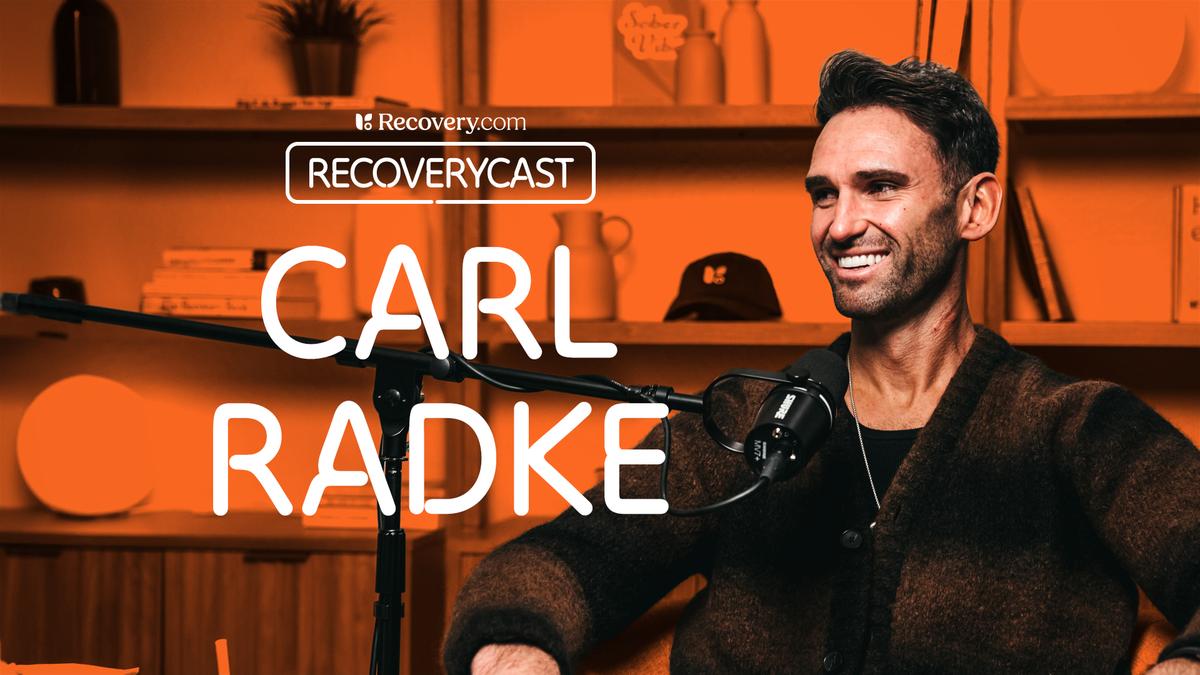
On this episode of Recoverycast, Carl shares the full story of his relationship with substances, his complicated family dynamics, the devastating loss of his brother to overdose, and the moment he realized he couldn’t survive another day the way he was living.
What makes Carl’s story so powerful isn’t fame or visibility, but his willingness to look at the ways he minimized his own addiction, misunderstood mental illness, and used grief as fuel for self-destruction. His recovery journey shows what happens when denial gives way to accountability, and when connection replaces isolation.
1. Addiction Can Hide in Plain Sight When Life Looks Successful
For years, Carl believed he was different. He was holding down jobs, hitting career milestones, showing up on time, and performing well on the outside. Compared to others in his life who were struggling more visibly, his drinking and cocaine use felt manageable.
Carl described years of cocaine fueled weekends in New York that didn’t immediately derail his professional life. He framed his behavior as controlled, even disciplined. He wasn’t missing work. He wasn’t failing out of school. In his mind, addiction looked like something else.
That belief allowed his substance use to grow quietly. What started as partying became routine. What felt social became isolating. He admitted that people who truly knew him understood how much he was using, even if the public version of Carl appeared functional.
This is a common trap. Addiction doesn’t always look chaotic from the outside. Many people continue to succeed while slowly harming themselves. Carl’s story reminds us that functioning doesn’t mean healthy, and success doesn’t cancel out addiction.
2. Family Trauma Shapes How We Understand Substance Use
Carl grew up in a home where alcohol was ever-present. Beer was a part of celebrations, family gatherings, and sports nights. As a child, alcohol felt normal, social, and expected.
At the same time, he was living alongside his older brother, who struggled with addiction and mental illness from a young age. Sharing a bedroom meant Carl had a front row seat to the chaos and unpredictability. Arrests, police at the house, and late-night disturbances became part of his adolescence.
As a child, Carl didn’t have the language for addiction or mental health. He saw behavior, not illness. He felt anger, fear, and resentment. He admits that for many years, he viewed his brother as aggressive or difficult, not sick.
It was only after his own sobriety that Carl could look back and understand how deeply trauma shaped both of their lives. Growing up around addiction impacts how people normalize substance use, how they judge others, and how they understand themselves. Healing often begins with reexamining those early stories.
Explore Drug Addiction Treatment Centers
3. Comparison Is One of Addiction’s Most Powerful Defenses
One of Carl’s most honest admissions was how often he compared his addiction to others. He convinced himself that alcohol and cocaine were different from heroin or meth. In his mind, his choices were more acceptable, more social, more controlled.
He openly acknowledged that he judged people who used other substances, including his own brother. That judgment created emotional distance and allowed Carl to avoid examining his own behavior.
This mindset did real damage. Carl speaks with deep regret about publicly minimizing his brother’s addiction on television, comments that caused lasting harm to their relationship. The shame he carries from that moment remains a powerful motivator in his recovery.
Comparison delays accountability. Addiction thrives when people rank suffering instead of recognizing patterns. Carl’s story is a reminder that pain isn’t a competition, and addiction doesn’t require a specific substance to be real.
4. Grief Without Support Can Accelerate Addiction
When Carl’s brother died from an overdose, the loss was devastating and public. Carl received the call while filming, with cameras present. His grief unfolded under scrutiny, replayed months later on television.
Instead of slowing down, he spiraled. He drank more. He used cocaine alone. He isolated himself. He describes grief as becoming permission to self-destruct, a justification for behavior he already knew was dangerous.
Carl shared that after his brother’s death, he spent nights alone in his apartment, drinking and using, sending erratic messages, cycling through anger, sadness, and numbness. But the substances only intensified the pain he was feeling.
Unprocessed grief often amplifies addiction. Loss can strip away coping mechanisms and expose emotional wounds. Carl’s experience underscores how critical support is during grief, especially for people already vulnerable to substance use.
5. Rock Bottom Isn’t Always One Moment; It’s a Realization
Carl’s turning point wasn’t the result of a single dramatic event. It was the realization that he was afraid, exhausted, and wasn’t going to survive much longer.
In January 2021, after months of isolation and heavy use, Carl woke up to missed calls from people he had terrified with suicidal statements. His body felt broken. His mind felt trapped. He realized that continuing would lead to death.
That clarity changed everything. Carl reached out to a sober friend, asked for help, and followed directions even when they felt uncomfortable. He committed to meetings, daily accountability, and honest self-examination.
Rock bottom is often described as losing everything. For Carl, it was the moment he recognized he had already lost himself. Recovery began when he chose to stop running from that truth.
6. Community Turns Recovery From Survival Into Living
Carl entered recovery with assumptions about what it would look like. He expected to feel isolated and shameful. Instead, he found connection, laughter, and support.
Walking into recovery meetings challenged every stereotype he held. People welcomed him. They shared openly. They understood him. For the first time, he felt seen without judgment or performance.
Community became the foundation of his sobriety. He credits daily routines, meditation, movement, and one honest relationship as essential tools. Most importantly, he learned that sobriety isn’t about white-knuckling alone. It’s about staying connected.
Today, Carl channels that lesson into his work, advocacy, and relationships. He believes recovery thrives where honesty and community meet.
Carl’s journey shows how addiction can coexist with success, how grief can deepen wounds, and how recovery requires both courage and connection.
The biggest lesson from his conversation is simple but profound. You don’t have to do this alone. Whether you’re questioning your relationship with substances, navigating grief, or supporting someone you love, help is within reach.
To hear Carl tell his story in his own words, listen to the full episode of Recoverycast. If this conversation resonated with you, consider sharing it with someone who might need it, or take a moment to reflect on what honesty might look like in your own life.
Recovery begins with a single step, and sometimes, that step is simply listening.
Our Promise
How Is Recovery.com Different?
We believe everyone deserves access to accurate, unbiased information about mental health and recovery. That's why we have a comprehensive set of treatment providers and don't charge for inclusion. Any center that meets our criteria can list for free. We do not and have never accepted fees for referring someone to a particular center. Providers who advertise with us must be verified by our Research Team and we clearly mark their status as advertisers.
Our goal is to help you choose the best path for your recovery. That begins with information you can trust.