Find Treatment By
Rehabs by Location


Learn
About Us
Recovery.com combines independent research with expert guidance on addiction and mental health treatment. Our mission is to help everyone find the best path to recovery through the most comprehensive, helpful network of treatment providers worldwide.
Advisory Council
Our advisory council brings together leaders in behavioral health, technology, and business. Their diverse expertise ensures our resources and product are innovative, evidence-based, and effective. They guide our mission as accomplished individuals dedicated to improving the landscape of addiction recovery and mental wellness.
Can Somatic Therapy Help Trauma? 10 Expert Answers to the Internet’s Most Searched Somatic Therapy Questions


It can be hard to know exactly where your reactions come from and still feel powerless to change them. You may recognize that your anxiety is tied to past experiences, or understand why conflict makes you shut down, closeness feels difficult, or crowded rooms leave you on edge. But in the moment, your body can react before your logical mind has a chance to catch up. Somatic therapy is designed to help bridge that gap.
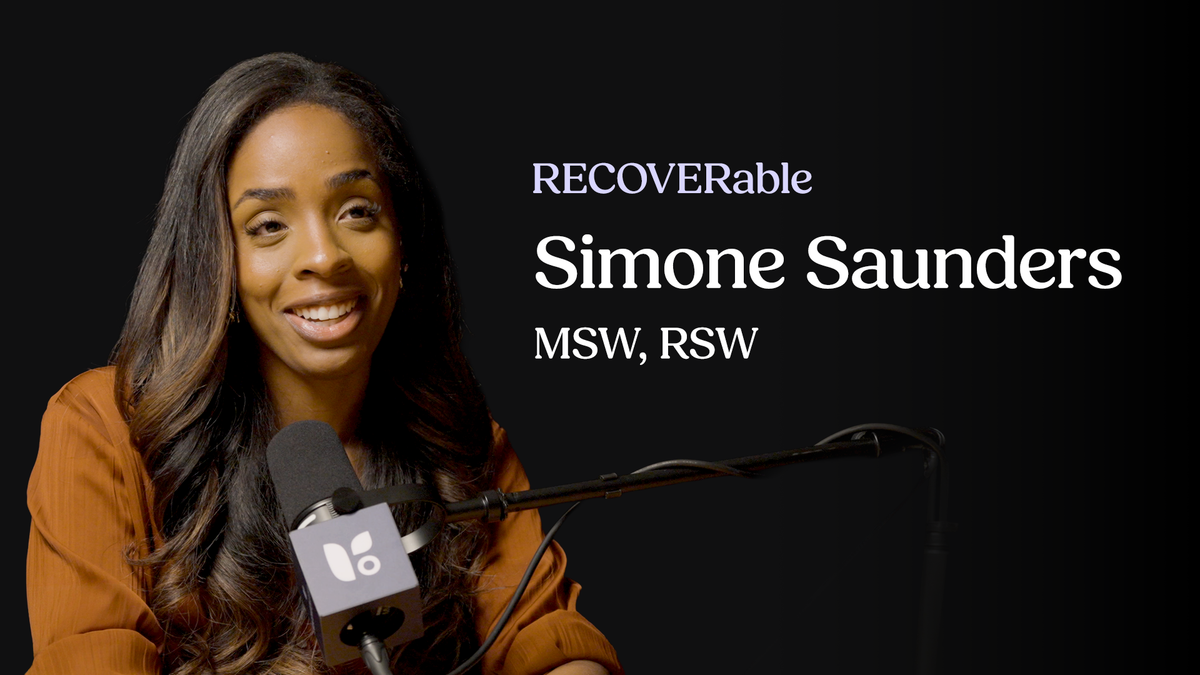
In this episode of RECOVERable, trauma therapist and author Simone Saunders talks with host Terry McGuire about what somatic therapy for trauma really is, what it is not, and why it can be helpful for people who feel like they have done plenty of thinking and talking but are still stuck. They also sort through the social media hype around “releasing trauma” and offer a more realistic, gentler picture of healing.
Here are 10 expert answers to common questions about somatic therapy, trauma, and the mind-body connection.
1. What Is Somatic Therapy?
It helps you listen to what your body is trying to tell you.
Somatic therapy is a body-based approach to mental health care that recognizes that stress, anxiety, and difficult experiences can affect more than your thoughts.1 It is not solely about addressing what happened to you or how you make sense of it, but instead, it also allows for a deeper understanding of what happens in your body when something feels stressful, scary, uncomfortable, or familiar.
“Somatic therapy addresses the connection between the mind and body.”
For example, you may walk into a party and think, “Everyone is looking at me.” But, your body may be saying something, too. Your heart might speed up, your palms may sweat, or you may suddenly want to stand in the corner and disappear. Somatic therapy gets curious about both parts of that experience.
Through somatic therapy, you will talk about your experiences, but you will also be invited to start noticing what is going on physically, such as noticing your breathing, your posture, tension in your shoulders, a knot in your stomach, and so on.
Explore Somatic Therapy Treatment Centers
2. Is Somatic Therapy Just Breathing Exercises or Relaxation?
Breathing may be part of it, but there is much more to it.
While some somatic therapy techniques often involve deep breathing, yoga poses, or guided relaxation, Saunders explains that it goes much deeper than that. While those things are helpful, somatic therapy also looks at how your nervous system responds to stress, relationships, memories, and the demands of everyday life.
“Our nervous system sort of runs the show in the background. Regardless of whether we are consciously aware of it, that’s happening. When we’re more aware of how our nervous system feels and how we experience certain people and environments, it allows us to eventually make more conscious choices.”
There is also plenty of talking. A somatic therapy session may begin much like other forms of therapy sessions, where you may talk about your week, a hard conversation, a conflict, or something that has been weighing on you. The difference is that the therapist may slow down and ask what is happening in your body while you tell the story.
The idea is to become more familiar with your own signals so you can better understand what you need and have more say in how you respond, rather than try to learn how to calm down on command.
3. Do You Have to Relive Trauma in Somatic Therapy?
No, the work should move at a pace that feels manageable.
A lot of people are understandably nervous about trauma therapy. They worry they will be pushed to revisit painful memories before they are ready or forced to feel emotions they have spent years trying to avoid.
Saunders says that is not the goal. A therapist’s job is to pace the process so that a person does not become overwhelmed or flooded by what is coming up. There is no prize for pushing yourself past your limit.2
“You don’t want to end up in a situation where you end up flooding yourself, where you end up overwhelming your nervous system because you have tried a technique that your nervous system maybe isn’t ready for.”
Sometimes the work may mean talking about a memory. Other times, it may mean pausing to notice what happens in the present moment when a certain topic comes up. It can also mean building trust, taking breaks, and learning what helps you feel grounded before going any deeper.
4. Does Somatic Therapy Involve Physical Touch?
Not always, and you should always know what to expect.
The word “somatic” can make people wonder whether therapy will involve touch. Saunders explains that every therapist works differently. Some may incorporate touch into their approach, while others, including Saunders, may use it rarely or not at all.
“I very rarely involve any touch in my practice. Some therapists might in theirs. But, I think the common misconception is that we’re just going to be deep breathing together for an hour.”
If a therapist does use touch, it should be openly discussed and fully consensual. You should never feel surprised, pressured, or unsure about what is happening in a session.
Somatic work can happen without any touch at all. It may simply involve noticing your breath, your body language, where you hold tension, or what changes in your body as you talk about certain experiences.
5. What Does It Mean When People Say “The Body Holds Trauma”?
Sometimes your body reacts before your mind has caught up.
“The body holds trauma” can sound a little vague or even dramatic, but Saunders explains it in a practical way. Often, people mean that difficult experiences can show up later through stress responses, physical tension, and the ways we move through the world.
Someone who grew up feeling like it was unsafe to speak up may notice their jaw tighten or shoulders rise during conflict. They may have a fast heartbeat when they need to share an opinion or feel themselves getting smaller, quieter, or more agreeable in the room.
“Your nervous system doesn’t necessarily just age with you. Just because you’re now 40 years old doesn’t mean that your system is necessarily caught up.”
Not all physical symptoms associated with trauma are always trauma-related, and some deserve real medical attention.3 But, Saunders encourages people to stay curious. If something feels off, it can be helpful to talk with a medical provider and, when appropriate, a therapist, too.
6. Can Trauma Affect Everyday Relationships and Behavior?
Yes, often in ways that once helped you feel safe.
Trauma does not always look like a flashback or an obvious crisis. It can show up in the smaller moments, like how quickly you become irritated, how hard it is to trust someone, whether you speak up for yourself, or how close you let people get.
“Sometimes it’s, ‘I’m really shy because I was taught that I don’t deserve to take up space.’ Other times, it’s, ‘I’m just a shy person, and that’s just who I am.’ Being able to differentiate those things allows us to have a lot more agency and a lot more empowerment.”
Saunders calls many of these responses “overdeveloped tools.” In other words, a coping pattern may have made sense at one point in your life. Avoiding closeness, overthinking, people-pleasing, staying fiercely independent, or disconnecting from your feelings may have helped you get through something hard.
The point is not to judge those patterns or label them as bad. It is to understand what they have been doing for you and to decide whether they are still helping you build the life and relationships you want.
7. What Happens in a Somatic Therapy Session?
You talk, slow down, and notice what is happening underneath the story.
A somatic therapy session may feel more familiar than you expect. You may talk about something that happened that week, a relationship issue, a stressful moment, or a pattern you want to understand better.
“You can intellectually understand something and understand maybe where it came from, your reactions, why you experienced that, the impact that it had on you. But, unless you’re able to tap into your felt sense, the sensations and emotions that you’re experiencing in your body, then it’s really hard to make any meaningful change.”
As you talk, the therapist may pay attention to changes in your breathing, body language, facial expression, fidgeting, or tension. They may gently pause and ask, “What are you noticing right now?” or “What happens in your body when you talk about that?”
Early sessions are often about building trust and helping you understand how the therapist works. Saunders says consent matters here, too. The therapist should not make you feel like you are being silently watched or analyzed. It should feel like a shared process of noticing and learning together.
8. What is the Window of Tolerance?
It is the zone where you can feel your feelings without being completely overtaken by them.
Saunders uses the window of tolerance to explain how our nervous system response handles stress. When you are within your window, you can usually think and feel at the same time. You may still be upset, worried, or sad, but you have enough room inside yourself to respond intentionally.
When you are above that window, you may feel activated. That can look like panic, anger, impulsivity, irritability, or intense anxiety. When you are below it, you may feel numb, frozen, exhausted, disconnected, or shut down.
“Our nervous system sort of runs the show in the background. Regardless of whether we are consciously aware of it, that’s happening. When we’re more aware of how our nervous system feels and how we experience certain people and environments, it allows us to eventually make more conscious choices.”
Somatic therapy can help you get to know your own early warning signs. Maybe your chest tightens before you snap at someone, you go quiet during conflict, or you feel heat in your face and suddenly cannot think clearly. Recognizing those signs sooner can give you a little more space to choose what happens next.
9. How Long Does Somatic Therapy Take to Work?
It is usually slow work, and that is not a bad thing.
Social media can make healing seem fast and simple. You might see a video promising that one stretch, cold shower, or grounding trick will release years of trauma. Saunders encourages people to be cautious about those promises.
A coping skill can be helpful in a stressful moment, but it is not always a full solution for patterns that have been in place for years. Trying something intense without enough support or context can also leave a person feeling more overwhelmed.
“It’s a slow therapy. And it also will feel frustrating and kind of annoying sometimes how slow it is.”
Saunders describes somatic therapy as slow because it is about helping the nervous system learn that the present may be different from the past.3 Some people may notice shifts sooner than others, but there is no universal timeline. The process depends on the person, their experiences, their current stress, their support system, and their relationship with their therapist.
10. Can Somatic Therapy Be Used With Talk Therapy?
Yes, it can work alongside other approaches.
Somatic therapy does not have to replace traditional talk therapy. Saunders explains that many therapists use an integrated approach, drawing from different tools based on what a client needs that day.
Sometimes you may need to talk through a current problem, challenge a belief, or make a plan for a difficult situation. Other times, it may be more helpful to pause and notice how your body reacts to a memory, emotion, or relationship dynamic.
The idea is to begin understanding yourself more fully and have more freedom in how you respond to life.
“You are not a project to be fixed.”
You are building a relationship with yourself that will continue to change over time. That relationship can include curiosity, rest, experimentation, and a little more choice about what comes next.
Final Thoughts
Somatic therapy is not a quick fix, but it can offer a different starting point for people who feel caught between understanding their patterns and actually being able to shift them.
Go slowly. Ask questions. Make sure a provider is qualified. And remember, paying attention to your body is not something you have to get right. It is simply another way of getting to know yourself.
Our Promise
How Is Recovery.com Different?
We believe everyone deserves access to accurate, unbiased information about mental health and recovery. That's why we have a comprehensive set of treatment providers and don't charge for inclusion. Any center that meets our criteria can list for free. We do not and have never accepted fees for referring someone to a particular center. Providers who advertise with us must be verified by our Research Team and we clearly mark their status as advertisers.
Our goal is to help you choose the best path for your recovery. That begins with information you can trust.