Find Treatment By
Rehabs by Location


Find Treatment By
Learn
About Us
Recovery.com combines independent research with expert guidance on addiction and mental health treatment. Our mission is to help everyone find the best path to recovery through the most comprehensive, helpful network of treatment providers worldwide.
Advisory Council
Our advisory council brings together leaders in behavioral health, technology, and business. Their diverse expertise ensures our resources and product are innovative, evidence-based, and effective. They guide our mission as accomplished individuals dedicated to improving the landscape of addiction recovery and mental wellness.
Brandi Mac’s 7 Powerful Lessons on Loving a Child Through Addiction, Boundaries, and Family Healing


Kayla Currier is a Senior Web Content Editor at Recovery.com. She received her B.A. in Journalism and Media Studies at the University of South Florida where she served as a contributing writer and editor for the Crow’s Nest.
Kayla Currier is a Senior Web Content Editor at Recovery.com. She received her B.A. in Journalism and Media Studies at the University of South Florida where she served as a contributing writer and editor for the Crow’s Nest.
When addiction enters a family, it doesn’t knock politely. It crashes in and can reshape relationships while forcing parents, partners, and siblings to make impossible decisions with no clear roadmap.
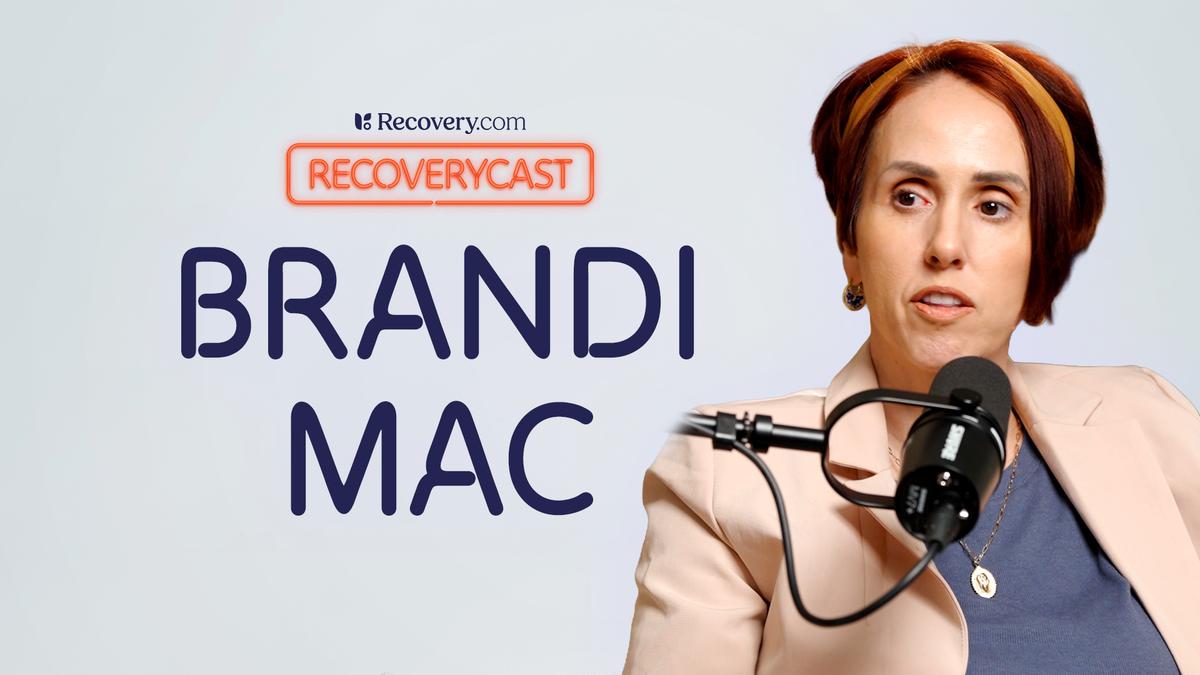
In this episode of Recoverycast, we sit down with Brandi Mac, a critical care nurse practitioner, author, and advocate whose life was transformed by her daughter’s battle with addiction.
Brandi brings a rare perspective to the conversation. She understands addiction as a clinician, but she also knows it as a mother who spent years cycling through heartbreak, hope, relapse, and fear.
Her daughter attended nine treatment centers in four years. Along the way, Brandi confronted stigma, ethical failures in the treatment system, and her own breaking point. What emerged from that darkness was a radically honest philosophy she calls “doing what you can live with.”
In this episode, Brandi shares how compassion, boundaries, and family healing became the foundation for long-term recovery, not just for her daughter, but for herself.
Her story offers guidance for families who feel exhausted, isolated, and unsure of what the right next step should be.
1. When Addiction Hits Home, Everything Changes
Before addiction touched her family, Brandi believed she understood it. After a decade working in emergency rooms and intensive care units, she had seen overdoses and relapse. Like many clinicians, she admits she carried stigmatized beliefs, wondering why people kept making the same destructive choices.
That perspective was shattered when her daughter’s substance use escalated. Suddenly, addiction wasn’t a diagnosis or a chart note. It was her child.
Brandi describes how that moment “humbled” her and forced her to reexamine every assumption she held about addiction and recovery.
In the hospital, she began seeing her daughter in every patient struggling with substance use. Compassion replaced judgment. She noticed something powerful happened when she showed up with empathy instead of frustration. Patients calmed down. Conversations softened. Trust formed.
Brandi emphasizes that shame already consumes people in active addiction. Judgment only deepens it. One moment of genuine compassion, especially in a medical setting, can be the spark that opens someone’s eyes to recovery.
This lesson extends beyond healthcare. When addiction enters a family, it forces loved ones to confront their own beliefs. Brandi’s experience reminds families that changing how we see addiction can change how we show up, and sometimes that shift is where healing begins.
Explore Drug Addiction Treatment Centers
2. The Early Signs Are Rarely Obvious
Looking back, Brandi can now identify early warning signs. At the time, they were anything but clear. Her daughter struggled with depression and mood changes as a teenager. Substance use didn’t immediately register as the cause.
The first opioid her daughter ever took came from a familiar place: a leftover prescription found in a bathroom cabinet. She was just 14. Brandi shares how common this story is, and how easy it is for parents to miss the significance of that first exposure.
As her daughter grew older, her behavior escalated. Sneaking out, dramatic mood swings, and experimenting with harder drugs, were common. Even then, Brandi believed she was dealing with a mental health issue, possibly bipolar disorder, rather than addiction.
This confusion is deeply human. Parents want to believe the best. Denial often isn’t intentional; it’s protective. Brandi acknowledges that drugs are everywhere, and they don’t always look like the stereotypes portrayed on television.
Her insight for families is simple but sobering. Addiction rarely announces itself loudly at first. It hides in plain sight.
3. Treatment Alone Is Not Recovery
Over four years, Brandi’s daughter attended nine treatment centers across multiple states. Some stays were completed. Others ended early. Each discharge brought hope, followed by relapse.
Brandi admits she once believed the treatment system worked like traditional healthcare. You find the right place, trust the professionals, and recovery follows. That illusion didn’t last long.
What shocked her most was the lack of family involvement and aftercare planning. Discharge often meant little more than “go to Al-Anon.” There was no meaningful reentry support, no bridge back to real life.
Brandi emphasizes a truth families rarely hear. Treatment is stabilization, not transformation. 30, 60, or 90 days can’t always undo years of trauma or rewire a healing brain.
Reentry is where recovery is truly tested. Without structure and support, people leave treatment only to face overwhelming stress with fragile coping skills. Brandi believes the system fails families by ignoring this critical phase.
Her message is clear. Families should ask the hard questions, demand clear aftercare plans, and understand that recovery continues long after discharge.
4. Hope Can Turn Into Exhaustion
Hope is what keeps families going, until it doesn’t. Brandi describes how relapse after relapse slowly eroded her sense of possibility. Each cycle brought fresh optimism, followed by deeper despair.
As a mother, she lived in constant fear of “the call.” She felt like she was drowning while still trying to show up for work, for her other children, and for life.
She tried tough love. Conversations with her daughter revolved solely around treatment. Everything else was shut down. Despite her best intentions, nothing changed.
Brandi is honest about the emotional toll. She didn’t want to die, but she wanted to disappear. That quiet wish for escape is something many families recognize but rarely say out loud.
This lesson validates the suffering of loved ones. Addiction is often called a family disease, but support for families remains minimal. Brandi’s story gives voice to that pain and reminds listeners that exhaustion doesn’t mean failure. It means you are human.
5. Ambiguous Grief Is Real, and It Breaks You Open
One of Brandi’s most powerful moments came at her lowest point. After a deeply unethical treatment experience left her hopeless and angry, she reached a breaking point.
Without planning it, she shaved her head. What started as an impulsive act became a profound release. As the hair fell away, she felt something she hadn’t felt in a long time. Relief.
Brandi describes standing outside afterward, feeling the wind on her scalp like a “hug to her soul.” For the first time in years, she felt present in her own body.
She names this experience as ambiguous grief, mourning someone who is still alive but unreachable. Families grieve again and again, without closure or rituals.
That moment marked the beginning of her healing. She sought trauma therapy and finally turned inward, realizing she could not survive without caring for herself.
Her message is powerful. Families need permission to grieve, to break, and to heal, even while their loved one is still struggling.
6. Love and Boundaries Can Exist Together
After her breaking point, Brandi made a radical shift. She stopped focusing on her daughter’s addiction and started focusing on what she could live with.
She reached out with a simple message. “I love you. I miss you. I hope you have Narcan.” No lectures. No ultimatums.
That small act reopened communication. Brandi stopped pushing treatment and started rebuilding a relationship. She relearned how to talk to her daughter as a person, not a problem.
Boundaries still mattered. Her daughter could not live at home in active use. Money was off the table. Safety came first. But love was no longer conditional.
Brandi challenges the idea that compassion equals enabling. She believes withholding love often deepens shame and isolation, the very things addiction feeds on.
Her approach shows families that boundaries are not walls. They can be flexible, intentional, and grounded in love.
7. Recovery Looks Different for Everyone
One of the hardest beliefs Brandi had to unlearn was her view of medication-assisted treatment. Like many, she once believed it was “trading one drug for another.”
Listening to lived experiences changed her mind. She saw her daughter stabilize, parent her children, and rebuild her life with the support of medication.
Brandi now firmly believes that recovery should be measured by quality of life, not rigid definitions. If someone wakes up without using illicit drugs, engages in life, and finds stability, that matters.
She supports all paths to recovery. Abstinence works for some. Medication works for others. The goal is healing, safety, and hope.
Her advocacy now focuses on education, ethical treatment, and better reentry support. She urges families to listen, ask questions, and trust lived experience as much as ideology.
Brandi’s story isn’t about finding the perfect answer to addiction. It’s about learning how to live, love, and survive in its presence. Her biggest lesson is simple but profound. You can never go wrong leading with compassion, empathy, and boundaries you can live with.
For families feeling hopeless, her message offers reassurance. Healing is possible. Connection matters. And recovery often begins in unexpected ways.
To hear Brandi’s full story and explore these lessons in depth, listen to this episode of Recoverycast. If it resonates, consider sharing it with someone who might need it, or take a moment to reflect on what doing what you can live with means in your own life.
Looking for Support?
If you or someone you love is struggling, treatment is available. Recovery.com can help you explore drug and alcohol treatment centers, resources, and options tailored to your needs, wherever you are in your journey.










Our Promise
How Is Recovery.com Different?
We believe everyone deserves access to accurate, unbiased information about mental health and recovery. That's why we have a comprehensive set of treatment providers and don't charge for inclusion. Any center that meets our criteria can list for free. We do not and have never accepted fees for referring someone to a particular center. Providers who advertise with us must be verified by our Research Team and we clearly mark their status as advertisers.
Our goal is to help you choose the best path for your recovery. That begins with information you can trust.