Find Treatment By
Rehabs by Location


Learn
About Us
Recovery.com combines independent research with expert guidance on addiction and mental health treatment. Our mission is to help everyone find the best path to recovery through the most comprehensive, helpful network of treatment providers worldwide.
Advisory Council
Our advisory council brings together leaders in behavioral health, technology, and business. Their diverse expertise ensures our resources and product are innovative, evidence-based, and effective. They guide our mission as accomplished individuals dedicated to improving the landscape of addiction recovery and mental wellness.
Andrew Barr’s 8 Powerful Lessons on Sobriety, Self-Belief, and Turning Recovery Into Purpose


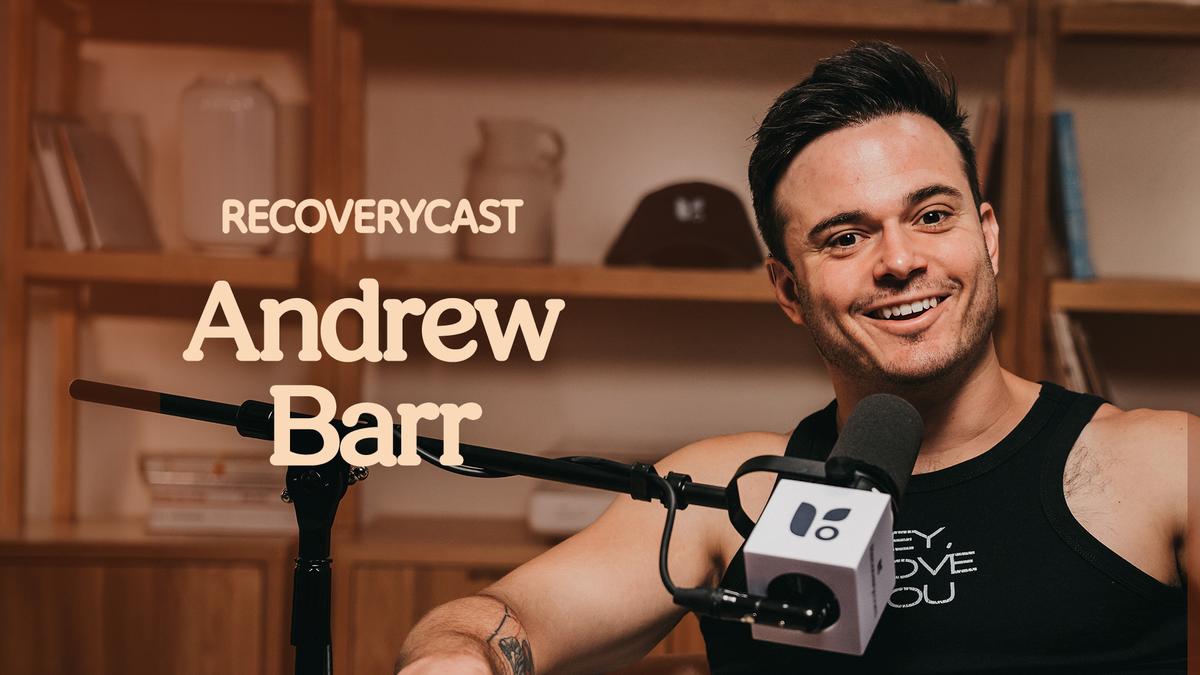
Recovery can transform a life in unexpected ways.
For comedian Andrew Barr, recovery didn't just mean putting down drugs and alcohol. It meant rebuilding his identity, discovering new strengths, and eventually running 100 kilometers on a treadmill before performing a comedy special, all to raise money for the treatment center that helped save his life.
What began as a fundraising idea evolved into something much bigger. It became a powerful metaphor for addiction, recovery, resilience, and the importance of community.
On this episode of Recoverycast, Andrew returns to share more hilarious stories, honest reflections, and hard-earned wisdom from his journey through addiction and into long-term sobriety. Along the way, he offers lessons that can resonate with anyone facing challenges, whether they're navigating recovery themselves or supporting someone who is.
Here are the biggest takeaways from Andrew's remarkable story.
1. Recovery Gives You the Chance to Give Back
When Andrew reached a point where he felt grounded in his sobriety, he began thinking about how he could support the rehab center that helped him get sober.
Rather than making a traditional donation or hosting a standard fundraiser, he decided to do something memorable. Very memorable.
His idea? Run for 12 straight hours on a treadmill and attempt to cover 100 kilometers before stepping directly onto a stage to perform a comedy special.
Andrew admitted that if he simply told people he was running a marathon for charity, they might think it was nice. But he wanted something that would make people stop and ask, "You're doing what?"
That willingness to think bigger reflects something many people experience in recovery. Once survival is no longer the primary goal, purpose often becomes the next chapter.
Recovery isn't only about what you leave behind. It's also about what you build moving forward.
2. Addiction Can Feel Like Running on a Treadmill
One of the most powerful moments from the conversation came when Andrew explained the symbolism behind the event.
As he spent months planning the special, he realized the treadmill perfectly represented addiction.
You're expending enormous amounts of energy. You're exhausted. You're suffering.
And despite all that effort, you're not actually moving forward.
The image is striking because it captures the experience many people describe during active addiction. Life becomes repetitive. Days blur together. Progress feels impossible.
Andrew explained that eventually you reach a point where you must acknowledge a difficult truth: you can't beat the machine.
You have to get off.
That realization mirrors the moment many people seek help. It's not a weakness. It's recognizing that the cycle cannot continue forever.
Explore Drug Addiction Treatment Centers
3. Community Helps You Get Off the Treadmill
Andrew's metaphor became even more powerful during the final moments of the event.
After nearly 12 hours of running, the audience began arriving at the comedy club.
He described feeling physically depleted and emotionally vulnerable. People were watching him at one of his lowest moments of the day.
Rather than seeing the audience as spectators, he began viewing them as a symbol of intervention and support.
They represented the people who show up when someone is struggling. The people who refuse to look away. The people who remind you that there's another path forward.
When Andrew finally stopped the treadmill and walked onto the stage, he viewed it as a return to community, much like returning to life after addiction. Recovery often begins alone, but long-term healing almost always involves connection.
4. Mental Strength Is Built One Repetition at a Time
Running for 12 hours didn't happen overnight.
Andrew spent nine months training for the challenge, often spending four to six hours at a time on a treadmill.
The physical demands were intense. The mental demands were even greater.
Hour after hour, he found himself staring into the mirror directly in front of the treadmill. Eventually, the experience became less about fitness and more about self-reflection.
He discovered that spending extended periods alone with his thoughts revealed a lot about his mental health.
Could he remain positive? Could he avoid turning against himself? Could he maintain self-compassion when everything hurt?
Those questions matter in recovery, too.
Building resilience rarely comes from one breakthrough moment. More often, it comes from repeatedly choosing healthier thoughts, healthier behaviors, and healthier habits until they become second nature.
5. Some Stories Need Time to Become Scars Instead of Wounds
During the conversation, Andrew revisited advice he previously shared: tell stories from scars, not wounds.
It's a simple phrase with a powerful meaning.
While much of his comedy now incorporates addiction and recovery, he intentionally waited until he felt secure in his sobriety before creating an entire special around those experiences.
He wanted enough distance to process what had happened.
Enough healing to reflect honestly.
Enough stability to know he wasn't still in the middle of the crisis.
This lesson extends beyond comedy. Many people feel pressure to immediately share every challenge they're facing. But healing often requires time, perspective, and patience.
Sometimes the most impactful stories are the ones we tell after we've had a chance to understand them.
6. Confidence in Sobriety Comes Through Practice
One of Andrew's biggest fears early in recovery was whether he could still be funny without alcohol.
For years, drinking had been part of performing. It was familiar. It felt normal. It helped him feel connected to audiences.
Suddenly, he was stepping on stage completely sober while surrounded by people who were drinking.
At first, it felt uncomfortable. He worried that audiences would notice. He worried that he wouldn't connect the same way. He worried that something essential was missing.
But over time, something surprising happened. The fear faded. Not because he discovered a secret technique, but because he kept showing up. Set after set. Performance after performance.
Eventually, sobriety became the new normal.
His experience is a reminder that confidence often follows action, not the other way around.
7. Breaking Stigma Can Change Lives
Today, Andrew regularly receives messages from people who are sober curious, struggling with addiction, or considering treatment.
He takes that responsibility seriously.
Part of what motivates him to talk openly about recovery is the stigma he once felt himself.
When his friends and family intervened and encouraged him to go to rehab, he believed his life was over.
He was embarrassed and ashamed. But now he sees things differently.
Looking back, going to treatment was one of the best decisions he ever made. By sharing his story publicly, Andrew hopes to normalize recovery and challenge outdated stereotypes about addiction.
People often imagine addiction looks a certain way.
Recovery stories like Andrew's remind us that addiction can affect anyone, and recovery can happen for anyone.
Sometimes the simple act of being visible creates permission for someone else to seek help.
8. Bet on Yourself, Even When Nobody Else Understands
Perhaps the biggest lesson from Andrew's story is the importance of believing in your own vision.
For nine months, people questioned the treadmill idea.
Not because they wanted him to fail, but because it sounded impossible.
Production companies were skeptical. Friends were skeptical. Even potential partners struggled to understand what he was trying to create.
But Andrew believed in it. He saw something others couldn't yet see. He continued training, planning, and betting on himself.
And eventually, the event succeeded. He raised thousands of dollars, created a unique comedy special, and turned an unconventional idea into reality.
The lesson isn't that everyone should run 100 kilometers, but that meaningful goals often look unreasonable at first. Sometimes, the person who needs to believe in your vision first is you.
Andrew’s story is about far more than comedy, fundraising, or endurance running. At its core, it's a story about transformation.
It's about stepping off the treadmill of addiction, embracing community, building confidence through repetition, and finding the courage to pursue something bigger than yourself.
Recovery made it possible for Andrew to rebuild his life. It also gave him the opportunity to inspire others along the way.
To hear the full conversation, including Andrew's hilarious rehab stories, reflections on sobriety, and behind-the-scenes details from his 12-hour treadmill challenge, listen to the complete Recoverycast episode.
If this story resonated with you, share it with someone who might need encouragement today, and take a moment to reflect on what bold step recovery, or life, might be asking you to take next.
Our Promise
How Is Recovery.com Different?
We believe everyone deserves access to accurate, unbiased information about mental health and recovery. That's why we have a comprehensive set of treatment providers and don't charge for inclusion. Any center that meets our criteria can list for free. We do not and have never accepted fees for referring someone to a particular center. Providers who advertise with us must be verified by our Research Team and we clearly mark their status as advertisers.
Our goal is to help you choose the best path for your recovery. That begins with information you can trust.