Find Treatment By
Rehabs by Location


Find Treatment By
Learn
About Us
Recovery.com combines independent research with expert guidance on addiction and mental health treatment. Our mission is to help everyone find the best path to recovery through the most comprehensive, helpful network of treatment providers worldwide.
Advisory Council
Our advisory council brings together leaders in behavioral health, technology, and business. Their diverse expertise ensures our resources and product are innovative, evidence-based, and effective. They guide our mission as accomplished individuals dedicated to improving the landscape of addiction recovery and mental wellness.
Am I Depressed Or Lazy? 10 Expert Answers On The Internet’s Most Searched Depression Questions


Michelle Rosenker is a Senior Web Editor at Recovery.com. She has an extensive background in content production and editing and serves as a subject matter expert in the field of addiction and recovery.
Michelle Rosenker is a Senior Web Editor at Recovery.com. She has an extensive background in content production and editing and serves as a subject matter expert in the field of addiction and recovery.
Table of Contents
- 1) What does depression feel like?
- 2) Am I depressed or am I lazy?
- 3) What are the signs of depression, and what are my early warning signs?
- 4) Is depression a medical condition, and why does that matter?
- 5) Is high-functioning depression real, and why can it be so dangerous?
- 6) How do I know if I have depression, or someone I love does?
- 7) What are the most common lies depression tells you?
- 8) What’s the best way to ask for help, or support someone with depression?
- 9) Do I need medication, or can I treat depression naturally, with prayer, or without therapy?
- 10) When suicidal thoughts show up, what’s the safest move?
- Conclusion
Depression is one of those words everyone uses, but not everyone understands. Sometimes it looks like crying in bed. Sometimes it looks like going to work, smiling at meetings, and collapsing on the bathroom floor the second you get home. Sometimes it feels like a heavy blanket, sometimes it feels like moving through mud, and sometimes it’s just a quiet whisper that says, “Go back to bed.”
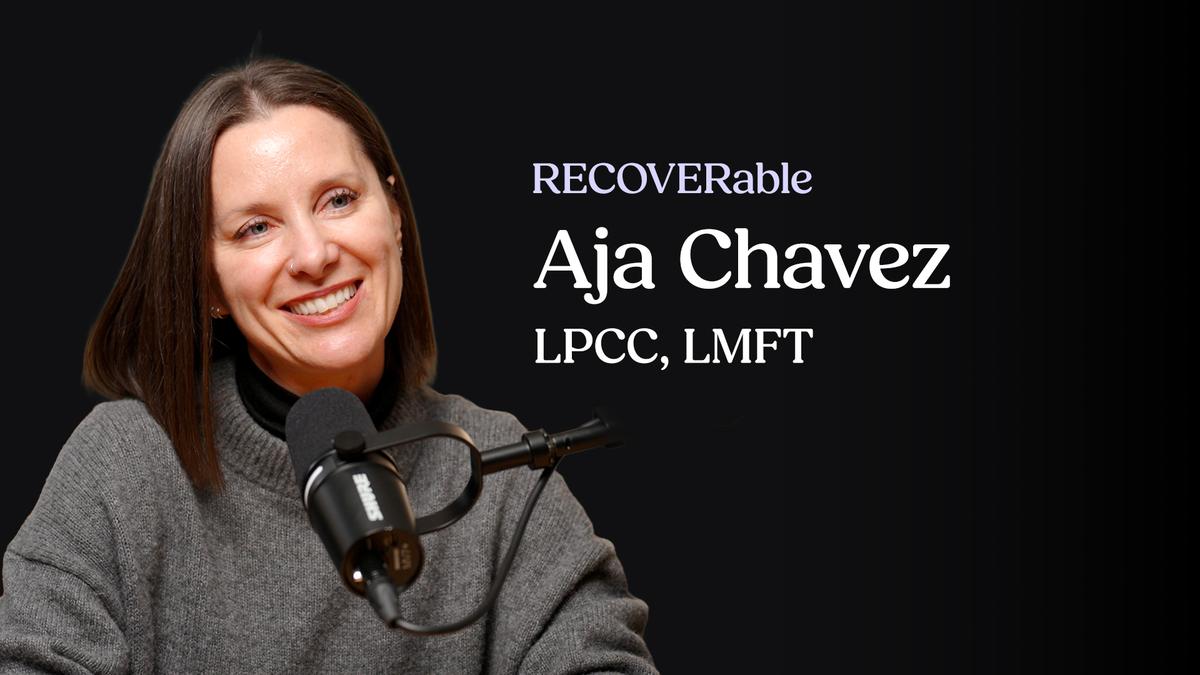
In this episode of Recoverable, host Terry McGuire sits down with Aja Chavez, a licensed therapist at Mission Prep and suicide attempt survivor, for a conversation that cuts through the stereotypes. They talk about the question so many people secretly Google at 2 a.m., “Am I depressed or am I lazy?” They unpack why depression can feel like it shows up “for no reason,” why high-functioning depression can be especially dangerous, and how to spot your personal early warning signs before you slide deeper. Most importantly, they offer language and tools that make depression feel less mysterious and more treatable.
1) What does depression feel like?
Depression isn’t one feeling, it shape-shifts.
Depression is confusing partly because it’s not consistent. Aja describes it as something that evolves over time, it can feel like a warm, heavy weighted blanket, like moving through mud, or like a lingering dark cloud that won’t leave. For her, it even made the world feel “fuzzy,” like she couldn’t fully focus or emerge.
That range matters, because many people dismiss depression when it doesn’t match the stereotype. If you’re not crying nonstop, you might assume you’re not “really” depressed. But this conversation makes a key point, depression doesn’t always announce itself as sadness. It can be numbness, irritability, exhaustion, or hopelessness.
And sometimes, it starts deceptively. Aja shares that in the beginning, depression felt like “a nice friend,” a kind reprieve. It offered relief from feeling too much, like a shutoff switch for overwhelm. That’s one reason it can be hard to let go of, at first, it can feel like protection, until it starts taking away joy, connection, and belonging.
Explore Depression Treatment Centers
2) Am I depressed or am I lazy?
If rest doesn’t restore you, it’s not laziness.
This is the number one internet question the host brings up, and Aja doesn’t judge it, she relates. She laughs because she asked herself that same thing for years. In her 20s, she watched people leave for work at 7 a.m. and thought, how do they do that, what is wrong with me?
She pushes back on the word “lazy,” not because motivation never matters, but because depression changes how effort feels. With everyday tiredness, rest helps. You step away, recharge, and come back with more capacity. With depression, you can sleep and sleep and still wake up feeling like you have nothing in the tank.
The other trap is shame. Depression often whispers, “You’re lazy, you’re unmotivated, you’re a mess,” because shame keeps you isolated. Aja describes “disagreeing with the internal dialog” by naming what’s happening: “This is a day of deep struggle.” Not to give up, but to stop blaming your character for what may be a medical condition.
Why can I scroll for hours but can’t cook a meal?
This question hits home for a lot of people because it feels like evidence. If you can scroll, you must be fine, right? But depression doesn’t just affect mood, it infiltrates everything: thoughts, physical energy, motivation, and self-worth.
Scrolling can also be a form of checking out. It’s passive, low-effort, and it quiets the mind for a moment. Cooking requires planning, movement, cleanup, and decision-making, all things depression makes feel impossibly heavy. The goal isn’t to shame yourself into action. It’s to recognize the pattern and use it as information: something might be off, and you might need support.
3) What are the signs of depression, and what are my early warning signs?
The most useful “symptom list” is the one that’s personal.
The episode names a frustration many people have. The standard symptom lists can feel too broad: sleep too much or too little, eat too much or too little, isolate, lose interest. You can read that list and think, isn’t that everyone sometimes?
Aja gives the clinical framing: a loss of engagement or joy in things that used to matter, changes in sleep and appetite, more isolation. But then she pivots to what’s often more practical, noticing your own internal shift. Depression can show up first in your thoughts and self-care, not always in obvious sadness.
Terry describes it like hearing a train whistle in the distance, that moment where you feel “off” and realize, something is wrong, my depression might be coming. That early moment matters, because it’s often the point where you can intervene before it deepens.
Aja shares her personal warning signs:
- Waking up after a full night of sleep and still not feeling rested
- Hearing the whisper: “Just go back to bed”
- Not wanting to go to things she normally loves, like yoga with people she adores
- Wanting to isolate, even though connection usually refills her
- Losing appetite even while feeling physical hunger
4) Is depression a medical condition, and why does that matter?
Calling it “medical” can save your life.
There’s a moment in the conversation where the host says it plainly: many people still don’t believe depression is a medical condition. Aja is direct here, it’s important to view depression as a medical condition and a mood disorder, while also acknowledging life circumstances and experiences can contribute. It’s an intersection, biology plus lived experience.
Why does that framing matter? Because when people don’t see it as medical, they often treat it like a personality flaw. Or they expect you to “be grateful” and snap out of it. Aja describes how confusing it can be when someone looks at your life and says, “But you have so much to be grateful for,” as if gratitude cancels illness.
Seeing depression as medical also opens the door to real treatment options. Aja says medication can be extremely helpful when someone is in the deep depths of depression. She also shares something many people need to hear: medication “saved my life,” and she would take it again if needed because she isn’t willing to risk her life.
That is not a statement that medication is the only answer. It’s a reminder that depression is treatable, and that getting help is not weakness, it’s healthcare.
5) Is high-functioning depression real, and why can it be so dangerous?
Looking “fine” can hide the biggest risk.
When the host asks if high-functioning depression is real, Aja answers immediately: absolutely. She believes she lived with it, and maybe still does at times. High-functioning depression is when you have all the “shoulds,” the job, the responsibilities, the outward productivity, and still there’s that whisper in the background, a thread connected to a weight you’re dragging.
The danger is visibility. If you show up smiling, do your work, and look put together, people don’t check in. And you may not feel entitled to ask for help because you think you’re supposed to be grateful and okay. Aja calls it “the illness that no one can see,” if you don’t want them to.
She also makes a clinical point that’s easy to miss: with high-functioning depression, the crash can be bigger. It’s not always a slow decline that others can notice and intervene in. Sometimes it’s holding it together, until it suddenly becomes impossible. That’s one reason she emphasizes learning your warning signs and treating depression like an illness, not a moral failing.
6) How do I know if I have depression, or someone I love does?
Depression is a shift, not a personality trait.
One of the most helpful things Aja says is that depression is not always easy to spot, even in yourself. And in other people, it can be even harder.
Because depression is not just “being sad.”
It’s the impact it has on your ability to function, and the way it changes your normal way of being. Aja describes it as something that touches everything: your thoughts, your body, your moods, your energy, your relationships, and your sense of self.
In yourself, you might notice a shift from normal tiredness into something deeper. Not just “I’m worn out,” but “I feel heavy,” “I can’t move,” or “I can’t tolerate being in my own mind.”
In someone else, you are often looking for changes like:
- Pulling away from activities they used to enjoy.
- Irritability instead of sadness.
- Not wanting to get out of bed, go to practice, or come downstairs.
- A slow deterioration that becomes their new normal.
Aja also makes an important point: depression can show up in someone who looks like they are thriving. High-achieving. Productive. “Perfect” on the outside.
And that is one reason it can be so dangerous.
What if they say “I’m fine”?
“Fine” is often a door slam, not an answer.
Aja shares a memorable (and very real) moment about the word “fine.” She jokes about the acronym for it, but the point is serious: most of us want to hear “fine” because we don’t know what to do if the answer is anything else.
But if your gut tells you something is off, don’t stop at “fine.”
Aja’s advice is simple and powerful: keep going.
Not aggressively, not dramatically, but directly.
You name what you’ve noticed, you give evidence, and you say you want to talk about it. And if they’re not ready right now, you keep the door open and come back.
7) What are the most common lies depression tells you?
Depression does not just make you sad, it hijacks your self-worth.
This is one of the most important parts of the episode, and honestly, one of the most validating.
Terry points out something that almost never shows up in the “top searched” lists about depression: the thoughts.
Not just negative thoughts, but the specific, repetitive, convincing lies that depression tells:
- You are a burden
- You will always feel this way
- Nobody understands
- Nobody cares
- They would be better off without you
And what makes these thoughts terrifying is how believable they feel.
Aja says we don’t talk about them because we are ashamed. Depression silences us, and shame keeps it sealed.
It becomes a secret, and secrets are where depression grows.
Aja describes it like something takes over the brain. Like your mind is hijacked. And part of what therapy does is help people realize these thoughts are symptoms, not truths.
Because when you are in depression, it does not feel like “a symptom.”
It feels like reality.
Why do these thoughts get so loud?
Depression wants you alone.
Aja says something chilling and honest: depression wants you alone, and it wants you dead.
Not because you actually want that, but because depression isolates you from connection, belonging, and support, the exact things that help you survive it.
And the more isolated you become, the more believable the lies become.
This is why naming the thoughts matters so much, even when it feels humiliating or scary.
8) What’s the best way to ask for help, or support someone with depression?
Don’t “silver lining” someone who is drowning.
This section of the episode is basically a masterclass in what to say, and what not to say.
Terry asks one of the hardest questions: how does a therapist connect someone to hope when they feel none?
Aja’s answer is refreshingly honest: she doesn’t walk in and announce, “There is hope!”
Because that often backfires.
She references Brené Brown’s point about silver lining language, the kind of phrases that start with:
- “At least…”
- “You have so much to be grateful for…”
- “Look on the bright side…”
If you’ve ever been depressed, you know what that does.
It makes you feel worse.
It becomes one more piece of “evidence” that you’re ungrateful, broken, or failing.
Instead, Aja says what helps is quiet consistency. Showing up with actions, not speeches.
What support can look like in real life
Show up in ways that don’t require them to perform.
Aja describes support as demonstrating, through evidence, that the person is worth showing up for, even if they’re “a blob on the couch.”
She also warns against talking about the future too soon.
Because when someone can’t shower or get out of bed, talking about their five-year goals can send them into panic.
Hope is not built by making someone imagine a big future.
Hope is built by helping them survive today.
Asking for help when you can’t even function
One of the most real parts of the conversation is when Terry points out the obvious problem:
When you are depressed, you cannot do the steps required to get help. You can’t “research therapists,” compare insurance plans, or make calls. Aja agrees. Often, the person struggling is not the one who can do the navigating. That’s why one of the most practical suggestions in the episode is: Ask someone to help you find resources.
Not “help me,” in a vague way, but:
- Help me find a therapist
- Help me find a free clinic
- Help me find a support group
- Help me call someone
- Help me take the first step
And if you’re the support person, this is a huge takeaway:
Sometimes the best help is logistical, not emotional.
9) Do I need medication, or can I treat depression naturally, with prayer, or without therapy?
Medication can be the floor beneath your feet.
Terry shares a story of a man that will hit home for a lot of people: being deeply depressed for nearly two years, wishing not to wake up, and then finally trying antidepressants.
About four weeks later, he describes feeling like he had a floor beneath his feet.
Not happiness.
Not a miracle cure.
But stability.
And that stability gave him the ability to make choices again.
Aja echoes this and says plainly:
She also adds something important: she respects people who feel resistant to medication for cultural, personal, or other reasons.
But she compares it to diabetes. For some people, medication is what allows them to function and stay alive.
Why meds don’t “change who you are”
A lot of people fear medication because they worry about:
- Becoming a zombie
- Losing their edge
- Weight gain
- Personality changes
- Losing control
Aja says she had those fears too, even while hating herself. That contradiction is so human.
Then she shares a moment from her own life that is blunt enough to stick:
A counselor asked her: “Do you want to be pretty or do you want to be dead?”
Not gentle, but sometimes that’s what depression requires, clarity.
The medication journey can be frustrating
Aja also normalizes something that many people don’t expect:
The first medication might not work.
You may have false starts. Side effects. Disappointment. A sense of losing trust.
She describes being results-driven and wanting it to work immediately, and feeling frustrated by the process.
But her advice is clear:
Be willing to be on the journey.
Because finding the right medication can be the thing that makes therapy possible.
Can you treat depression naturally?
Yes, sometimes, but it depends.
Aja gives a balanced answer: natural tools can help, but it depends on:
- The type of depression
- The severity
- The person’s support system
If someone is going the non-medication route, she recommends having additional support around them.
She also talks about prayer in a nuanced way. She is deeply spiritual, and she says faith can be protective, it can create belonging and hope.
But she also says something many people need to hear:
Prayer alone may not touch depression.
Her family prayed for her, and she was still hopeless.
So she encourages people to keep their higher power close, but not depend on prayer as the only tool.
One guest Terry mentions puts it perfectly:
Pray on your way to the pharmacy. Pray on your way to the therapist.
Build a “wellness wheel,” not a single solution
Aja describes it like a wellness wheel, a set of tools you can rotate through.
And she gives one of the most useful reminders in the episode:
Do not build your wellness wheel based on someone else’s.
Comparison leads to despair.
What works for you is what matters.
10) When suicidal thoughts show up, what’s the safest move?
Secrecy makes depression louder.
Terry asks: if those scary, intrusive, suicidal thoughts start coming in, what is the safest move?
Aja’s answer is direct:
Share it with somebody.
Because the more you silence it, the bigger it gets.
She says secrecy is an invitation for depression and hopelessness to grow.
Should you ask someone directly if they’re suicidal?
Yes, ask directly. You won’t “put the idea in their head.”
Aja addresses a common fear: that asking about suicide will plant the thought.
She says clearly: it does not.
Someone who is not suicidal will not become suicidal just because you asked.
And she encourages asking in multiple ways, because people answer differently depending on wording:
- “Are you feeling suicidal?”
- “Have you been having thoughts about not wanting to be here anymore?”
- “Have you ever considered suicide?”
- “Do you ever wish you weren’t here?”
Terry adds a powerful point: many people will say “no” to “Are you suicidal?” but still wake up wishing they hadn’t.
That conversation matters, because it can stop things from escalating.
988 is not just for emergencies
Aja also reminds listeners that you do not need to be on the verge of a suicide attempt to call or text 988.
If you’re having fleeting thoughts, feeling hopeless, feeling like a burden, or don’t know where to start, 988 can help guide you step-by-step.
And that matters, because depression makes even basic steps feel impossible.
Conclusion
Depression is not laziness, and it is not just sadness.
It is a full-body, full-mind condition that can distort your thinking, isolate you from people, and convince you of lies that feel like truth.
But this episode also makes something clear: there are ways through it.
Not by forcing hope.
Not by silver lining your pain.
But by building support, naming the thoughts, asking directly, and using the tools that help you, whether that is therapy, medication, prayer, natural supports, or all of the above.
And maybe the most important takeaway is this:
Joy can come before hope.
Sometimes hope starts with something as small as petting your cat, watering your plants, or feeling the sun on your face.
Small is not meaningless.
Small is survival.
And survival is where recovery begins.
Our Promise
How Is Recovery.com Different?
We believe everyone deserves access to accurate, unbiased information about mental health and recovery. That's why we have a comprehensive set of treatment providers and don't charge for inclusion. Any center that meets our criteria can list for free. We do not and have never accepted fees for referring someone to a particular center. Providers who advertise with us must be verified by our Research Team and we clearly mark their status as advertisers.
Our goal is to help you choose the best path for your recovery. That begins with information you can trust.