Find Treatment By
Rehabs by Location


Learn
About Us
Recovery.com combines independent research with expert guidance on addiction and mental health treatment. Our mission is to help everyone find the best path to recovery through the most comprehensive, helpful network of treatment providers worldwide.
Advisory Council
Our advisory council brings together leaders in behavioral health, technology, and business. Their diverse expertise ensures our resources and product are innovative, evidence-based, and effective. They guide our mission as accomplished individuals dedicated to improving the landscape of addiction recovery and mental wellness.
Alkhuzama Zaini’s 7 Lessons on Alcohol Addiction, Rock Bottom, and Finding Joy in Sobriety


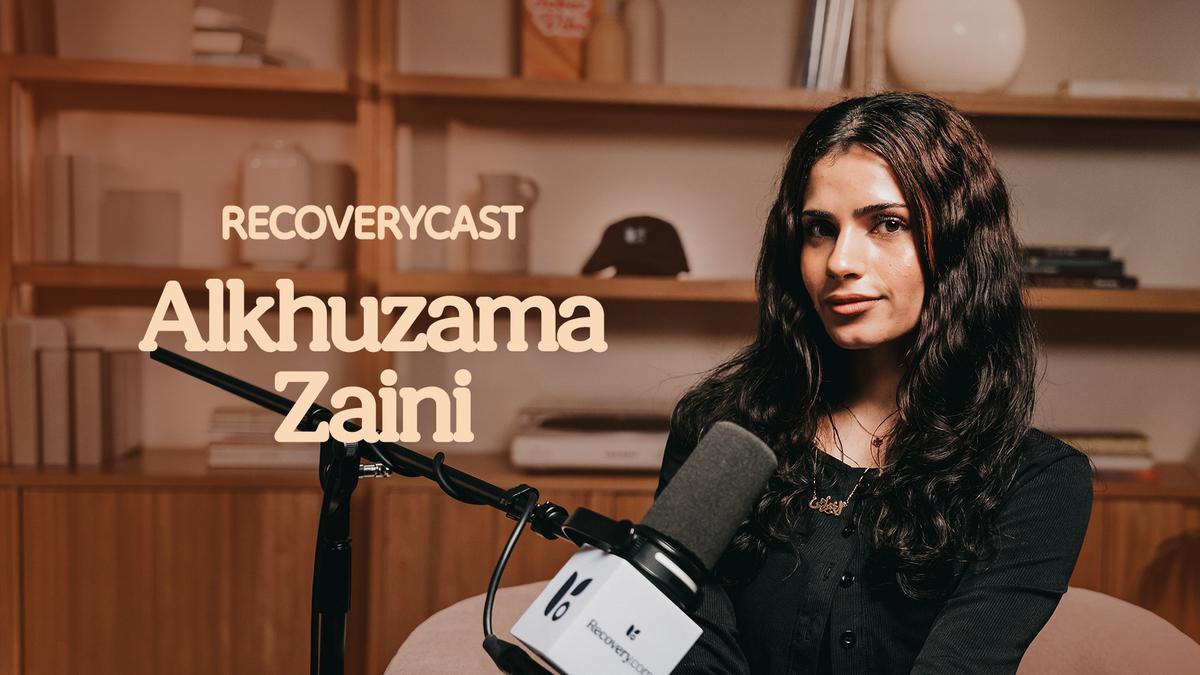
There was a time when Alkhuzama Zaini believed alcohol brought out the version of herself that other people liked.
It made it easier to talk to strangers, make friends, flirt with someone she found attractive, and quiet some of the anxiety she carried with her. What began as drinking in social settings eventually became part of her routine. Over time, the consequences became harder to overlook.
Alkhuzama, known online for sharing candid stories about addiction, mental health, and recovery, eventually developed a dependence on alcohol, specifically vodka. Her drinking affected her health, relationships, and education at Arizona State University. She lost her scholarship, stopped attending classes, isolated herself, and reached a point she describes as rock bottom.
Today, the story looks very different. Alkhuzama recently celebrated one year of sobriety and is finishing her degree while sharing the realities of addiction and recovery with a growing online community.
On this episode of Recoverycast, she discusses how alcohol gradually took up more space in her life, why an earlier attempt at rehab didn’t immediately lead to lasting sobriety, and what finally changed when she decided she wanted recovery for herself.
Here are seven lessons from her story.
1. Problem Drinking Didn’t Look Obvious at First
Alkhuzama’s relationship with alcohol didn’t begin with daily drinking. In high school, she drank at parties, and by college, heavy drinking could be easy to dismiss as part of the experience.
That made some of the warning signs easier for her to explain away. She describes blacking out frequently and relying on friends to take care of her. Looking back, she recognizes that what felt normal within her social environment was already causing problems.
There were serious consequences. During her first year of college, Alkhuzama went to the hospital after drinking heavily. She also faced legal trouble after being caught with an open container. Yet at the time, she found explanations for why those events didn’t mean she had an alcohol problem.
That ability to rationalize became part of the cycle. College drinking was common around her, so each consequence could feel like an isolated mistake rather than part of a larger pattern.
Her experience highlights an important distinction: the frequency of drinking is only one part of the picture. Looking at how alcohol affects someone’s safety, relationships, responsibilities, health, and ability to control their use can reveal problems that are easier to miss when everyone around them seems to be drinking too.
2. Alcohol Became a Shortcut to Confidence
When Alkhuzama transferred to Arizona State University, she imagined a fresh start. She had earned a full scholarship and pictured herself building a new life across the country.
But meeting people brought anxiety. She remembers seeing groups gathered around the pool at her apartment complex and wanting to join them, but feeling uncomfortable approaching them alone.
Alcohol seemed to solve that problem.
At first, she would take a drink before going downstairs. One drink became several. Eventually, she made friends at the pool and had conversations she might not otherwise have initiated. In her mind, alcohol appeared to be working.
That connection became powerful. Alkhuzama began associating alcohol with confidence, friendships, dating, and belonging. She came to believe people liked the version of her that appeared when she drank.
Meanwhile, the costs accumulated. Her tolerance increased, her physical health changed, and school became less of a priority. The substance she thought was helping her connect with life was gradually taking her away from it.
Explore Alcohol Treatment Centers
3. The Consequences Grew While Her World Got Smaller
As Alkhuzama’s alcohol use escalated, the life she had imagined at college began falling apart.
She stopped going to class, and her grades suffered. Eventually, she lost the scholarship that had helped bring her to Arizona. Her relationships were affected, too.
Perhaps one of the starkest changes was how isolated she became.
Alkhuzama describes spending long stretches of time alone in her room, drinking and withdrawing from the outside world. Her roommates noticed. They talked to her, set boundaries, and tried to limit her access to alcohol, even searching her room for vodka bottles.
They could see something Alkhuzama wasn’t yet ready to confront.
The contrast is striking because Alkhuzama describes herself today as outgoing and social. Addiction had narrowed her life until much of it revolved around drinking alone.
Eventually, she says she reached rock bottom. She had lost her scholarship, stopped attending classes, struggled deeply with her mental health, and barely recognized herself anymore.
4. Going to Rehab and Being Ready for Recovery Weren’t the Same Thing
Alkhuzama’s friends eventually told her parents how serious her drinking had become, and she entered rehab for about three months.
Surprisingly, she remembers much of the experience positively. She liked the small community and connected with counselors who had their own experiences with alcohol addiction. After a difficult first couple of weeks, she began enjoying the structure and relationships she found there.
But there was a major problem: Alkhuzama didn’t actually want to stop drinking yet.
She was newly 21 and still felt there was something she would be giving up by choosing sobriety. Treatment gave her an opportunity to step away from alcohol, but it didn’t instantly change how she felt about drinking.
About a week after leaving rehab, she drank again while traveling back to Arizona.
Her experience doesn’t mean someone needs to reach a certain level of “readiness” before treatment can help. Instead, it illustrates how complicated motivation can be. Someone can appreciate treatment, connect with the people there, and still struggle with returning to alcohol afterward.
Recovery didn’t become a straight line simply because Alkhuzama had gone to rehab once.
5. Her Turning Point Came With Relief, Not Excitement About Drinking Again
Eventually, Alkhuzama returned home. At first, she still wasn’t certain she wanted complete sobriety. She considered taking time to heal and figure out what came next.
Then she returned to Boston and quickly resumed heavy drinking.
After another night she could barely remember, her friends contacted her father. Alkhuzama woke up feeling physically awful and confronting the damage her drinking had caused.
But there was another emotion underneath it: relief.
She remembers realizing that she didn’t want to keep doing this. This time, sobriety felt like a decision she was making rather than something being imposed on her.
The beginning was still extremely difficult. Alkhuzama describes experiencing severe symptoms after stopping alcohol, including hallucinations and paranoia during the drive back to Virginia with her family.
Her story also underscores why alcohol withdrawal can require medical attention. For people who have developed physical alcohol dependence, abruptly stopping can cause serious withdrawal symptoms. Professional support can help determine an appropriate and safer approach to stopping alcohol use.
For Alkhuzama, the difficult first days didn’t change the decision she had made. This time, she wanted to see what life without alcohol could become.
Because alcohol withdrawal can be serious and potentially life-threatening, medical support may be needed to help someone detox safely. Learn more about alcohol detox and what to expect during withdrawal.
Explore Detox Treatment Centers
6. Recovery Gave Her Something to Build Toward
The first month of sobriety wasn’t glamorous.
Alkhuzama describes sleeping frequently, experiencing intense anxiety, and trying to process the effect her drinking had had on people she loved. She was afraid she had damaged some of her closest friendships.
She also found small routines that helped her reconnect with herself. One was remarkably simple: going outside, turning on music, and walking.
Those walks gave her room to imagine a different future.
After about a month, she remembers beginning to feel noticeably better. She started thinking about becoming a different version of herself, not just physically, but mentally and emotionally. Working on herself became something she could direct her energy toward.
Recovery started being about what she could create.
That sense of possibility eventually expanded beyond daily routines. She returned to her education and, after once wondering whether she would ever finish school, found a way to complete her degree online.
7. Sharing Her Story Turned Shame Into Connection
A couple of months into sobriety, Alkhuzama began posting about her experience online.
At first, part of the motivation was personal. She wanted her family and friends to see that she was changing and that they could trust her again. Posting felt like a way to document that transformation.
Then people started responding.
The support surprised her. Even before she had a large following, she became excited about creating content. Eventually, what started partly as a way to prove something to herself and the people around her became a way to connect with people who recognized themselves in her story.
That community now plays a role in Alkhuzama’s recovery, too. She says engaging with her audience and building relationships with people online makes her happy, even while acknowledging that sobriety still includes difficult days.
Her message isn’t simply meant to scare people with stories about what addiction took from her. She wants people to see what can exist on the other side.
Near the end of the episode, the conversation turns to a different way of talking about recovery: instead of only emphasizing frightening consequences, what happens when people can also see the joy, love, and opportunities they may regain?
Alkhuzama’s life now offers her own answer. She went from losing her scholarship and questioning her future to celebrating a year of sobriety, rebuilding relationships, finishing her degree, and creating a community around honest conversations about recovery.
Recovery Can Become Bigger Than What Was Lost
Alkhuzama’s story doesn’t follow a neat progression from addiction to treatment to lasting sobriety. She experienced consequences, went to rehab, returned to drinking, reached another breaking point, and eventually made a different choice.
That messiness is part of what makes her story resonate.
One of the strongest lessons from her Recoverycast conversation is that recovery isn’t only about escaping rock bottom. It can also be about rediscovering relationships, goals, identity, and a future that once seemed unreachable.
Listen to the full Recoverycast episode to hear Alkhuzama tell her story in her own words, from college drinking and alcohol addiction to relapse, sobriety, and rebuilding her life. And consider sharing the episode or this article with someone who may need a reminder that life can look very different on the other side of addiction.
Our Promise
How Is Recovery.com Different?
We believe everyone deserves access to accurate, unbiased information about mental health and recovery. That's why we have a comprehensive set of treatment providers and don't charge for inclusion. Any center that meets our criteria can list for free. We do not and have never accepted fees for referring someone to a particular center. Providers who advertise with us must be verified by our Research Team and we clearly mark their status as advertisers.
Our goal is to help you choose the best path for your recovery. That begins with information you can trust.