Sanare Doylestown
Treatment Focus
This center treats mental health conditions and co-occurring substance use. You receive collaborative, individualized treatment that addresses both issues for whole-person healing.
Primary Level of Care
Outpatient treatment offers flexible therapeutic and medical care without the need to stay overnight in a hospital or inpatient facility. Some centers offer intensive outpatient program (IOP), which falls between inpatient care and traditional outpatient service.
Claimed
Recovery.com has connected directly with this treatment provider to validate the information in their profile.
Treatment Focus
This center treats mental health conditions and co-occurring substance use. You receive collaborative, individualized treatment that addresses both issues for whole-person healing.
Primary Level of Care
Outpatient treatment offers flexible therapeutic and medical care without the need to stay overnight in a hospital or inpatient facility. Some centers offer intensive outpatient program (IOP), which falls between inpatient care and traditional outpatient service.
Provider's Policy
We accept most major commercial insurances and engage in single-case agreements and payment plans. Our intake department is open Monday through Friday from 8 a.m. to 5 p.m. to answer questions.
About Sanare Doylestown
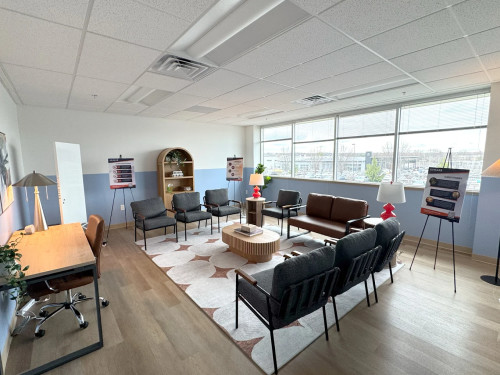
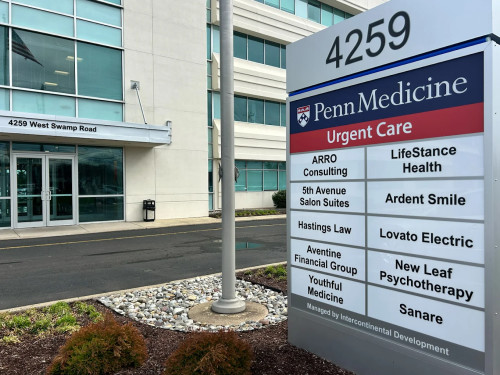
Located on West Swamp Road in Doylestown, Sanare Doylestown treats adults in Bucks County with trauma-focused intensive outpatient programming (IOP) and individual therapy. Its adult Trauma-Focused IOP meets Mondays, Wednesdays, and Fridays from 10 a.m. to 12:15 p.m., with individual sessions scheduled on Tuesdays or Thursdays. The program supports adults who need more structure than weekly therapy while continuing daily responsibilities.
Practice Skills with Trauma-Focused Support
Sanare Doylestown’s IOP uses small-group support, skills practice, and trauma-informed care to help clients better understand and respond to stress, emotions, and trauma responses. Groups focus on practical coping tools, emotional regulation, mindfulness, and support from peers and clinicians. Sanare also offers individual therapy for adults, with availability based on scheduling.
Start Care with a Consultation
All new clients begin with a consultation to determine the right next step. Sanare’s team can help clients understand whether IOP, individual therapy, or another level of care may fit their needs. Some services are offered in person at the Doylestown location, while others may be available virtually or through other Sanare locations.
Access Ongoing and Flexible Support
Sanare uses InSync as its client portal so clients can view treatment notes during and after care. Across its network, Sanare offers IOP, partial hospitalization programming (PHP), outpatient therapy, personalized intensives, and specialty groups, with programs varying by location.

Center Overview

Treatment Focus
This center treats mental health conditions and co-occurring substance use. You receive collaborative, individualized treatment that addresses both issues for whole-person healing.
CARF Accredited
CARF stands for the Commission on Accreditation of Rehabilitation Facilities. It's an independent, non-profit organization that provides accreditation services for a variety of healthcare services. To be accredited means that the program meets their standards for quality, effectiveness, and person-centered care.
Insurance Accepted
Cash Pay Rates
Estimated Cash Pay Rate
Center pricing can vary based on program and length of stay. Contact the center for more information. Recovery.com strives for price transparency so you can make an informed decision.
Levels of Care
Your Care Options
Specializations
Day Treatment
Also commonly called PHP, patients may live at home or in a recovery residence while following an intensive treatment program. Most have a weekly schedule of M–F and 4 to 6 hours per day.
Adolescents
Teens receive the treatment they need for mental health disorders and addiction, with the added support of educational and vocational services.
Intensive Outpatient Program
In an IOP, patients live at home or a sober living, but attend treatment typically 9-15 hours a week. Most programs include talk therapy, support groups, and other methods.
Trauma
Some traumatic events are so disturbing that they cause long-term mental health problems. Those ongoing issues can also be referred to as "trauma."
Who We Treat
Men and Women
Men and women attend treatment for addiction in a co-ed setting, going to therapy groups together to share experiences, struggles, and successes.
Approaches
Individual Treatment
Individual care meets the needs of each patient, using personalized treatment to provide them the most relevant care and greatest chance of success.
Therapies
1-on-1 Counseling
Patient and therapist meet 1-on-1 to work through difficult emotions and behavioral challenges in a personal, private setting.
Cognitive Behavioral Therapy
Cognitive Behavioral Therapy helps people identify and change unhelpful thought patterns and behaviors that contribute to emotional distress.
Dialectical Behavior Therapy
Dialectical Behavior Therapy teaches skills for managing emotions, improving relationships, tolerating distress, and increasing mindfulness.
Eye Movement Therapy (EMDR)
Lateral, guided eye movements help reduce the emotional reactions of retelling and reprocessing trauma, allowing intense feelings to dissipate.
Group Therapy
Group therapy brings people together in a supportive setting to share experiences, develop skills, and work toward common goals.
Meditation & Mindfulness
A practiced state of mind that brings patients to the present. It allows them to become fully aware of themselves, their feelings, and the present moment.
Motivational Interviewing and Enhancement Therapy (MET)
MET combines motivational interviewing techniques with structured feedback to encourage behavior change and treatment engagement.
Languages
Conditions We Treat
ADHD, ADD
ADD and ADHD are neurodevelopmental conditions that affect attention, focus, organization, and impulse control, often impacting daily life, school, work, and relationships.
Anxiety
Anxiety is a common mental health condition that can include excessive worry, panic attacks, physical tension, and increased blood pressure.
Bipolar
This mental health condition is characterized by extreme mood swings between depression, mania, and remission.
Codependency
Codependency is a pattern of emotional dependence and controlling behavior. It's most common among people with addicted loved ones.
Depression
Symptoms of depression may include fatigue, a sense of numbness, and loss of interest in activities. This condition can range from mild to severe.
Grief and Loss
Grief is a natural reaction to loss, but severe grief can interfere with your ability to function. You can get treatment for this condition.
Obsessive Compulsive Disorder (OCD)
OCD is characterized by intrusive and distressing thoughts that drive repetitive behaviors. This pattern disrupts daily life and relationships.
Post Traumatic Stress Disorder
PTSD is a long-term mental health issue caused by a disturbing event or events. Symptoms include anxiety, dissociation, flashbacks, and intrusive thoughts.
Self-Harm
The act of intentionally harming oneself, also called self-injury, is associated with mental health issues like depression.
Substances We Treat
Alcohol
Using alcohol as a coping mechanism, or drinking excessively throughout the week, signals an alcohol use disorder.
Benzodiazepines
Benzodiazepines are prescribed to treat anxiety, insomnia, and seizures. They can be habit-forming and may cause drowsiness, memory problems, and dependence.
Co-Occurring Disorders
A person with multiple mental health diagnoses, such as addiction and depression, has co-occurring disorders also called dual diagnosis.
Drug Addiction
Drug addiction is the excessive and repetitive use of substances, despite harmful consequences to a person's life, health, and relationships.