This center treats substance use disorders and mental health conditions. You'll receive individualized care catered to your unique situation and diagnosis, learn practical skills for recovery, and make new connections in a restorative environment.
Outpatient treatment offers flexible therapeutic and medical care without the need to stay overnight in a hospital or inpatient facility. Some centers off intensive outpatient program (IOP), which falls between inpatient care and traditional outpatient service.
This provider hasn't verified their profile's information. Are you the owner of this center? Claim your listing to better manage your presence on Recovery.com.
This center treats substance use disorders and mental health conditions. You'll receive individualized care catered to your unique situation and diagnosis, learn practical skills for recovery, and make new connections in a restorative environment.
Outpatient treatment offers flexible therapeutic and medical care without the need to stay overnight in a hospital or inpatient facility. Some centers off intensive outpatient program (IOP), which falls between inpatient care and traditional outpatient service.
The admissions team will work with you to explore the right payment options based on your needs, ensuring you get the best possible treatment.
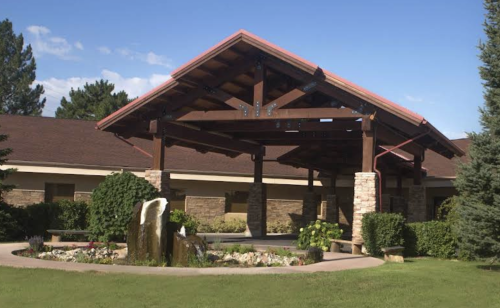
Located in Cottonwood Heights, Utah, along Fort Union Boulevard, outpatient services at this center include a 12-week intensive outpatient program (IOP) with group therapy, individual counseling, and psychiatric care. Clients attend nine hours of group therapy each week, focusing on communication, emotional regulation, and peer support. Therapists tailor individual sessions to address trauma, reinforce healthy behaviors, and coordinate care based on each client’s diagnosis and needs.
For those needing more structure, day treatment (PHP) offers about 30 hours of care weekly, including dialectical behavior therapy (DBT) skills groups, life skills, and psychoeducation. Clients also receive one-on-one therapy, medication management, and case management for support in work, school, and sobriety. Some join PHP+ and live in supervised apartments, where staff conduct welfare checks and provide daily support as clients build independence.
This center treats substance use disorders and mental health conditions. You'll receive individualized care catered to your unique situation and diagnosis, learn practical skills for recovery, and make new connections in a restorative environment.
The Joint Commission accreditation is a voluntary, objective process that evaluates and accredits healthcare organizations (like treatment centers) based on performance standards designed to improve quality and safety for patients. To be accredited means the treatment center has been found to meet the Commission's standards for quality and safety in patient care.

Center pricing can vary based on program and length of stay. Contact the center for more information. Recovery.com strives for price transparency so you can make an informed decision.
A person with multiple mental health diagnoses, such as addiction and depression, has co-occurring disorders also called dual diagnosis.
Drug addiction is the excessive and repetitive use of substances, despite harmful consequences to a person's life, health, and relationships.
Some traumatic events are so disturbing that they cause long-term mental health problems. Those ongoing issues can also be referred to as "trauma."
Men and women attend treatment for addiction in a co-ed setting, going to therapy groups together to share experiences, struggles, and successes.
A combination of scientifically rooted therapies and treatments make up evidence-based care, defined by their measured and proven results.
Individual care meets the needs of each patient, using personalized treatment to provide them the most relevant care and greatest chance of success.
Patient and therapist meet 1-on-1 to work through difficult emotions and behavioral challenges in a personal, private setting.
This method combines treatment with education, teaching patients about different paths toward recovery. This empowers them to make more effective decisions.
Teaching life skills like cooking, cleaning, clear communication, and even basic math provides a strong foundation for continued recovery.
PTSD is a long-term mental health issue caused by a disturbing event or events. Symptoms include anxiety, dissociation, flashbacks, and intrusive thoughts.
Anxiety is a common mental health condition that can include excessive worry, panic attacks, physical tension, and increased blood pressure.
Symptoms of depression may include fatigue, a sense of numbness, and loss of interest in activities. This condition can range from mild to severe.
Schizophrenia is a serious mental health condition that causes hallucinations, delusions, and disordered thinking.
With suicidality, a person fantasizes about suicide, or makes a plan to carry it out. This is a serious mental health symptom.
OCD is characterized by intrusive and distressing thoughts that drive repetitive behaviors. This pattern disrupts daily life and relationships.
Personality disorders destabilize the way a person thinks, feels, and behaves. If untreated, they can undermine relationships and lead to severe distress.
Some traumatic events are so disturbing that they cause long-term mental health problems. Those ongoing issues can also be referred to as "trauma."
The act of intentionally harming oneself, also called self-injury, is associated with mental health issues like depression.
A person with multiple mental health diagnoses, such as addiction and depression, has co-occurring disorders also called dual diagnosis.
Drug addiction is the excessive and repetitive use of substances, despite harmful consequences to a person's life, health, and relationships.
Using alcohol as a coping mechanism, or drinking excessively throughout the week, signals an alcohol use disorder.
Patients in a transition program gradually return to life outside treatment, helping lower chances of relapse and continue care in a less intense setting.

Treatment
5.0
Accommodations
5.0
Food & Nutrition
5.0
Value
5.0
Sam
Reviewed 10/12/22
Review from Rehabs.com