Find Treatment By
Rehabs by Location


Find Treatment By
Learn
About Us
Recovery.com combines independent research with expert guidance on addiction and mental health treatment. Our mission is to help everyone find the best path to recovery through the most comprehensive, helpful network of treatment providers worldwide.
Advisory Council
Our advisory council brings together leaders in behavioral health, technology, and business. Their diverse expertise ensures our resources and product are innovative, evidence-based, and effective. They guide our mission as accomplished individuals dedicated to improving the landscape of addiction recovery and mental wellness.
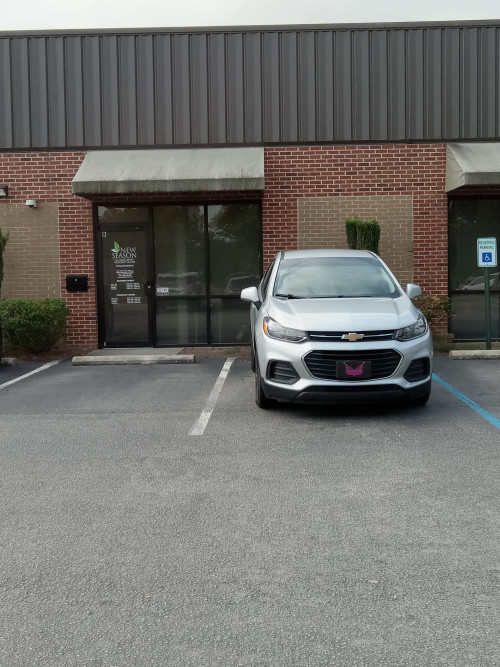
Columbia Metro Treatment Center
Verified Center
This provider's information has been quality-checked by Recovery.com's Research Team for accuracy and completeness, including center verification through appropriate third-party organizations.
Treatment Focus
This center primarily treats substance use disorders, helping you stabilize, create relapse-prevention plans, and connect to compassionate support.
Primary Level of Care
Outpatient treatment offers flexible therapeutic and medical care without the need to stay overnight in a hospital or inpatient facility. Some centers offer intensive outpatient program (IOP), which falls between inpatient care and traditional outpatient service.
Treatment Focus
This center primarily treats substance use disorders, helping you stabilize, create relapse-prevention plans, and connect to compassionate support.
Primary Level of Care
Outpatient treatment offers flexible therapeutic and medical care without the need to stay overnight in a hospital or inpatient facility. Some centers offer intensive outpatient program (IOP), which falls between inpatient care and traditional outpatient service.
Private Pay
You pay directly for treatment out of pocket. This approach can offer enhanced privacy and flexibility, without involving insurance. Exact costs vary based on program and length of stay. Contact the center for specific details.
Columbia Metro Treatment Center
Columbia Metro Treatment Center
About Columbia Metro Treatment Center
New Season Treatment Center provides opioid addiction treatment and recovery services in Columbia and surrounding areas including Cayce, Lexington, Forest Acres, Irmo Seven Oaks, Oak Grove, Dentsville, and Pine Ridge. Our team of opioid addiction professionals are led by a doctor and work with each patient to formulate a custom plan that meets their specific needs. All services listed below are included in the plan under one affordable low fee. Services are outpatient, meaning that the patient can continue to recover while continuing their daily activities like work, schooling and home care uninterrupted. Call today to set your appointment. Our Services for Opioid Addiction Treatment: - Medication-Assisted Treatment (MAT) - such as methadone, buprenorphine or Suboxone to address withdrawal symptoms and cravings - Counseling: individual one-on-one, group and family - Medically supervised withdrawal - Medical exams to ensure safety - Convenient outpatient services - Referrals - Confidentiality - Take-home benefits after meeting key criteria Opioid Addiction Treatment in Columbia, SC Medication-Assisted Treatment (MAT), in combination with counseling, is the most effective program to recover from opioid dependence as it treats a person’s physiological as well as psychological components of addiction. This approach addresses both legal and illicit opioids such as codeine, morphine, hydrocodone, oxycodone, hydromorphone, propoxyphene, heroin and fentanyl. One of the strong advantages of MAT is that the individual learns to recover and heal without the requirement to leave work, family or social obligations. The added benefit of participating in treatment while continuing regular life activities is that the patient learns to work within their present circumstances. By contrast, patients that are removed from their environment for treatment must still learn how to cope and properly respond to stimuli associated with past behavior. MAT is a low-cost option when compared to the high cost of continued illegal drug use, inpatient or residential treatment, or the high relapse rates associated with programs that do not work for the individual. Methadone Methadone is a medication used as part of a comprehensive Medication-Assisted Treatment (MAT) program. Methadone is an FDA-approved, highly studied and regulated medication used to help individuals recover from opioid addiction. Decades of research shows methadone to be highly effective in treating patients by stopping withdrawal symptoms and cravings. Methadone acts as a stabilizer in the body rather than as an opioid drug that is used for its euphoric effects. When taken as prescribed, methadone helps patients function physically, emotionally and intellectually without impairment. Methadone does not produce mood swings, drowsiness or narcotic effects. By contrast, painkillers and heroin destabilize individuals and lead them to many risk behaviors that have severe consequences. Buprenorphine and Suboxone Approved for clinical use since 2002, both buprenorphine and Suboxone are medications used as part of a comprehensive treatment plan that includes counseling and participation in social support programs. At the appropriate levels, both buprenorphine and Suboxone are safe and effective. Both have several benefits including lowering the potential for misuse, and suppressing opioid withdrawal and craving symptoms. Studies indicate that buprenorphine is equally as effective as lower doses of methadone, however, it is not as effective for patients with higher levels of physical dependency where methadone is a better option to reduce cravings and withdrawal symptoms. Addiction Counseling Counseling is the key to achieving long-lasting success. It helps patients understand the nature of addiction as a disease, the effects of the disease on the brain and their behaviors. Through counseling, individuals explore why they became addicted, what triggers are associated with addiction and ways to establish resilient plans that will make improvements across all areas of their lives. Counselors in individual, group and family settings, help patients learn how to better cope with stress, handle setbacks and loss and find new ways of improving. Patients reap better results for enduring success when they dedicate the appropriate amount of time to counseling in addition to Medication-Assisted Treatment. Now accepting Medicare, Medicaid and Private Insurance. Call today for more information.
Center Overview
Treatment Focus
This center primarily treats substance use disorders, helping you stabilize, create relapse-prevention plans, and connect to compassionate support.
CARF Accredited
CARF stands for the Commission on Accreditation of Rehabilitation Facilities. It's an independent, non-profit organization that provides accreditation services for a variety of healthcare services. To be accredited means that the program meets their standards for quality, effectiveness, and person-centered care.
Pricing and Program Length
Estimated Center Costs
Center pricing can vary based on program and length of stay. Contact the center for more information. Recovery.com strives for price transparency so you can make an informed decision.
Levels of Care


Your Care Options
Who We Treat
Older Adults
Addiction and mental health treatment caters to adults 55+ and the age-specific challenges that can come with recovery, wellness, and overall happiness.
Adolescents
Teens receive the treatment they need for mental health disorders and addiction, with the added support of educational and vocational services.
Young Adults
Emerging adults ages 18-25 receive treatment catered to the unique challenges of early adulthood, like college, risky behaviors, and vocational struggles.
Men and Women
Men and women attend treatment for addiction in a co-ed setting, going to therapy groups together to share experiences, struggles, and successes.
Therapies
1-on-1 Counseling
Patient and therapist meet 1-on-1 to work through difficult emotions and behavioral challenges in a personal, private setting.
Couples Counseling
Partners work to improve their communication patterns, using advice from their therapist to better their relationship and make healthy changes.
Family Therapy
Family therapy addresses group dynamics within a family system, with a focus on improving communication and interrupting unhealthy relationship patterns.
Life Skills
Teaching life skills like cooking, cleaning, clear communication, and even basic math provides a strong foundation for continued recovery.
Medication-Assisted Treatment
Combined with behavioral therapy, prescribed medications can enhance treatment by relieving withdrawal symptoms and focus patients on their recovery.
Motivational Interviewing
Based on the idea that motivation to change comes from within, providers use a conversational framework to discover personalized methods for change.
Relapse Prevention Counseling
Relapse prevention counselors teach patients to recognize the signs of relapse and reduce their risk.
Conditions We Treat
Substances We Treat
Alcohol
Using alcohol as a coping mechanism, or drinking excessively throughout the week, signals an alcohol use disorder.
Drug Addiction
Drug addiction is the excessive and repetitive use of substances, despite harmful consequences to a person's life, health, and relationships.
Opioids
Opioids produce pain-relief and euphoria, which can lead to addiction. This class of drugs includes prescribed medication and the illegal drug heroin.