Clear Behavioral Health - Outpatient Mental Health Services in Van Nuys
Verified Center
This provider's information has been quality-checked by Recovery.com's Research Team for accuracy and completeness, including center verification through appropriate third-party organizations.
Treatment Focus
This center treats mental health conditions and co-occurring substance use. You receive collaborative, individualized treatment that addresses both issues for whole-person healing.
Primary Level of Care
Outpatient treatment offers flexible therapeutic and medical care without the need to stay overnight in a hospital or inpatient facility. Some centers offer intensive outpatient program (IOP), which falls between inpatient care and traditional outpatient service.
Treatment Focus
This center treats mental health conditions and co-occurring substance use. You receive collaborative, individualized treatment that addresses both issues for whole-person healing.
Primary Level of Care
Outpatient treatment offers flexible therapeutic and medical care without the need to stay overnight in a hospital or inpatient facility. Some centers offer intensive outpatient program (IOP), which falls between inpatient care and traditional outpatient service.
Provider's Policy
Clear Behavioral Health is in-network with many commercial insurance plans, which could cover up to 100% of treatment costs. Our insurance experts offer a free, confidential benefit verification to provide you with a clear understanding of your costs at our facility and how to make the most of your insurance benefits. We currently DO NOT accept Medi-Cal, Medicare, or Covered California plans. For clients without insurance, we offer flexible cash‑pay options to ensure individuals and families can access high‑quality mental health care without financial burden.
Clear Behavioral Health - Outpatient Mental Health Services in Van Nuys
About Clear Behavioral Health - Outpatient Mental Health Services in Van Nuys
Clear Behavioral Health’s Van Nuys location helps adults and teens break out of the cycles of severe anxiety, depression, and daily burnout. They operate as an intensive outpatient program (IOP), focusing on primary mental health and giving people a structured place to heal without putting their lives on pause. They offer after-school and evening programs that protect a teen's education and adult programs designed around work schedules.
Access Deeply Personalized Mental Health Treatment That Takes Insurance
Back in 2015, Clear Behavioral Health set out to fix the reality that people had to settle for cookie-cutter treatment because it took their insurance or paid heavy out-of-pocket prices for dignified care. They built their model to solve that problem. Today, they provide personalized therapy for mental health while staying in-network. They also coordinate directly with local schools to protect a teen's grades, and work with employers to handle FMLA paperwork so adults don't lose their jobs.
Remove Barriers to Care With Immediate Openings and Insurance Coverage
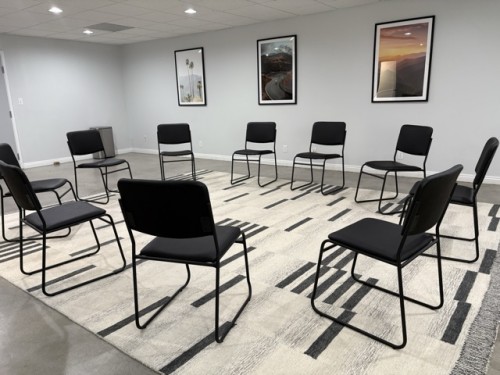
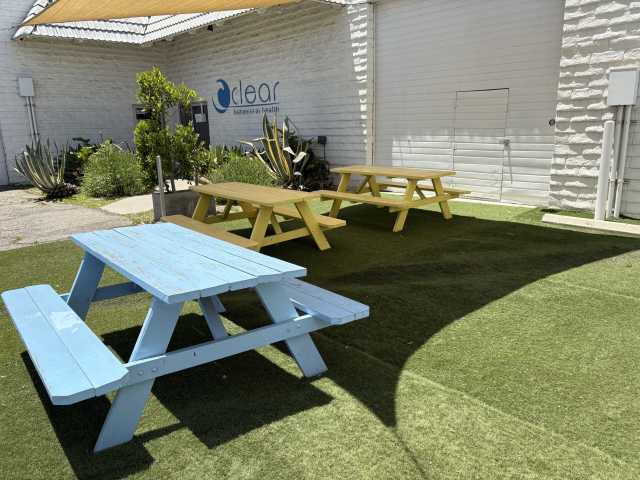
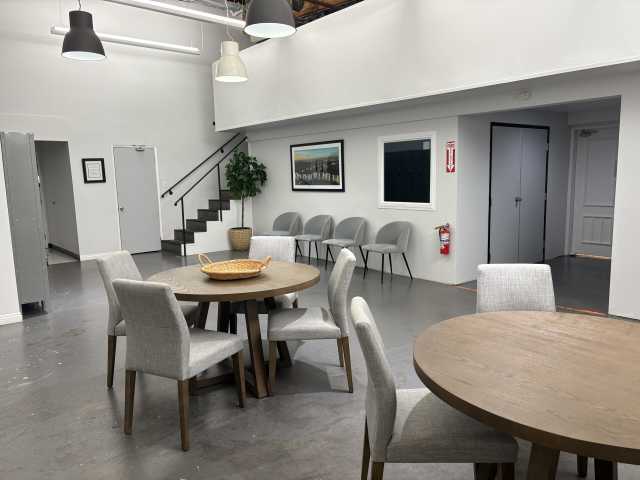
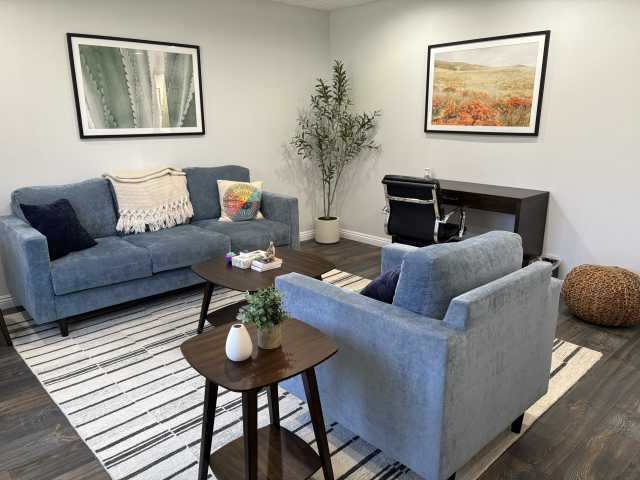
Clear Behavioral Health’s outpatient spaces feel approachable and human. At their facilities, clients find pianos, basketball courts, and relaxed yoga spaces. The environment is heavily community-focused, staffed by clinicians who bring personal experience to their clinical work. To remove as many barriers as possible, they offer immediate availability, blending in-person and online options, and insurance coverage so families can focus entirely on getting better.
Seamlessly Transition Back to Daily Life
Before clients leave Clear’s care, the team schedules and confirms that each client has outpatient therapy and psychiatric appointments within their very first week home. This eliminates the stressful gap where people often feel left adrift. On top of that, individuals get lifetime access to a warm, weekly alumni group where they can catch up with peers, celebrate wins, and stay grounded.
Center Overview
Treatment Focus
This center treats mental health conditions and co-occurring substance use. You receive collaborative, individualized treatment that addresses both issues for whole-person healing.
Joint Commission Accredited
The Joint Commission accreditation is a voluntary, objective process that evaluates and accredits healthcare organizations (like treatment centers) based on performance standards designed to improve quality and safety for patients. To be accredited means the treatment center has been found to meet the Commission's standards for quality and safety in patient care.
Insurance Accepted

Cash Pay Rates
Estimated Cash Pay Rate
Center pricing can vary based on program and length of stay. Contact the center for more information. Recovery.com strives for price transparency so you can make an informed decision.
Meet Your Care Team

Karissa Provost
Outpatient Mental Health Clinical Director
LMFT

Celina Serna
Outpatient Mental Health Program Director
LCSW

Dr. Martha B. Koo
Chief Medical Officer

Cait Scafati
Virtual Mental Health Clinical Director
MA, MSW, LCSW


Levels of Care
Your Care Options
Specializations
Adolescents
Teens receive the treatment they need for mental health disorders and addiction, with the added support of educational and vocational services.
Anxiety
Anxiety is a common mental health condition that can include excessive worry, panic attacks, physical tension, and increased blood pressure.
Depression
Symptoms of depression may include fatigue, a sense of numbness, and loss of interest in activities. This condition can range from mild to severe.
Who We Treat
Adolescents
Teens receive the treatment they need for mental health disorders and addiction, with the added support of educational and vocational services.
Men and Women
Men and women attend treatment for addiction in a co-ed setting, going to therapy groups together to share experiences, struggles, and successes.
Approaches
Evidence-Based
A combination of scientifically rooted therapies and treatments make up evidence-based care, defined by their measured and proven results.
Family Involvement
Providers involve family in the treatment of their loved one through family therapy, visits, or both–because addiction is a family disease.
Holistic
A non-medicinal, wellness-focused approach that aims to align the mind, body, and spirit for deep and lasting healing.
Personalized Treatment
The specific needs, histories, and conditions of individual patients receive personalized, highly relevant care throughout their recovery journey.
Therapies
1-on-1 Counseling
Patient and therapist meet 1-on-1 to work through difficult emotions and behavioral challenges in a personal, private setting.
Art Therapy
Visual art invites patients to examine the emotions within their work, focusing on the process of creativity and its gentle therapeutic power.
Cognitive Behavioral Therapy
Cognitive Behavioral Therapy helps people identify and change unhelpful thought patterns and behaviors that contribute to emotional distress.
Dialectical Behavior Therapy
Dialectical Behavior Therapy teaches skills for managing emotions, improving relationships, tolerating distress, and increasing mindfulness.
Experiential Therapy
With this approach, patients heal by doing. Therapists help patients process difficult emotions to speak, using guided activities like art or dance.
Family Therapy
Family therapy addresses group dynamics within a family system, with a focus on improving communication and interrupting unhealthy relationship patterns.
Group Therapy
Group therapy brings people together in a supportive setting to share experiences, develop skills, and work toward common goals.
Medication-Assisted Treatment
Combined with behavioral therapy, prescribed medications can enhance treatment by relieving withdrawal symptoms and focus patients on their recovery.
Meditation & Mindfulness
A practiced state of mind that brings patients to the present. It allows them to become fully aware of themselves, their feelings, and the present moment.
Languages
Conditions We Treat
ADHD, ADD
ADD and ADHD are neurodevelopmental conditions that affect attention, focus, organization, and impulse control, often impacting daily life, school, work, and relationships.
Anger
Although anger itself isn't a disorder, it can get out of hand. If this feeling interferes with your relationships and daily functioning, treatment can help.
Anxiety
Anxiety is a common mental health condition that can include excessive worry, panic attacks, physical tension, and increased blood pressure.
Bipolar
This mental health condition is characterized by extreme mood swings between depression, mania, and remission.
Burnout
Burnout entails mental and physical exhaustion, and leads to a severe lack of fulfillment. This condition is often caused by overwork.
Codependency
Codependency is a pattern of emotional dependence and controlling behavior. It's most common among people with addicted loved ones.
Depression
Symptoms of depression may include fatigue, a sense of numbness, and loss of interest in activities. This condition can range from mild to severe.
Gaming
Compulsive gaming is most often a problem for children and teens. The disorder can affect physical health, sleep, and the ability to focus at school.
Grief and Loss
Grief is a natural reaction to loss, but severe grief can interfere with your ability to function. You can get treatment for this condition.
Substances We Treat
Co-Occurring Disorders
A person with multiple mental health diagnoses, such as addiction and depression, has co-occurring disorders also called dual diagnosis.
Marijuana
Marijuana is a psychoactive substance derived from cannabis. It can affect mood, memory, coordination, and perception, with varying effects between individuals.
Nicotine
Nicotine is a highly addictive substance found in tobacco products and many vapes. It affects the brain, mood, and cardiovascular system. Treatment can help you stop using nicotine.
Psychedelics
Hallucinogenic drugs, like LSD, cause euphoria and increased sensory experiences. When used in an unprescribed manner, they can lead to depression and psychosis.
Smoking Cessation
Smoking cessation is the process of quitting tobacco or nicotine use through behavioral support, medication, lifestyle changes, or a combination of approaches.