Find Treatment By
Rehabs by Location


Learn
About Us
Recovery.com combines independent research with expert guidance on addiction and mental health treatment. Our mission is to help everyone find the best path to recovery through the most comprehensive, helpful network of treatment providers worldwide.
Advisory Council
Our advisory council brings together leaders in behavioral health, technology, and business. Their diverse expertise ensures our resources and product are innovative, evidence-based, and effective. They guide our mission as accomplished individuals dedicated to improving the landscape of addiction recovery and mental wellness.
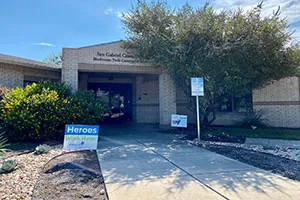


Bluebonnet Trails Georgetown San Gabriel Crisis Center
Bluebonnet Trails Georgetown San Gabriel Crisis Center
Bluebonnet Trails Georgetown San Gabriel Crisis Center
About Bluebonnet Trails Georgetown San Gabriel Crisis Center
Bluebonnet Trails’ San Gabriel Crisis Center in northeast Georgetown helps teens and adults who struggle with alcohol or substance use and those who experience mental health crises. They offer various levels of care, including intensive and supportive outpatient programs and crisis respite units. They personalize their care to fit individual needs to provide support for long-term recovery.
Resilience through Integrated Therapies
The center combines substance use support with mental health care on a personal recovery plan for each client. They offer interactive approaches like art and music therapy to help individuals express their emotions. Clients also actively participate in educational and skill-building groups, 1-on-1 counseling and peer interaction to learn healthy ways to cope and build stronger habits.
Urgent Support and Stabilization
They have a 16-bed crisis respite unit that operates 24/7 helping individuals and their families find stability and resolve crises. Their Diversion Center offers voluntary and involuntary admissions short-term stabilization care. A physician meets with each individual to ensure they receive the appropriate medication. Their Mobile Crisis Outreach Team provides 24/7 services wherever the crisis is occurring, be it at home, school, or in the community.
Center Overview

Supportive Medication for Recovery
Medication-Assisted Treatment (MAT) is an evidence-based approach that pairs FDA-approved medications with counseling to treat addiction. The medications are used to reduce cravings, ease withdrawal symptoms, or block the effects of substances. More about MAT
Methadone

Naltrexone
Buprenorphine



Note: Treatment centers offer different forms of MAT—such as oral tablets, dissolvable films, or monthly injections—and their policies can vary based on state regulations, provider preferences, and insurance coverage. Because of these differences, it's best to contact the center directly to learn what options are available and what might be right for your situation.
Insurance Accepted



Cash Pay Rates
Levels of Care

