At this center, you receive personalized care for mental health conditions. They provide therapy and tailor treatment to your unique needs, diagnoses, and preferences.
Offering intensive care with 24/7 monitoring, residential treatment is typically 30 days and can cover multiple levels of care. Length can range from 14 to 90 days typically.
Recovery.com has connected directly with this treatment provider to validate the information in their profile.
At this center, you receive personalized care for mental health conditions. They provide therapy and tailor treatment to your unique needs, diagnoses, and preferences.
Offering intensive care with 24/7 monitoring, residential treatment is typically 30 days and can cover multiple levels of care. Length can range from 14 to 90 days typically.
We are an approved provider for most insurance companies and managed care systems.
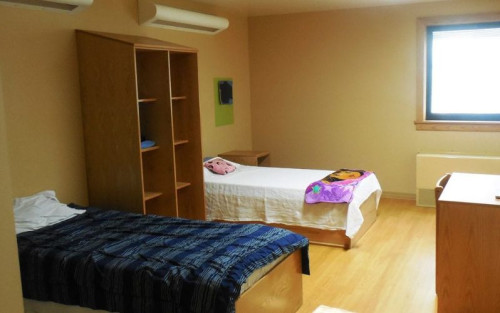
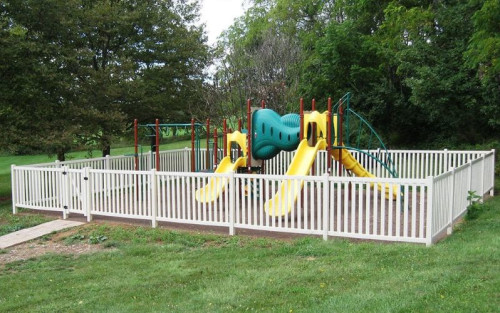
A private behavioral health care facility, The Meadows Psychiatric Center offers inpatient care for children, adolescents, and adults just minutes outside of State College. Located on a 52-acre campus in rural Pennsylvania, this 119-bed facility treats children, adolescents, and adults in age-specific programs.
Their programs are recovery oriented, and strengths based, emphasizing community and relationships as a pillar of their treatment. The Meadows meets patients where they are, offering individualized care plans focused on the patient’s personal goals. They welcome family involvement, acknowledging that family plays an important role in mental health. They also use pharmacotherapy when necessary.
The Meadows Psychiatric Center has licensed teachers, providing daily on-site instruction. They communicate with the child’s school at discharge to ensure a smooth transition and explain how they can continue to meet the child’s ongoing mental health needs. They will also coordinate care with referral sources and aftercare providers, helping set patients up for success after treatment.

At this center, you receive personalized care for mental health conditions. They provide therapy and tailor treatment to your unique needs, diagnoses, and preferences.
The Joint Commission accreditation is a voluntary, objective process that evaluates and accredits healthcare organizations (like treatment centers) based on performance standards designed to improve quality and safety for patients. To be accredited means the treatment center has been found to meet the Commission's standards for quality and safety in patient care.
Center pricing can vary based on program and length of stay. Contact the center for more information. Recovery.com strives for price transparency so you can make an informed decision.
ADHD is a common mental health condition caused by dopamine imbalance. Common symptoms include inattention, hyperactivitiy, and impulsivity.
Anxiety is a common mental health condition that can include excessive worry, panic attacks, physical tension, and increased blood pressure.
Symptoms of depression may include fatigue, a sense of numbness, and loss of interest in activities. This condition can range from mild to severe.
The act of intentionally harming oneself, also called self-injury, is associated with mental health issues like depression.
With suicidality, a person fantasizes about suicide, or makes a plan to carry it out. This is a serious mental health symptom.
Teens receive the treatment they need for mental health disorders and addiction, with the added support of educational and vocational services.
Treatment for children incorporates the psychiatric care they need and education, often led by on-site teachers to keep children on track with school.
Men and women attend treatment for addiction in a co-ed setting, going to therapy groups together to share experiences, struggles, and successes.
Medical addiction treatment uses approved medications to manage withdrawals and cravings, and to treat contributing mental health conditions.
The specific needs, histories, and conditions of individual patients receive personalized, highly relevant care throughout their recovery journey.
Providers using a strengths-based philosophy focus on the positive traits of their patients, creating a positive feedback loop that grows confidence.
Patient and therapist meet 1-on-1 to work through difficult emotions and behavioral challenges in a personal, private setting.
Animals can inspire trust and self-worth. In this experiential therapy, guided interactions are used to improve social skills and emotion regulation.
Visual art invites patients to examine the emotions within their work, focusing on the process of creativity and its gentle therapeutic power.
Friendly dogs provide a pleasant therapeutic experience, helping patients who've experienced trauma or separations build social and communication skills.
Creative processes like art, writing, or dance use inner creative desires to help boost confidence, emotional growth, and initiate change.
Family therapy addresses group dynamics within a family system, with a focus on improving communication and interrupting unhealthy relationship patterns.
Singing, performing, and even listening to music can be therapeutic. Music therapy sessions are facilitated by certified counselors.
This method combines treatment with education, teaching patients about different paths toward recovery. This empowers them to make more effective decisions.
Tending to spiritual health helps treatment become more effective, allowing patients to better cope with their emotions and rebuild their spiritual wellbeing.
ADHD is a common mental health condition caused by dopamine imbalance. Common symptoms include inattention, hyperactivitiy, and impulsivity.
Anxiety is a common mental health condition that can include excessive worry, panic attacks, physical tension, and increased blood pressure.
Symptoms of depression may include fatigue, a sense of numbness, and loss of interest in activities. This condition can range from mild to severe.
The act of intentionally harming oneself, also called self-injury, is associated with mental health issues like depression.
With suicidality, a person fantasizes about suicide, or makes a plan to carry it out. This is a serious mental health symptom.