Innercept Teen & Young Adult Mental Health Treatment
Verified Center
This provider's information has been quality-checked by Recovery.com's Research Team for accuracy and completeness, including center verification through appropriate third-party organizations.
Treatment Focus
This center treats mental health conditions and co-occurring substance use. You receive collaborative, individualized treatment that addresses both issues for whole-person healing.
Primary Level of Care
Offering intensive care with 24/7 monitoring, residential treatment is typically 30 days and can cover multiple levels of care. Length can range from 14 to 90 days typically.
Treatment Focus
This center treats mental health conditions and co-occurring substance use. You receive collaborative, individualized treatment that addresses both issues for whole-person healing.
Primary Level of Care
Offering intensive care with 24/7 monitoring, residential treatment is typically 30 days and can cover multiple levels of care. Length can range from 14 to 90 days typically.
Private Pay
You pay directly for treatment out of pocket. This approach can offer enhanced privacy and flexibility, without involving insurance. Exact costs vary based on program and length of stay. Contact the center for specific details.
Innercept Teen & Young Adult Mental Health Treatment
About Innercept Teen & Young Adult Mental Health Treatment
Innercept treats complex psychiatric issues and mental health concerns for adolescents 13-17 and young adults ages 18-28. With nearly 2 decades of experience, Innercept is committed to providing high-quality treatment to young people and their families. They also address any medical struggles that may not have been previously treated. By utilizing an integral-psychology approach, Innercept focuses on the whole person, effectively treating moderate to severe anxiety, bipolar disorder, panic disorder, adoption and attachment issues, autism, ADD/ADHD, eating disorders, and more. Our treatment program, accredited by The Joint Commission, requires a 90-day minimum stay and combines an evidence-based model with a scenic, natural environment, setting the stage for residents to learn new, healthy ways to function and flourish. Staffed by a team of licensed mental health experts, Innercept provides comprehensive medication management, individual therapy, family counseling, small group therapy settings, life skills training, health education, expressive art therapy, culinary classes, integral recovery work groups, and more. Innercept also has a fully accredited school on-site so adolescents and young adults can continue their studies while engaging in the program.
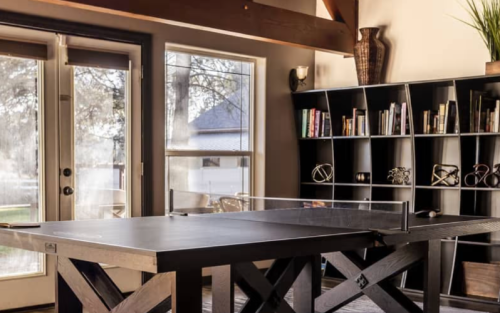
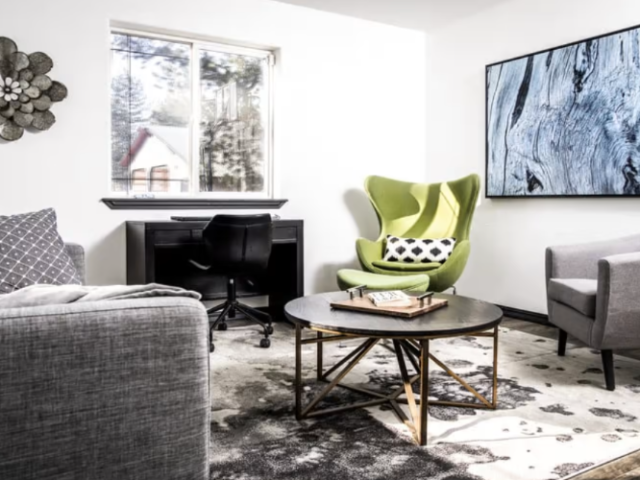
Innercept sits on the shores of a magnificent lake in Coeur d’Alene, Idaho, providing the ultimate combination of natural beauty and urban amenities. The family-friendly facility has been designed with the client's comfort in mind. The upscale lodge is warm and inviting, with exposed wood beams, natural decor, and cozy furniture. Residents share a room with one other person in a comfortable space. Outside the lodge, residents can enjoy plenty of green space for relaxing or reflecting.
Center Overview

Treatment Focus
This center treats mental health conditions and co-occurring substance use. You receive collaborative, individualized treatment that addresses both issues for whole-person healing.
Joint Commission Accredited
The Joint Commission accreditation is a voluntary, objective process that evaluates and accredits healthcare organizations (like treatment centers) based on performance standards designed to improve quality and safety for patients. To be accredited means the treatment center has been found to meet the Commission's standards for quality and safety in patient care.

Cash Pay Rates
Estimated Cash Pay Rate
Center pricing can vary based on program and length of stay. Contact the center for more information. Recovery.com strives for price transparency so you can make an informed decision.
Luxury rehab centers offer a unique blend of luxurious amenities and high-quality treatment. From private suites to gourmet dining, personal trainers to spa treatments, these facilities provide a high level of comfort and discretion.
Top 50 Rehabs in the World

Meet Your Care Team

John Drozd
Clinical Consultant
Clinical Consultant

Lynn Wierdsma
Clinical Director
PsyD

Edward Malewski
Psychiatrist
M.D.

Traci Feek
Therapist
EdD, NCSP, LPC

Justin Hughes
Therapist
M.S., LPC

Andrea Rice
Therapist
M.A., LCPC

Karen Romani
Therapist
PhD

Jennifer Schindler
Therapist
Ph.D.

Michelle Strigotte
Therapist
M.S., LPC

Christine Summering
Therapist
M.A., LPC

Steve Yates
Therapist
M.A., LMFT

Kimberly Gilbert
Therapist
B.S., M.B.A.

Yendi Labelle
Wellness Director
MSN, APRN, FNP-C

Barb Younger
Registered Nurse, Young Adult Transition and Ingage Programs
RN

Tamara Selent
Nurse, Adolescent Program
LPN

Travis Haen
Registered Dietician
B.S., M.S.

Chris Finch
Education Director
M.Ed.


Levels of Care
Your Care Options
Specializations
Adolescents
Teens receive the treatment they need for mental health disorders and addiction, with the added support of educational and vocational services.
Bipolar
This mental health condition is characterized by extreme mood swings between depression, mania, and remission.
Depression
Symptoms of depression may include fatigue, a sense of numbness, and loss of interest in activities. This condition can range from mild to severe.
Eating Disorders
An eating disorder is a long-term pattern of unhealthy behavior relating to food. Most people with eating disorders have a distorted self-image.
Young Adults
Emerging adults ages 18-25 receive treatment catered to the unique challenges of early adulthood, like college, risky behaviors, and vocational struggles.
Who We Treat
Adolescents
Teens receive the treatment they need for mental health disorders and addiction, with the added support of educational and vocational services.
Young Adults
Emerging adults ages 18-25 receive treatment catered to the unique challenges of early adulthood, like college, risky behaviors, and vocational struggles.
Approaches
Evidence-Based
A combination of scientifically rooted therapies and treatments make up evidence-based care, defined by their measured and proven results.
Family Involvement
Providers involve family in the treatment of their loved one through family therapy, visits, or both–because addiction is a family disease.
Holistic
A non-medicinal, wellness-focused approach that aims to align the mind, body, and spirit for deep and lasting healing.
Personalized Treatment
The specific needs, histories, and conditions of individual patients receive personalized, highly relevant care throughout their recovery journey.
Therapies
1-on-1 Counseling
Patient and therapist meet 1-on-1 to work through difficult emotions and behavioral challenges in a personal, private setting.
Acceptance and Commitment Therapy (ACT)
This cognitive behavioral therapy teaches patients to accept challenging feelings and make the appropriate changes to reach personal goals.
Animal Therapy
Animals can inspire trust and self-worth. In this experiential therapy, guided interactions are used to improve social skills and emotion regulation.
Experiential Therapy
With this approach, patients heal by doing. Therapists help patients process difficult emotions to speak, using guided activities like art or dance.
Eye Movement Therapy (EMDR)
Lateral, guided eye movements help reduce the emotional reactions of retelling and reprocessing trauma, allowing intense feelings to dissipate.
Family Therapy
Family therapy addresses group dynamics within a family system, with a focus on improving communication and interrupting unhealthy relationship patterns.
Languages
Conditions We Treat
ADHD, ADD
ADHD is a common mental health condition caused by dopamine imbalance. Common symptoms include inattention, hyperactivitiy, and impulsivity.
Anger
Although anger itself isn't a disorder, it can get out of hand. If this feeling interferes with your relationships and daily functioning, treatment can help.
Anxiety
Anxiety is a common mental health condition that can include excessive worry, panic attacks, physical tension, and increased blood pressure.
Bipolar
This mental health condition is characterized by extreme mood swings between depression, mania, and remission.
Codependency
Codependency is a pattern of emotional dependence and controlling behavior. It's most common among people with addicted loved ones.
Depression
Symptoms of depression may include fatigue, a sense of numbness, and loss of interest in activities. This condition can range from mild to severe.
Internet Addiction
Internet addiction is common among children teens. This compulsive disorder can damage relationships, school performance, sleep habits, and physical health.
Obsessive Compulsive Disorder (OCD)
OCD is characterized by intrusive and distressing thoughts that drive repetitive behaviors. This pattern disrupts daily life and relationships.
Personality Disorders
Personality disorders destabilize the way a person thinks, feels, and behaves. If untreated, they can undermine relationships and lead to severe distress.
Substances We Treat
Co-Occurring Disorders
A person with multiple mental health diagnoses, such as addiction and depression, has co-occurring disorders also called dual diagnosis.
Aftercare
Care Designed for Your Needs
Personal Amenities
Amenities
Special Considerations
Young Adults Program
Programs for young adults bring teens 18+ together to discuss age-specific challenges, vocational and educational progress, and successes in treatment.
Center Pets
Addiction and mental health facilities with pets allow patients to interact with friendly dogs, cats, horses, and in some cases, even dolphins.