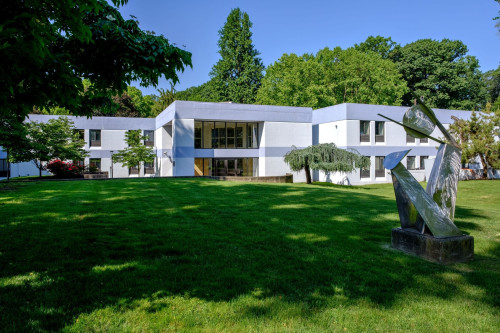
Friends Hospital

Mental Health

Treatment Focus

This center treats mental health conditions and co-occurring substance use. You receive collaborative, individualized treatment that addresses both issues for whole-person healing.

Hospital

Primary Level of Care

Provides 24/7 medical supervision and intensive treatment in a clinical setting for individuals in crisis or with acute needs, focusing on stabilization and immediate safety

1.9
(382)
Unclaimed

This provider hasn't verified their profile's information. Are you the owner of this center? Claim your listing to better manage your presence on Recovery.com.

Insurance

Provider's Policy

Friends Hospital accepts almost all major health insurance plans. To determine if Friends Hospital is in network with a specific insurance provider, please call the admissions department. Due to federal regulations, Friends Hospital is can't accept New Jersey Medicaid for adult patients aged 21-64.

Friends Hospital in Northeast Philadelphia treats depression, trauma, anxiety, suicidality, co-occurring substance use disorders (SUD), and severe mental illnesses. It serves adults ages 18-65, older adults 65+, and individuals with complex needs through inpatient stabilization with 24/7 medical supervision, as well as residential care. Founded in 1813, it is known for its recovery-oriented model and peaceful 100-acre campus.

Daily Treatment and Clinical Care

Each day follows a set schedule with group therapy, 1-on-1 sessions, and check-ins with the treatment team. Patients meet with psychiatrists, nurses, and therapists to adjust medications, review progress, and set practical goals. Some programs include expressive therapy and life skills work, especially for those in longer-term residential care.

Living Environment and Discharge Planning

Patients stay in private or shared rooms and have access to common areas and outdoor courtyards. Family members may join education sessions to understand the patient’s needs and next steps. Before discharge, staff arrange follow-up care, connect patients to outpatient providers, and help plan a return to daily routines.

AT A GLANCE

Center Overview

Location
4641 Roosevelt Blvd., Philadelphia, PA 19124 View Map
Primary Focus
This center treats mental health conditions and co-occurring substance u...

Treatment Focus

This center treats mental health conditions and co-occurring substance use. You receive collaborative, individualized treatment that addresses both issues for whole-person healing.

Accreditation
Joint Commission

Joint Commission Accredited

The Joint Commission accreditation is a voluntary, objective process that evaluates and accredits healthcare organizations (like treatment centers) based on performance standards designed to improve quality and safety for patients. To be accredited means the treatment center has been found to meet the Commission's standards for quality and safety in patient care.

Typical Program Length
10+ days
Founded in 1813
213 years in business
Conditions We Treat
Anxiety, Depression, Self-Harm, Stress +1 More
Substance Use We Treat
Co-Occurring Disorders
How to pay

Insurance Accepted

Provider's Policy: Friends Hospital accepts almost all major health insurance plans. To determine if Friends Hospital is in network with a specific insurance provider, please call the admissions department. Due to federal regulations, Friends Hospital is can't accept New Jersey Medicaid for adult patients aged 21-64.
(215) 831-4600
Private Pay Option

Cash Pay Rates

Estimated Cash Pay Rate

Center pricing can vary based on program and length of stay. Contact the center for more information. Recovery.com strives for price transparency so you can make an informed decision.

We don't have pricing information for this center. Please contact the center for more information.
Care Options

Levels of Care

Mental health care includes a range of services such as counseling, therapy, medication management, and support groups, all designed to address issues from everyday stress and anxiety to more severe conditions like depression and schizophrenia. These practices are essential for helping individuals manage their emotions, improve their relationships, and navigate life's challenges in healthier, more adaptive ways.
Residential
Intensive monitoring and care for conditions like depression, trauma, suicidality, and anxiety. Residential mental health facilities offer a safe setting with activities and structure, plus opportunities to practice life skills and bond with peers.
Outpatient
Not Offered at This Center
Outpatient treatment offers flexible therapeutic and medical care without the need to stay overnight in a hospital or inpatient facility. Outpatient care typically offers a range of therapies and medical interventions individuals can attend alongside daily life.
Virtual & In-Home Care
Not Offered at This Center
The delivery of therapeutic services utilizing technology such as video conferencing, online messaging or phone calls, allowing for flexibility, comfort and increased access to care.
Intensive Inpatient
The highest level of care, medically managed with 24-hour nursing and physician care in a residential or medically-based setting, and can include any combination of medication, counseling and therapy.
Licensed Primary Mental Health
Licensed primary mental health facilities provide specialized care for diagnosing and treating mental health conditions. By offering early intervention and comprehensive services, they promote overall well-being and prevent long-term complications.
Co-Occurring Substance Use
Substance use disorders often occur alongside primary mental health conditions. Programs for co-occurring substance use disorders focus on both conditions, tailoring treatment for comprehensive recovery.
Treatment

Your Care Options

Specializations

Older Adults

Older Adults

Addiction and mental health treatment caters to adults 55+ and the age-specific challenges that can come with recovery, wellness, and overall happiness.

Co-Occurring Disorders

Co-Occurring Disorders

A person with multiple mental health diagnoses, such as addiction and depression, has co-occurring disorders also called dual diagnosis.

Depression

Depression

Symptoms of depression may include fatigue, a sense of numbness, and loss of interest in activities. This condition can range from mild to severe.

LGBTQ+

LGBTQ+

Addiction and mental illnesses in the LGBTQ+ community must be treated with an affirming, safe, and relevant approach, which many centers provide.

Suicidality

Suicidality

With suicidality, a person fantasizes about suicide, or makes a plan to carry it out. This is a serious mental health symptom.

Who We Treat

Men
Women
Older Adults

Older Adults

Addiction and mental health treatment caters to adults 55+ and the age-specific challenges that can come with recovery, wellness, and overall happiness.

LGBTQ+

LGBTQ+

Addiction and mental illnesses in the LGBTQ+ community must be treated with an affirming, safe, and relevant approach, which many centers provide.

Men and Women

Men and Women

Men and women attend treatment for addiction in a co-ed setting, going to therapy groups together to share experiences, struggles, and successes.

Approaches

Family Involvement

Family Involvement

Providers involve family in the treatment of their loved one through family therapy, visits, or both–because addiction is a family disease.

Medical

Medical

Medical addiction treatment uses approved medications to manage withdrawals and cravings, and to treat contributing mental health conditions.

Personalized Treatment

Personalized Treatment

The specific needs, histories, and conditions of individual patients receive personalized, highly relevant care throughout their recovery journey.

Strengths-Based

Strengths-Based

Providers using a strengths-based philosophy focus on the positive traits of their patients, creating a positive feedback loop that grows confidence.

Therapies

1-on-1 Counseling

1-on-1 Counseling

Patient and therapist meet 1-on-1 to work through difficult emotions and behavioral challenges in a personal, private setting.

Expressive Arts

Expressive Arts

Creative processes like art, writing, or dance use inner creative desires to help boost confidence, emotional growth, and initiate change.

Family Therapy

Family Therapy

Family therapy addresses group dynamics within a family system, with a focus on improving communication and interrupting unhealthy relationship patterns.

Group Therapy
Life Skills

Life Skills

Teaching life skills like cooking, cleaning, clear communication, and even basic math provides a strong foundation for continued recovery.

Psychoeducation

Psychoeducation

This method combines treatment with education, teaching patients about different paths toward recovery. This empowers them to make more effective decisions.

Languages

English

Conditions We Treat

Anxiety

Anxiety

Anxiety is a common mental health condition that can include excessive worry, panic attacks, physical tension, and increased blood pressure.

Depression

Depression

Symptoms of depression may include fatigue, a sense of numbness, and loss of interest in activities. This condition can range from mild to severe.

Self-Harm

Self-Harm

The act of intentionally harming oneself, also called self-injury, is associated with mental health issues like depression.

Stress

Stress

Stress is a natural reaction to challenges, and it can even help you adapt. However, chronic stress can cause physical and mental health issues.

Suicidality

Suicidality

With suicidality, a person fantasizes about suicide, or makes a plan to carry it out. This is a serious mental health symptom.

Substances We Treat

Co-Occurring Disorders

Co-Occurring Disorders

A person with multiple mental health diagnoses, such as addiction and depression, has co-occurring disorders also called dual diagnosis.

Aftercare

Follow-up Sessions (in-person)
Experience

Care Designed for Your Needs

Personal Amenities

Air-Conditioned Rooms
Outdoor Space (connected to room)
Private or Shared Rooms

Amenities

Armchair or Sofa
Outdoor Lounge
TV

Special Considerations

Family Program
LGBTQ group

LGBTQ group

Group therapy unites LGBTQ+ patients in a safe and culturally competent setting, encouraging peer support under the expert leadership of a therapist.

Wheelchair Accessible

Smoking and Vaping Policy

Smoking Not Allowed
Vaping Not Allowed
Frequently Asked Questions

Further Research

The following therapies are included: group therapy, 1-on-1 counseling and more.
Philadelphia, Pennsylvania, United States.
Friends Hospital accepts almost all major health insurance plans. To determine if Friends Hospital is in network with a specific insurance provider, please call the admissions department. Due to federal regulations, Friends Hospital is can't accept New Jersey Medicaid for adult patients aged 21-64.
The typical length is 10+ days.
Friends Hospital provides intensive inpatient, licensed primary mental health and more.

Explore More

Easily search by condition, location, and other programs tailored to meet your needs.