





















More About Sober Living Homes
A sober living home is a substance-free residence that helps people maintain recovery while transitioning back to everyday life. Also known as recovery housing, sober living provides a structured environment where residents can build healthy routines, develop independence, and connect with others who share similar recovery goals.1
Many people move into sober living after completing inpatient addiction treatment, while others live in sober housing while attending outpatient care. Although every residence is different, many sober living homes emphasize accountability, peer support, and a recovery-focused living environment that helps residents strengthen the skills needed for long-term recovery.1
Who Sober Living May Help
Sober living may be a good fit for:
- People transitioning out of inpatient or residential addiction treatment.
- Individuals participating in outpatient treatment programs
- Those who want a substance-free living environment
- People who do not have a stable or supportive home environment
- People who want additional accountability, structure, and support before returning to fully independent living
Because recovery is highly individual, the right level of support depends on each person's recovery goals, living situation, and treatment needs.2
How Sober Living Works
Sober living homes provide a structured setting where residents can focus on recovery while gradually returning to work, school, family responsibilities, and other daily activities. Many sober living homes have expectations designed to support addiction recovery, such as maintaining abstinence, participating in household responsibilities, and following community guidelines.1
Depending on the sober living home, residents may also attend recovery meetings, participate in mandatory house meetings, participate in treatment, maintain employment, or engage in other recovery-supportive activities. While sober living homes do not typically provide the same clinical services as addiction treatment programs, they can serve as an important bridge between treatment and independent living.1
Accommodations for Sober Living
Accommodations at sober living homes vary depending on the residence, location, and level of support offered. Common features include:
- Private or shared bedrooms
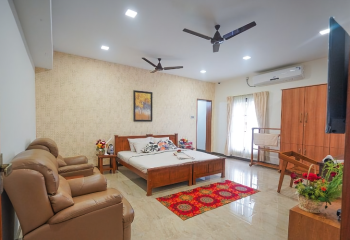
- Furnished common areas, bathrooms, and kitchen spaces
- On-site staff or a house manager who oversees daily operations and supports resident wellbeing
- Access to recovery resources such as peer support, 12-Step meetings, or referrals to counseling and outpatient programs
More structured or higher-end homes may offer additional amenities such as fitness facilities, private bathrooms, or transportation assistance. When comparing options, it can help to ask each home directly about what is included in the cost of stay.
Effectiveness of Sober Living Homes
Research supports sober living as an effective tool for people in recovery. A peer-reviewed study tracking 300 residents across multiple sober living homes over 18 months found significant improvement in substance use, employment, and arrests over time. Those improvements were sustained throughout the follow-up period, suggesting that sober living provides benefits that extend beyond the time spent in the home.3
Recovery residences are also associated with better retention in outpatient treatment programs. People who live in sober housing while attending outpatient care tend to stay engaged in treatment longer than those without structured housing support.1
While individual outcomes vary, the overall evidence base indicates that sober living homes can play a meaningful role in supporting long-term recovery, particularly when residents remain for an extended period and actively engage with peer support and community resources.
Related Recovery Support Options
Depending on your needs, you may also want to explore:
- Medical detox
- Inpatient rehab
- Outpatient treatment
- Intensive outpatient programs (IOP)
- Partial hospitalization programs (PHP)
- Aftercare
- Medications for addiction treatment
- Support groups
Many people combine multiple recovery supports and participation in different levels of care as part of a comprehensive recovery plan.2
Sources:
- Substance Abuse and Mental Health Services Administration. (2023). Best practices for recovery housing (Publication No. PEP23-10-00-002). U.S. Department of Health and Human Services, Office of Recovery.
- National Institute on Drug Abuse. (2018). Principles of drug addiction treatment: A research-based guide (3rd ed.). National Institutes of Health, U.S. Department of Health and Human Services.
- Polcin, D. L., Korcha, R. A., Bond, J., & Galloway, G. (2010). Sober living houses for alcohol and drug dependence: 18-month outcomes. Journal of Substance Abuse Treatment, 38(4), 356–365.