This center treats substance use disorders and mental health conditions. You'll receive individualized care catered to your unique situation and diagnosis, learn practical skills for recovery, and make new connections in a restorative environment.
Outpatient treatment offers flexible therapeutic and medical care without the need to stay overnight in a hospital or inpatient facility. Some centers offer intensive outpatient program (IOP), which falls between inpatient care and traditional outpatient service.
This provider hasn't verified their profile's information. Are you the owner of this center? Claim your listing to better manage your presence on Recovery.com.
This center treats substance use disorders and mental health conditions. You'll receive individualized care catered to your unique situation and diagnosis, learn practical skills for recovery, and make new connections in a restorative environment.
Outpatient treatment offers flexible therapeutic and medical care without the need to stay overnight in a hospital or inpatient facility. Some centers offer intensive outpatient program (IOP), which falls between inpatient care and traditional outpatient service.
Dr. Paul’s By The Sea can accept many different insurance plans. They accept insurance payments up front in full or as partial payments. For plans that do not pay the cost of treatment in full, patients can provide a deposit or copayment. They can sometimes obtain single case agreements.
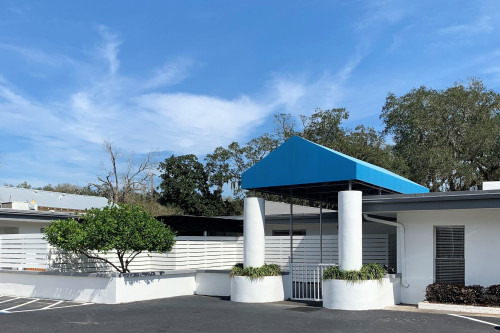
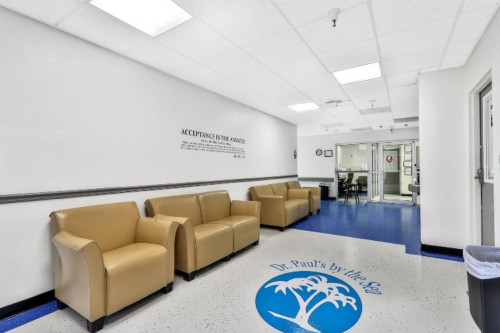
Dr. Paul's By The Sea is a program that provides detox, inpatient, and outpatient treatment for veterans with addiction and mental health disorders. Located in St. Augustine, Florida, the facility caters to each client's needs using evidence-based treatments. The program is accredited by the Joint Commission and Veteran Affairs.
Dr. Paul's By The Sea provides a highly structured environment for recovery. For clients struggling with drug addiction, medication-assisted treatment (MAT) is provided to ease the symptoms of withdrawal. Other treatment methods include individual and group therapy, cognitive behavioral therapy (CBT), Gestalt therapy, eye movement therapy (EMDR), and mindfulness practices such as yoga and meditation. Their care team understands the unique challenges and trauma that veterans face and is dedicated to providing the necessary care for those struggling with post-traumatic stress disorder (PTSD), anxiety, depression, and personality disorders.
Dr. Paul's By The Sea accepts TRICARE in addition to most commercial insurance plans. Their team works to ensure that active-duty service members, veterans, and their beneficiaries are covered.
This center treats substance use disorders and mental health conditions. You'll receive individualized care catered to your unique situation and diagnosis, learn practical skills for recovery, and make new connections in a restorative environment.

Center pricing can vary based on program and length of stay. Contact the center for more information. Recovery.com strives for price transparency so you can make an informed decision.
Using alcohol as a coping mechanism, or drinking excessively throughout the week, signals an alcohol use disorder.
Drug addiction is the excessive and repetitive use of substances, despite harmful consequences to a person's life, health, and relationships.
Patients who completed active military duty receive specialized treatment focused on trauma, grief, loss, and finding a new work-life balance.
Men and women attend treatment for addiction in a co-ed setting, going to therapy groups together to share experiences, struggles, and successes.
Patients who completed active military duty receive specialized treatment focused on trauma, grief, loss, and finding a new work-life balance.
A combination of scientifically rooted therapies and treatments make up evidence-based care, defined by their measured and proven results.
Individual care meets the needs of each patient, using personalized treatment to provide them the most relevant care and greatest chance of success.
Medical addiction treatment uses approved medications to manage withdrawals and cravings, and to treat contributing mental health conditions.
Patient and therapist meet 1-on-1 to work through difficult emotions and behavioral challenges in a personal, private setting.
A practiced state of mind that brings patients to the present. It allows them to become fully aware of themselves, their feelings, and the present moment.
This form of talk therapy addresses any childhood trauma at the root of a patient's current diagnosis.
Lateral, guided eye movements help reduce the emotional reactions of retelling and reprocessing trauma, allowing intense feelings to dissipate.
Family therapy addresses group dynamics within a family system, with a focus on improving communication and interrupting unhealthy relationship patterns.
This treatment teaches self-awareness, interrupts negative thought patterns, and gives patients insight into how their environment impacts mental health.
Combined with behavioral therapy, prescribed medications can enhance treatment by relieving withdrawal symptoms and focus patients on their recovery.
Muscle relaxation techniques relax mind and body. They can easily be practiced outside treatment, making it a valuable coping tool for continued recovery.
Personality disorders destabilize the way a person thinks, feels, and behaves. If untreated, they can undermine relationships and lead to severe distress.
Anxiety is a common mental health condition that can include excessive worry, panic attacks, physical tension, and increased blood pressure.
This mental health condition is characterized by extreme mood swings between depression, mania, and remission.
Symptoms of depression may include fatigue, a sense of numbness, and loss of interest in activities. This condition can range from mild to severe.
With suicidality, a person fantasizes about suicide, or makes a plan to carry it out. This is a serious mental health symptom.
Some traumatic events are so disturbing that they cause long-term mental health problems. Those ongoing issues can also be referred to as "trauma."
Using alcohol as a coping mechanism, or drinking excessively throughout the week, signals an alcohol use disorder.
Benzodiazepines are prescribed to treat anxiety and sleep issues. They are highly habit forming, and their abuse can cause mood changes and poor judgement.
Drug addiction is the excessive and repetitive use of substances, despite harmful consequences to a person's life, health, and relationships.
Opioids produce pain-relief and euphoria, which can lead to addiction. This class of drugs includes prescribed medication and the illegal drug heroin.
Yoga is both a physical and spiritual practice. It includes a flow of movement, breathing techniques, and meditation.