Find Treatment By
Rehabs by Location


Learn
About Us
Recovery.com combines independent research with expert guidance on addiction and mental health treatment. Our mission is to help everyone find the best path to recovery through the most comprehensive, helpful network of treatment providers worldwide.
Advisory Council
Our advisory council brings together leaders in behavioral health, technology, and business. Their diverse expertise ensures our resources and product are innovative, evidence-based, and effective. They guide our mission as accomplished individuals dedicated to improving the landscape of addiction recovery and mental wellness.
How to Stop Marijuana Cravings, Prevent Relapse and Find Help


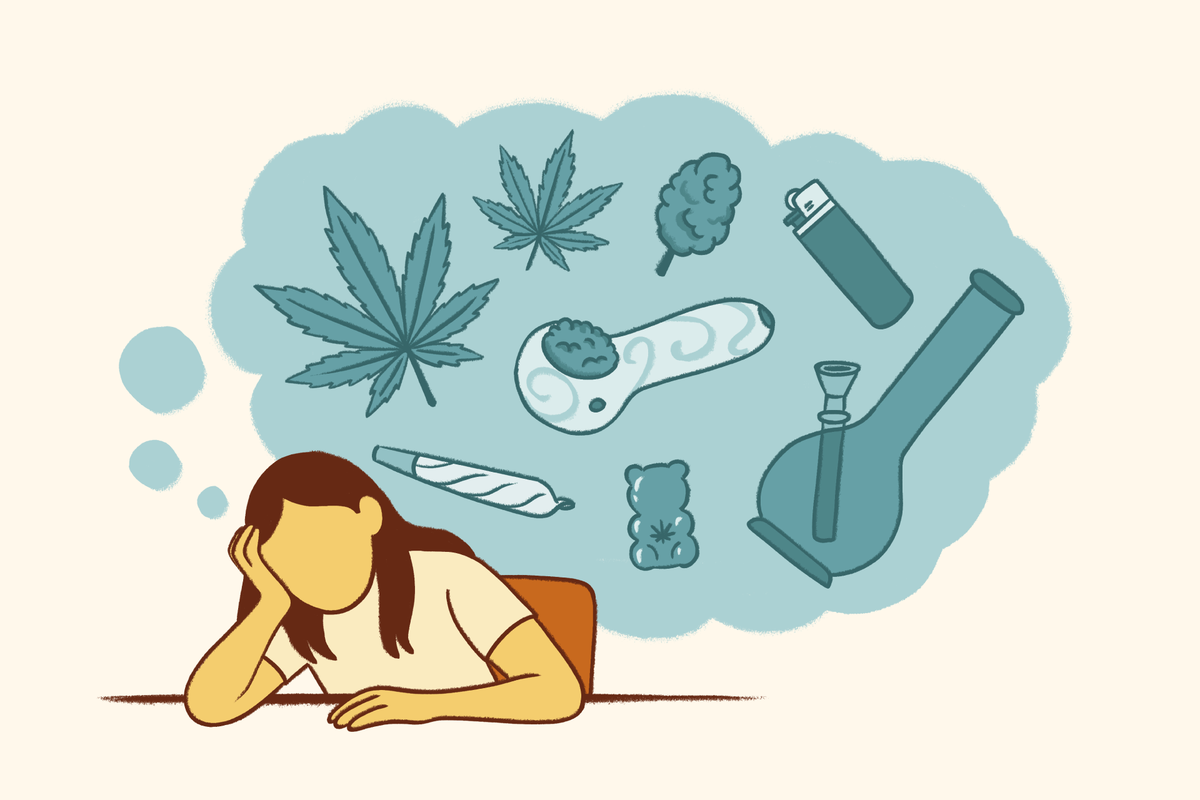
Quitting marijuana after regular use can lead to persistent thoughts and strong urges to use it again. Cravings are characterized by a strong urge or desire to use a drug. Marijuana cravings can feel intrusive and persistent, especially early in recovery, and some people may feel that using marijuana is the only way to find relief.
Cravings are a common symptom of marijuana withdrawal, but experiencing them doesn’t mean relapse is inevitable. Effective coping strategies and treatment support can help people manage marijuana cravings, reduce the risk of relapse, and support long-term recovery.
Signs and Symptoms of Marijuana Cravings
People who use marijuana regularly or over a long period may develop cannabis use disorder (CUD) and experience cravings or other withdrawal symptoms when they cut back or quit.1 Marijuana cravings can vary from person to person and may involve both mental and physical experiences.
Common signs and symptoms of marijuana cravings may include:1,2,3
- A strong desire to use marijuana, which may feel difficult to ignore or become the focus of a person’s thoughts.
- Persistent thoughts about marijuana, including thinking about when or where to use it again.
- Feeling like marijuana will provide relief, particularly from uncomfortable emotions or other withdrawal symptoms.
- Urges triggered by certain cues, such as being in places where marijuana was previously used, spending time with people who use it, or reaching a time of day associated with past use.
- Cravings alongside other withdrawal symptoms, such as irritability, anxiety, restlessness, sleep changes, and changes in appetite.
Cravings may be related to changes in the brain that develop with regular, long-term cannabis use. Some of these changes gradually begin to reverse after a person stops using cannabis.3 Withdrawal-related cravings can also increase the risk of returning to marijuana use, making them an important symptom to recognize and manage during recovery.
What Happens in the Brain During Marijuana Cravings
Marijuana cravings involve both physical and psychological processes. Regular marijuana use can affect brain systems involved in reward, motivation, emotion, and learned behaviors, which may help explain why certain cues can trigger strong urges to use marijuana.1
Functional magnetic resonance imaging (fMRI) studies have found that exposure to marijuana-related cues, such as seeing a pipe or rolling papers, can activate several brain regions associated with cravings. These include:4
- Ventral tegmental area (VTA): Plays an important role in the brain’s reward system, motivation, and reinforcement of behaviors.
- Thalamus: Helps process and relay sensory information throughout the brain.
- Amygdala: Involved in emotional processing and learned associations between certain cues or situations and marijuana use.
Other imaging research suggests that long-term marijuana use may affect areas involved in memory and learning, including the hippocampus.5 Research has also found similarities between the brain processes involved in marijuana cravings and cravings for other substances, including alcohol, cocaine, and heroin.4
These brain processes may help explain why people, places, objects, or situations associated with past marijuana use can trigger cravings, even after someone has stopped using marijuana. Cravings may be especially uncomfortable during early withdrawal, when they can occur alongside other physical and psychological symptoms.6
Find The Perfect Treatment For You
Answer a few questions and we'll match you with the best options.
What Are You Struggling With?
What Kind of Care Do You Need?
What Insurance Do You Have?
When Do Marijuana Cravings Start?
Marijuana cravings, and other symptoms of withdrawal, can begin within 24–72 hours after a person stops using marijuana. Symptoms often peak within the first week and may continue for another 1–2 weeks.1
The timing and intensity of cravings vary from person to person. Factors such as how often, how long, and how much marijuana a person has used can influence withdrawal symptoms, with heavier and more prolonged use generally associated with more intense cravings and withdrawal symptoms.1
Explore Marijuana Treatment Centers
Marijuana Craving Duration & Withdrawal Timeline
Marijuana cravings often occur as part of cannabis withdrawal, which can begin after someone who regularly uses marijuana stops or significantly reduces their use. The timing and severity of withdrawal can vary depending on factors such as how frequently and how much marijuana a person used.1
While everyone’s experience is different, marijuana withdrawal generally follows this timeline:1
- Within 24–48 hours: Withdrawal symptoms may begin, including marijuana cravings, irritability, anxiety, restlessness, decreased appetite, and sleep difficulties.
- Days 2–5: Withdrawal symptoms often reach their peak during the first week after stopping marijuana. Cravings may be particularly noticeable during this period.
- Within 1–2 weeks: Many withdrawal symptoms begin to improve, although some symptoms may continue for several weeks.
- After several weeks: Cravings, sleep difficulties, or other symptoms may persist for some people, particularly after frequent or heavy marijuana use. Cravings can also reappear later in response to stress or triggers.
How Long Do Weed Cravings Last?
Weed cravings are often strongest during the first two weeks after stopping marijuana, but there is no single timeline for how long they last. For some people, occasional cravings may continue for months or even longer after quitting, although they generally become less frequent and intense over time.7
Cravings can also return after a period of abstinence, particularly in response to stress or other triggers. Major life events, such as the loss of a loved one or a job, may bring on renewed urges to use marijuana.8
How long and how intensely someone experiences cravings can depend in part on their previous marijuana use. People who have used marijuana more frequently, in larger amounts, or for a longer period may experience stronger cravings and other withdrawal symptoms.1
Marijuana Cravings After Being Sober
Marijuana cravings can occur even after a person has stopped using for an extended period. When marijuana was previously used to cope with stress or difficult emotions, adjusting to healthier coping skills and resources can take time and practice. Learning to respond to cravings without using marijuana can become easier as these new coping strategies become more familiar.
Cannabis use disorder can follow a relapsing and remitting course, meaning periods without marijuana use may be followed by a return to use.8 A period of sobriety does not necessarily mean that cravings will disappear completely.
Cravings may return or persist for several reasons, including:4
- Established patterns of marijuana use. Behaviors that have become habitual over time can be difficult to change.
- Changes in the brain’s reward system. Marijuana affects brain pathways involved in reward and reinforcement, which can contribute to continued urges to use.
- Environmental triggers. Places, people, music, activities, or other cues associated with past marijuana use may bring on cravings, even after a period of abstinence.
- Remembering the perceived benefits of marijuana. Over time, someone may focus more on the pleasurable or desirable effects they associated with marijuana while overlooking the negative consequences of their use.
- Difficult emotions or stress. Some people use marijuana to cope with anxiety, depression, stress, or other uncomfortable feelings. When those feelings arise during recovery, they may trigger an urge to use marijuana again.
Although marijuana cravings can persist or reappear during recovery, they often become more manageable over time. Practicing evidence-based coping and relapse prevention strategies can help people respond to urges without using marijuana and build confidence in their ability to manage future cravings.
Detoxing From Weed and Withdrawal Risks
Stopping marijuana after regular or prolonged use can cause a range of physical and psychological withdrawal symptoms:1
- Aggression.
- Anxiety.
- Depression.
- Loss of appetite.
- Weight loss.
- Irritability.
- Tremors.
- Lack of sleep.
- Stomach problems.
Marijuana Withdrawal Timeline
Cravings are also a common part of marijuana withdrawal and may be particularly intense during the early stages of quitting. For people who use marijuana heavily or regularly, withdrawal symptoms typically begin within 1–3 days after stopping and are often most intense during the first week.1
Many marijuana withdrawal symptoms improve within about two weeks, although the timeline varies from person to person.2 Some symptoms, particularly sleep disturbances and cravings, may last longer or occasionally reappear after the acute withdrawal period has ended.3














Strategies for Managing Marijuana Cravings
Intense cravings can make it more difficult to avoid returning to marijuana use and may increase the risk of marijuana relapse. Relapse prevention strategies used in cognitive behavioral therapy (CBT) can help people recognize triggers, manage cravings, and develop healthier ways to respond to urges to use marijuana:9
- Challenge beliefs about cannabis cravings. Understanding that cravings are a common part of withdrawal and recovery can make them feel less overwhelming. Rather than viewing a craving as a failure or something to feel guilty about, try to recognize it as a temporary experience that can be managed without using marijuana.
- Remember that you can choose how to respond. Cravings can create strong physical sensations, thoughts, and emotions, but experiencing an urge does not mean you have to act on it. Recognizing the difference between having a craving and responding to one can help you feel more in control.
- Practice urge surfing. Urge surfing is a mindfulness technique that involves imagining a craving like a wave that gradually builds, peaks, and eventually passes. Rather than trying to fight the craving, you observe the sensations and allow them to rise and fall without acting on the urge to use marijuana.
- Try delay and distraction techniques. When a craving feels intense, temporarily shifting your attention to another activity, such as watching a show, reading, exercising, or completing a task, may help you get through the urge. You can also set a period of time to delay acting on the craving and reassess how you feel afterward. Cravings often change in intensity over time.
Coping With Physical Symptoms of Craving Weed
Marijuana cravings may be particularly noticeable during the first few weeks after quitting, when other withdrawal symptoms can also occur.2,5 Learning to manage these symptoms may make it easier to cope with cravings and feel more comfortable during early recovery.
- Sleep hygiene: Difficulty sleeping is common after quitting marijuana, particularly for people who previously used it to help them sleep. Healthy sleep habits, such as exercising regularly, limiting caffeine later in the day, and reducing screen time before bed, may help. Relaxation techniques such as meditation and deep breathing may also make it easier to wind down at night. Consider talking to a healthcare professional when sleep problems are persistent or significantly interfere with daily life.
- Deep breathing and relaxation: Irritability can make it more difficult to respond calmly to stressful situations. Deep breathing and other relaxation techniques may help manage these feelings, while physical activity can provide another healthy outlet for stress and frustration.
- Enjoyable and meaningful activities: Some people experience depressed mood or other mood changes after stopping marijuana. Engaging in enjoyable or meaningful activities, connecting with supportive people, and practicing healthy coping strategies may help during this adjustment. Persistent or severe depression should be evaluated by a medical or mental health professional.
Cannabis Craving Medications
There are currently no FDA-approved medications specifically for cannabis withdrawal or cannabis use disorder. However, researchers have studied several medications and other substances for their potential to reduce withdrawal symptoms, cravings, or ongoing cannabis use.10 Though results have been mixed (and behavioral treatments remain the standard of care), some of the medications that have been investigated include:
- N-acetylcysteine (NAC). NAC has been studied as a potential treatment for cannabis use disorder. One study among adolescents receiving treatment found that participants taking NAC were more likely to have negative urine cannabinoid tests than those receiving a placebo.3,11 However, research findings have been mixed, and more evidence is needed to determine whether NAC is effective for cannabis use disorder.
- Guanfacine. This FDA-approved medication is used to treat conditions such as ADHD and high blood pressure. Early research suggests guanfacine may help reduce some cannabis withdrawal symptoms, including irritability and sleep difficulties, but more research is needed.10,12
- Varenicline (Chantix). Varenicline is FDA-approved to help people quit smoking and has also been studied as a potential treatment for cannabis use disorder. Preliminary research suggests it may help reduce cannabis use and some withdrawal symptoms, but evidence remains limited and additional research is needed.10
Healthcare professionals may also use medications to address specific symptoms or co-occurring conditions during cannabis withdrawal or recovery. Treatment should be individualized based on a person’s symptoms, overall health, and any co-occurring mental health or substance use concerns.
When to Seek Medical Attention
Marijuana withdrawal is generally not medically dangerous, but symptoms can still be uncomfortable or difficult to manage. Professional support may be especially helpful for people with co-occurring mental health conditions, such as depression or bipolar disorder, or for those experiencing significant changes in their mood during withdrawal.
Treatment centers can provide education, tools, and support for managing cravings.
Consider talking with a medical or mental health professional if:
- You have a history of a mood disorder or other mental health condition.
- You experience severe or worsening depression, anxiety, or other mental health symptoms.
- You experience intense cravings that make it difficult to avoid returning to marijuana use.
- You have used marijuana frequently, in large amounts, or for a prolonged period.
- You regularly use alcohol or other drugs in addition to marijuana.
- Withdrawal symptoms are severe, persistent, or difficult to manage on your own.
Seek immediate help if you experience suicidal thoughts or feel that you may harm yourself or someone else.
Although marijuana withdrawal does not always require medically supervised detox, professional treatment can provide additional structure and support for managing withdrawal symptoms, cravings, and the underlying patterns associated with cannabis use. Different types of treatment programs are available depending on a person’s needs, including inpatient and outpatient care for cannabis use disorder and other substance use disorders.
There Is Hope for Recovery
Cannabis use disorder is treatable, and professional support can help you manage cravings, build healthier coping skills, and work toward long-term recovery. Recovery.com can help you find marijuana treatment centers that treat cannabis use disorder and offer support tailored to your needs and recovery goals.
Explore treatment options today to find the right support for yourself or someone you love.
FAQs
Marijuana cravings often arise because when you regularly use cannabis, your brain’s reward system adapts. THC, the primary psychoactive component in marijuana, activates CB1 receptors, which is associated with dopamine release (the “feel-good” chemical). Over time, the brain learns to associate certain cues with that reward, so when THC use stops, exposure to those cues can trigger strong cravings.1,2
Cravings tend to be strongest in environments or situations that you previously associated with marijuana use. For example, risk factors might include being around people who previously used marijuana with you, or experiencing emotional states like anxiety, boredom, or loneliness, which can trigger urges because using weed may have once been a coping strategy.
Many people find mindfulness techniques, such as “urge surfing” (noticing the craving like a wave, then riding it out), helpful. Other useful approaches include distraction (going for a walk, calling a friend, doing a hobby), establishing new routines, and engaging in healthy habits like eating balanced meals, exercising, prioritizing sleep, and stress-reduction practices. Finding a local support group, such as through a 12-Step program, can also be helpful.
Marijuana withdrawal symptoms often begin within the first few days after stopping use and can continue for several weeks or even months, for some people. The severity of these symptoms varies, but people who use larger amounts or use more frequently tend to experience stronger cravings and more intense withdrawal effects.2
Building a supportive environment and avoiding triggers can help prevent marijuana relapse. That might mean avoiding social settings where marijuana is present, changing routines that used to involve marijuana use, and surrounding yourself with people who support your recovery. Counseling and therapy (for example, cognitive behavioral therapy, or CBT), stress-management strategies, and participation in support or recovery groups can also help address underlying causes, learn coping skills, and reduce relapse risk over time.13

Our Promise
How Is Recovery.com Different?
We believe everyone deserves access to accurate, unbiased information about mental health and recovery. That's why we have a comprehensive set of treatment providers and don't charge for inclusion. Any center that meets our criteria can list for free. We do not and have never accepted fees for referring someone to a particular center. Providers who advertise with us must be verified by our Research Team and we clearly mark their status as advertisers.
Our goal is to help you choose the best path for your recovery. That begins with information you can trust.