Bridges of Dodge County
Treatment Focus
This center primarily treats substance use disorders, helping you stabilize, create relapse-prevention plans, and connect to compassionate support.
Primary Level of Care
Transitional housing designed to support individuals recovering from substance use disorders offering a safe, supportive and structured environment for practicing long-term sobriety, while reintegrating back into daily living.
This provider hasn't verified their profile's information. Are you the owner of this center? Claim your listing to better manage your presence on Recovery.com.
Treatment Focus
This center primarily treats substance use disorders, helping you stabilize, create relapse-prevention plans, and connect to compassionate support.
Primary Level of Care
Transitional housing designed to support individuals recovering from substance use disorders offering a safe, supportive and structured environment for practicing long-term sobriety, while reintegrating back into daily living.
Private Pay
You pay directly for treatment out of pocket. This approach can offer enhanced privacy and flexibility, without involving insurance. Exact costs vary based on program and length of stay. Contact the center for specific details.
Bridges of Dodge County
About Bridges of Dodge County
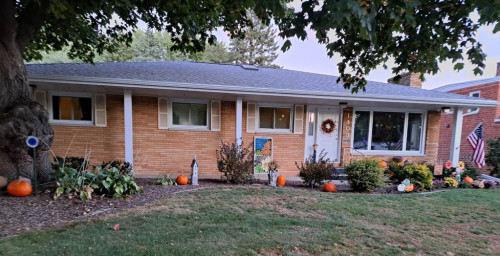
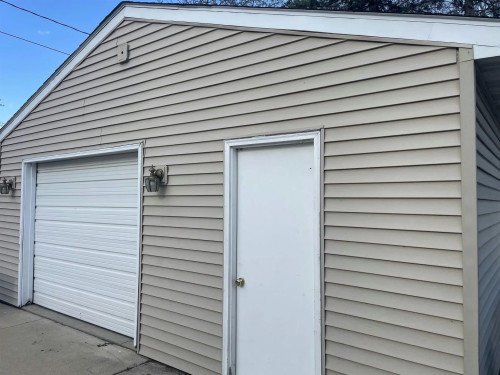
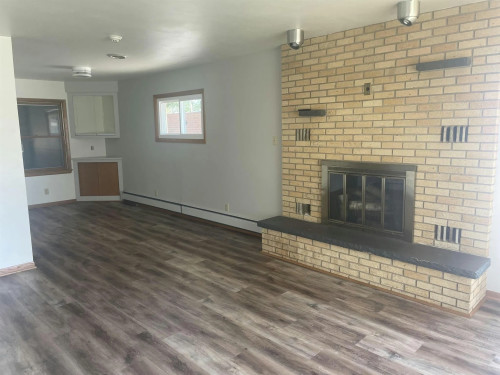
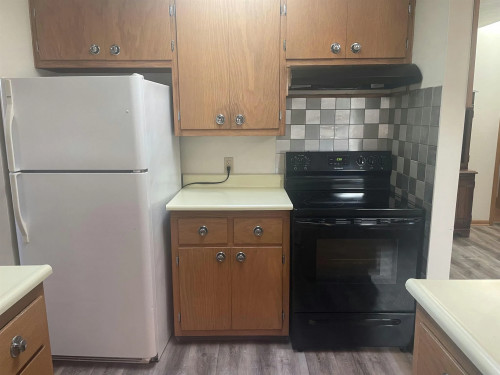
Bridges of Dodge County, also known as Joe’s House, operates as a Christian, faith-based sober living home on the north side of Beaver Dam, Wisconsin. The home opened in December 2015 and supports up to eight residents at a time. Over 6-8 months, the program helps clients develop skills in parenting, career readiness, financial management, health, and finding permanent housing. They can work with probation officers to take justice-involved clients.
Faith and Recovery
The home builds its approach on the belief that faith strengthens recovery. Bridges highlights Matthew 19:26, which says, “With man this is impossible, but with God all things are possible.” Staff encourage residents to develop a personal relationship with Jesus while they work toward sobriety and stability. Bridges also partners with the local chapter of the United Way.
Rhythms of Recovery
Bridges enforces a structured schedule to help residents build discipline and stability. Residents must return by 10:30 p.m. on weekdays and 11:30 p.m. on weekends. Staff conduct regular drug tests to ensure sobriety and ban alcohol, drugs, nicotine, and vaping. Residents attend house classes, group sessions, church, and complete chores. While 12-Step meetings are not part of the house program, residents may attend off-site meetings that fit around the house schedule.
Respect and Structure
Bridges promotes healthy, face-to-face interactions among housemates. Residents can use phones, but staff ask them to take calls in their rooms or on the porch. They must also maintain good hygiene and respect the house’s calm atmosphere. By promoting courtesy and personal care, the program helps residents grow into responsible, respectful community members.
Building Support Networks
By the 4th week, each resident must find a same-gender sponsor who understands their treatment program. The house manager may contact these sponsors to coordinate support. This relationship provides accountability and guidance, helping residents stay committed to their recovery goals after leaving the program.
Phase Back to Normal Life
Bridges of Dodge County takes a phased approach to recovery, where residents study a book and develop a life plan. As residents progress into the next phase, they receive more flexibility.
Independent Funding
Families and friends can pay for a resident’s admission and first four weeks of care. After that, residents cover their own costs. This expectation helps them develop financial responsibility and independence, both of which are key for long-term recovery and success beyond the program.

Center Overview
Support Focus
This center primarily supports substance use disorders, helping you stabilize, create relapse-prevention plans, and connect to compassionate support.

Pricing and Program Length
Estimated Center Costs
The cost listed here ($130/week + $250 admission), is an estimate of program cost. Center price can vary based on program and length of stay. Contact the center for more information. Recovery.com strives for price transparency so you can make an informed decision.
Levels of Care
Your Care Options
Specializations
Drug Addiction
Drug addiction is the excessive and repetitive use of substances, despite harmful consequences to a person's life, health, and relationships.
Christian
Through surrender and commitment to Christ, patients refocus the efforts and source of their recovery with clinical and spiritual care.
Transitional Living
After rehab, some people stay in a transitional living situation before returning home. These programs offer structure, education, and community support.
Who We Support
Men and Women
Men and women attend treatment for addiction in a co-ed setting, going to therapy groups together to share experiences, struggles, and successes.
Approaches
Christian
Through surrender and commitment to Christ, patients refocus the efforts and source of their recovery with clinical and spiritual care.
Therapies
Group Therapy
Group therapy brings people together in a supportive setting to share experiences, develop skills, and work toward common goals.
Relapse Prevention Counseling
Relapse prevention counselors teach patients to recognize the signs of relapse and reduce their risk.
Spiritual Care
Tending to spiritual health helps treatment become more effective, allowing patients to better cope with their emotions and rebuild their spiritual wellbeing.
Languages
Substances We Support
Alcohol
Using alcohol as a coping mechanism, or drinking excessively throughout the week, signals an alcohol use disorder.
Drug Addiction
Drug addiction is the excessive and repetitive use of substances, despite harmful consequences to a person's life, health, and relationships.
Nicotine
Nicotine is a highly addictive substance found in tobacco products and many vapes. It affects the brain, mood, and cardiovascular system. Treatment can help you stop using nicotine.
Opioids
Opioids produce pain-relief and euphoria, which can lead to addiction. This class of drugs includes prescribed medication and the illegal drug heroin.
Smoking Cessation
Smoking cessation is the process of quitting tobacco or nicotine use through behavioral support, medication, lifestyle changes, or a combination of approaches.
Synthetic Drugs
Synthetic drugs are man-made substances designed to mimic the effects of other drugs. Their potency and risks can be unpredictable.
Aftercare
Care Designed for Your Needs
Personal Amenities
Amenities
Special Considerations
Religion-Based Track
Patients can join faith-based recovery tracks to approach recovery with others in their faith, healing in a like-minded group with similar goals.