Recovery In Tune (Closed)

Verified Center

This provider's information has been quality-checked by Recovery.com's Research Team for accuracy and completeness, including center verification through appropriate third-party organizations.

Substance Use and Mental Health

Treatment Focus

This center treats substance use disorders and mental health conditions. You'll receive individualized care catered to your unique situation and diagnosis, learn practical skills for recovery, and make new connections in a restorative environment.

Outpatient

Primary Level of Care

Outpatient treatment offers flexible therapeutic and medical care without the need to stay overnight in a hospital or inpatient facility. Some centers offer intensive outpatient program (IOP), which falls between inpatient care and traditional outpatient service.

2.7
(3)
Insurance

Provider's Policy

Recovery In Tune works with most major insurance carriers and offer a range of options to fit your lifestyle and financial means. However, Recovery In Tune does not accept Medicaid, Medicare, or state insurance.

Recovery In Tune, conveniently located near Fort Lauderdale, orchestrates a personalized approach to treating substance use, process addictions, and mental health. As part of the Harmony Health Group, this nationally recognized center offers a full spectrum of care, including separate programs for addiction and mental health clients. They offer day treatment (PHP), intensive outpatient (IOP), outpatient programs, and sober living. Their healing method resonates with clients with diverse needs, including clients with dual diagnoses. With a commitment to excellence, Recovery In Tune helps individuals find their footing in sobriety.

Expert Care and Tailored Treatment

The experienced professionals at Recovery In Tune are a multidisciplinary team composed of licensed therapists, counselors, and medical professionals who work synergistically to address each client's unique needs. The center's therapeutic repertoire includes evidence-based practices like cognitive behavioral therapy (CBT), dialectical behavior therapy (DBT), motivational interviewing, and holistic approaches like mindfulness and art therapy. This diverse range of therapies allows the staff to create a tailored treatment plan for each client, attending to every aspect of recovery.

Beyond Recovery: Holistic Support

Recovery In Tune’s support services extend beyond traditional addiction treatment. Their holistic approach integrates various aspects of life, offering vocational support to help clients begin new career paths and educational assistance for clients with academic pursuits. The center's family program fosters healing by actively involving loved ones in the recovery journey. Unique offerings like their alumni program and aftercare services allow recovery to continue long after formal treatment ends. With additional practices, including nutritional guidance, fitness programs, and life skills workshops, Recovery In Tune creates a well-rounded, sustainable path for lifelong recovery.

A Welcoming Environment

Recovery In Tune provides a comfortable and supportive atmosphere for individuals on their journey to recovery. The center has modern amenities, including spacious therapy rooms, recreational areas, and serene outdoor spaces. Clients can enjoy various activities that build community and connection, like group exercises, 12-Step groups, and mindfulness practices. With the understanding that recovery extends beyond treatment, Recovery In Tune places a strong emphasis on aftercare services. Their aftercare planning includes ongoing support groups, alumni programs, and personalized follow-up care. Their commitment to holistic wellness and ongoing support creates a nurturing environment where individuals can truly heal and grow.

Recovery In Tune (Closed) thumbnail

Highlights from the Center

Highlights

These highlights are provided by and paid for by the center.

  • 1-on-1 Counseling

  • Customized Treatment Plans

  • Perfect for Professionals

  • Trauma-Informed Care

AT A GLANCE

Center Overview

Location
6530 Griffin Road Davie, FL 33314 View Map
Part of
network
Primary Focus
This center treats substance use disorders and mental health conditions....

Treatment Focus

This center treats substance use disorders and mental health conditions. You'll receive individualized care catered to your unique situation and diagnosis, learn practical skills for recovery, and make new connections in a restorative environment.

Accreditation
Joint Commission

Joint Commission Accredited

The Joint Commission accreditation is a voluntary, objective process that evaluates and accredits healthcare organizations (like treatment centers) based on performance standards designed to improve quality and safety for patients. To be accredited means the treatment center has been found to meet the Commission's standards for quality and safety in patient care.

Typical Program Length
28+ days
Founded in 2015
11 years in business
Occupancy
50+ beds
Conditions We Treat
Anxiety, Depression, Eating Disorders, Personality Disorders +4 More
Substance Use We Treat
Alcohol, Cocaine, Drug Addiction, Methamphetamine +2 More
Recovery In Tune (Closed) logo
Are you the owner of this center? Claim it
How to pay

Insurance Accepted

Provider's Policy: Recovery In Tune works with most major insurance carriers and offer a range of options to fit your lifestyle and financial means. However, Recovery In Tune does not accept Medicaid, Medicare, or state insurance.
(844) 446-0199
Private Pay Option

Cash Pay Rates

Estimated Cash Pay Rate

Center pricing can vary based on program and length of stay. Contact the center for more information. Recovery.com strives for price transparency so you can make an informed decision.

If you are not using insurance, the pricing listed below is an estimate of the cash pay rate.
28+ days
$20,000
(844) 446-0199
Dual Focus: Integrating Mental Health and Substance Use
At Recovery In Tune, their dual focus approach integrates mental health and substance use care, acknowledging their interconnected nature. Their expert team develops personalized treatment plans that address both issues simultaneously. Clients engage in evidence-based therapies like cognitive behavioral therapy (CBT) and receive medication management when necessary. This holistic strategy not only targets specific mental health concerns but also promotes lasting sobriety.
Lifelong Support
Lifelong Support
At Recovery In Tune, the commitment to lifelong support extends well beyond the initial treatment phase, ensuring clients have the resources they need to thrive in their recovery journey. The center offers robust aftercare programs, including ongoing counseling, support groups, and alumni networks, fostering community and connection. Clients have essential coping strategies and tools to navigate challenges post-treatment, reinforcing their resilience.
Community Connection
Recovery In Tune’s approach to treatment is driven by the belief that community is vital to healing. By encouraging a supportive environment, clients connect, share their experiences, and build lasting relationships. Group therapy sessions and peer support activities create a sense of belonging, allowing individuals to feel understood and less isolated in their struggles. This strong community connection not only enhances the recovery experience but also reinforces accountability and motivation.
Sober Living in Fort Lauderdale
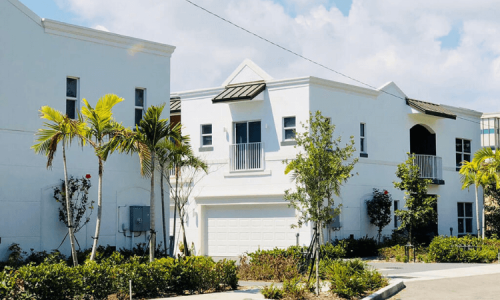
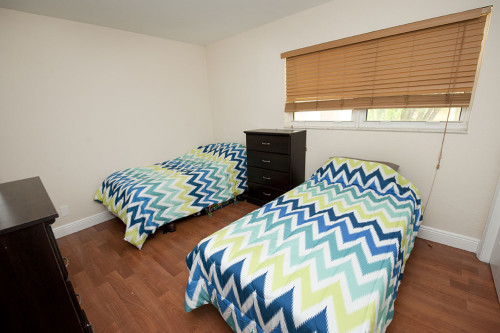
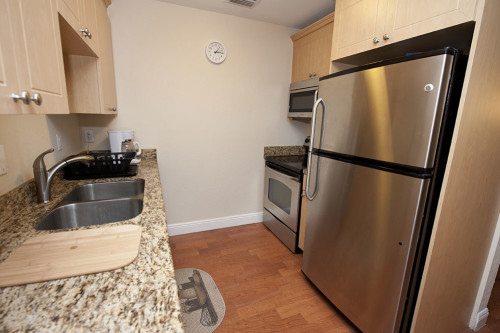
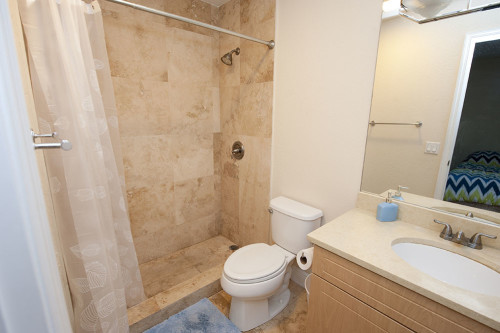
Clients can experience comfort at Recovery In Tune’s sober living facilities. Their FARR certified housing provides excellent care and spacious, gender-specific semi-private rooms equipped with gourmet kitchens. Residents can enjoy high-speed Wi-Fi, smart TVs, and on-site laundry facilities, with all utilities included for added convenience. The safe, monitored environment is staffed 24/7 to support your journey to sobriety. Located close to beautiful beaches, shopping, and employment opportunities, their community fosters a supportive peer environment that motivates individuals on their path to recovery.
Care Options

Levels of Care

Substance use and mental health issues can occur simultaneously or as primary conditions. Effective treatment explores how mental health conditions contribute to addiction, and vice-versa. Many rehabs treat substance use disorders and mental health conditions with personalized care plans.
Detox
Not Offered at This Center
Typically the initial stage of treatment for substance use, focusing on medically supervised management of withdrawal symptoms.
Residential
Not Offered at This Center
Residential programs for substance use and mental health with structured care and 24/7 monitoring. Treatment takes place on-site, with behavioral health professionals often providing care in group, individual, and family settings.
Sober Living
Transitional housing designed to support individuals recovering from substance use disorders offering a safe, supportive and structured environment for practicing long-term sobriety, while reintegrating back into daily living.
Day Treatment
In a PHP, patients live at home but follow an intensive schedule of treatment. Most programs require you to be on-site for about 40 hours per week.
Intensive Outpatient Program
An intensive outpatient program (IOP) falls between inpatient care and traditional outpatient services, with therapy and skills-building activities designed to support recovery and provide flexibility. IOP is ideal for those needing support but not the 24/7 care of a residential facility.
Outpatient
Outpatient treatment offers flexible therapeutic and medical care without the need to stay overnight in a hospital or inpatient facility. Outpatient care typically offers a range of therapies and medical interventions individuals can attend alongside daily life.
Virtual & In-Home Care
Not Offered at This Center
The delivery of therapeutic services utilizing technology such as video conferencing, online messaging or phone calls, allowing for flexibility, comfort and increased access to care.
Treatment

Your Care Options

Specializations

Alcohol

Alcohol

Using alcohol as a coping mechanism, or drinking excessively throughout the week, signals an alcohol use disorder.

Anxiety

Anxiety

Anxiety is a common mental health condition that can include excessive worry, panic attacks, physical tension, and increased blood pressure.

Co-Occurring Disorders

Co-Occurring Disorders

A person with multiple mental health diagnoses, such as addiction and depression, has co-occurring disorders also called dual diagnosis.

Depression

Depression

Symptoms of depression may include fatigue, a sense of numbness, and loss of interest in activities. This condition can range from mild to severe.

Intensive Outpatient Program

Intensive Outpatient Program

In an IOP, patients live at home or a sober living, but attend treatment typically 9-15 hours a week. Most programs include talk therapy, support groups, and other methods.

Opioids

Opioids

Opioids produce pain-relief and euphoria, which can lead to addiction. This class of drugs includes prescribed medication and the illegal drug heroin.

Trauma

Trauma

Some traumatic events are so disturbing that they cause long-term mental health problems. Those ongoing issues can also be referred to as "trauma."

Sober Living

Sober Living

These structured living environments help people transition out of rehab. Residents have more freedom than they do during rehab, but still follow certain rules.

Who We Treat

Men
Women
Young Adults

Young Adults

Emerging adults ages 18-25 receive treatment catered to the unique challenges of early adulthood, like college, risky behaviors, and vocational struggles.

Men and Women

Men and Women

Men and women attend treatment for addiction in a co-ed setting, going to therapy groups together to share experiences, struggles, and successes.

Midlife Adults

Midlife Adults

For adults ages 40+, treatment shifts to focus on the unique challenges, blocks, and risk factors of their age group, and unites peers in a similar community.

Approaches

Evidence-Based

Evidence-Based

A combination of scientifically rooted therapies and treatments make up evidence-based care, defined by their measured and proven results.

Holistic

Holistic

A non-medicinal, wellness-focused approach that aims to align the mind, body, and spirit for deep and lasting healing.

Individual Treatment

Individual Treatment

Individual care meets the needs of each patient, using personalized treatment to provide them the most relevant care and greatest chance of success.

Twelve Step

Twelve Step

Incorporating spirituality, community, and responsibility, 12-Step philosophies prioritize the guidance of a Higher Power and a continuation of 12-Step practices.

Therapies

1-on-1 Counseling

1-on-1 Counseling

Patient and therapist meet 1-on-1 to work through difficult emotions and behavioral challenges in a personal, private setting.

Cognitive Behavioral Therapy
Experiential Therapy

Experiential Therapy

With this approach, patients heal by doing. Therapists help patients process difficult emotions to speak, using guided activities like art or dance.

Eye Movement Therapy (EMDR)

Eye Movement Therapy (EMDR)

Lateral, guided eye movements help reduce the emotional reactions of retelling and reprocessing trauma, allowing intense feelings to dissipate.

Family Therapy

Family Therapy

Family therapy addresses group dynamics within a family system, with a focus on improving communication and interrupting unhealthy relationship patterns.

Group Therapy
Medication-Assisted Treatment

Medication-Assisted Treatment

Combined with behavioral therapy, prescribed medications can enhance treatment by relieving withdrawal symptoms and focus patients on their recovery.

Music Therapy

Music Therapy

Singing, performing, and even listening to music can be therapeutic. Music therapy sessions are facilitated by certified counselors.

Psychoeducation

Psychoeducation

This method combines treatment with education, teaching patients about different paths toward recovery. This empowers them to make more effective decisions.

Languages

English

Conditions We Treat

Anxiety

Anxiety

Anxiety is a common mental health condition that can include excessive worry, panic attacks, physical tension, and increased blood pressure.

Depression

Depression

Symptoms of depression may include fatigue, a sense of numbness, and loss of interest in activities. This condition can range from mild to severe.

Eating Disorders

Eating Disorders

An eating disorder is a long-term pattern of unhealthy behavior relating to food. Most people with eating disorders have a distorted self-image.

Personality Disorders

Personality Disorders

Personality disorders destabilize the way a person thinks, feels, and behaves. If untreated, they can undermine relationships and lead to severe distress.

Pornography Addiction

Pornography Addiction

A person with a porn addiction is emotionally dependent on pornography to the point that it interferes with their daily life and relationships.

Post Traumatic Stress Disorder

Post Traumatic Stress Disorder

PTSD is a long-term mental health issue caused by a disturbing event or events. Symptoms include anxiety, dissociation, flashbacks, and intrusive thoughts.

Sex Addiction

Sex Addiction

Compulsively seeking out sex can easily become a problem. This addiction is detrimental to relationships, physical health, and self-esteem.

Trauma

Trauma

Some traumatic events are so disturbing that they cause long-term mental health problems. Those ongoing issues can also be referred to as "trauma."

Substances We Treat

Alcohol

Alcohol

Using alcohol as a coping mechanism, or drinking excessively throughout the week, signals an alcohol use disorder.

Cocaine

Cocaine

Cocaine is a stimulant with euphoric effects. Agitation, muscle ticks, psychosis, and heart issues are common symptoms of cocaine abuse.

Drug Addiction

Drug Addiction

Drug addiction is the excessive and repetitive use of substances, despite harmful consequences to a person's life, health, and relationships.

Methamphetamine

Methamphetamine

Methamphetamine, or meth, increases energy, agitation, and paranoia. Long-term use can result in severe physical and mental health issues.

Opioids

Opioids

Opioids produce pain-relief and euphoria, which can lead to addiction. This class of drugs includes prescribed medication and the illegal drug heroin.

Prescription Drugs

Prescription Drugs

It's possible to abuse any drug, even prescribed ones. If you crave a medication, or regularly take it more than directed, you may have an addiction.

Aftercare

Relapse Prevention Planning
Alumni Events & Get-Togethers
Follow-up Sessions (in-person)
Alumni Reunions
Medication Assistance
Experience

Care Designed for Your Needs

Personal Amenities

Air-Conditioned Rooms
Bathroom Essentials
Internet
Internet Access
Laundry Service
Outdoor Space
Recreation Room
Shared Bathroom
Shared Rooms

Amenities

Wellness Center
Fitness Center
Internet
Internet Access
Kitchenette
Recreation Room

Special Considerations

Flexible technology policies

Flexible technology policies

Centers with flexible technology policies allow professionals to stay in touch with work and give patients a greater sense of connection and normalcy.

Activities

Yoga

Yoga

Yoga is both a physical and spiritual practice. It includes a flow of movement, breathing techniques, and meditation.

AA/NA Meetings
Adventure Outings
Frequently Asked Questions

Further Research

While costs may vary due to program length and insurance benefits, it typically costs $20,000 .
The following therapies are included: group therapy, 1-on-1 counseling and more.
Davie, Florida, United States.
Recovery In Tune works with most major insurance carriers and offer a range of options to fit your lifestyle and financial means. However, Recovery In Tune does not accept Medicaid, Medicare, or state insurance.
The typical length is 28+ days.
Recovery In Tune (Closed) provides day treatment, intensive outpatient program and more.