Find Treatment By
Rehabs by Location


Find Treatment By
Learn
About Us
Recovery.com combines independent research with expert guidance on addiction and mental health treatment. Our mission is to help everyone find the best path to recovery through the most comprehensive, helpful network of treatment providers worldwide.
Advisory Council
Our advisory council brings together leaders in behavioral health, technology, and business. Their diverse expertise ensures our resources and product are innovative, evidence-based, and effective. They guide our mission as accomplished individuals dedicated to improving the landscape of addiction recovery and mental wellness.
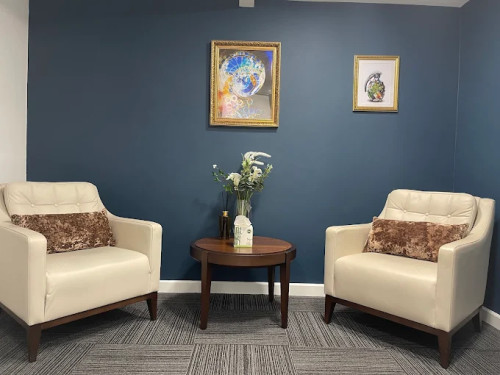
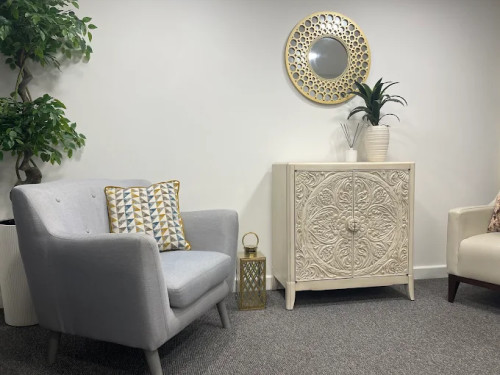
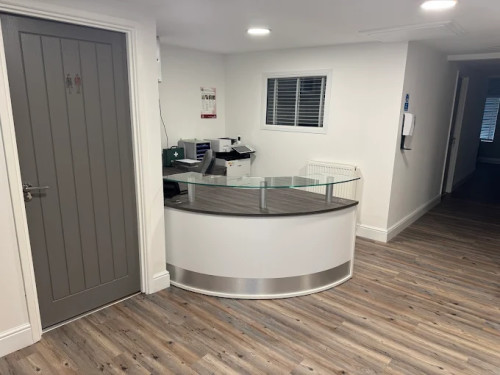
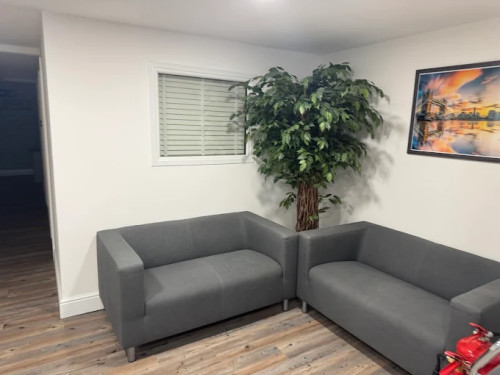
Infinity Addiction Solutions - Essex
Treatment Focus
This center primarily treats substance use disorders, helping you stabilize, create relapse-prevention plans, and connect to compassionate support.
Primary Level of Care
Outpatient treatment offers flexible therapeutic and medical care without the need to stay overnight in a hospital or inpatient facility. Some centers offer intensive outpatient program (IOP), which falls between inpatient care and traditional outpatient service.
Claimed
Recovery.com has connected directly with this treatment provider to validate the information in their profile.
Treatment Focus
This center primarily treats substance use disorders, helping you stabilize, create relapse-prevention plans, and connect to compassionate support.
Primary Level of Care
Outpatient treatment offers flexible therapeutic and medical care without the need to stay overnight in a hospital or inpatient facility. Some centers offer intensive outpatient program (IOP), which falls between inpatient care and traditional outpatient service.
Private Pay
You pay directly for treatment out of pocket. This approach can offer enhanced privacy and flexibility, without involving insurance. Exact costs vary based on program and length of stay. Contact the center for specific details.
Infinity Addiction Solutions - Essex
Infinity Addiction Solutions - Essex
About Infinity Addiction Solutions - Essex
Located in Rayleigh with convenient access to clients accross South Essex, Infinity Addiction Solutions' Essex clinic offers both in person and online sessions, with day and evening options available to choose from. Their rehab services are person centred, coupled with solution focused approaches, evidence-based relapse prevention, and skills based interventions to address co-occurring and contributing factors. Programmes include a low intensity 12-week 1 to 1 programme, and a comprehensive 9-week mid intensity dayhab programme. For individuals who need a higher level of treatment intervention, they help case manage and refer clients to residential care at CQC-accredited partner clinics.
Receive Personalised Care with Practical Tools for Relapse Prevention
Infinity Addiction Solutions delivers personalised care through 1 hour, 1 to 1 sessions with an experienced, registered addictions professional/counsellor, who supports clients in setting and achieving recovery goals, exploring underlying issues contributing to substance use, and teaching practical relapse-prevention skills. Clients also receive tailored home assignments to reinforce progress between sessions.
Understand Addiction and How to Make Lasting Change
The low intensity 12-week private counselling programme follows a 3-phase structure. The first phase focuses on recovery planning, goal setting, and understanding how addiction impacts the brain and how change occurs. Phase 2 explores the consequences of addiction, personal experiences that contribute to addiction, and the real life application of solution-focused skills. Phase 3 equips clients with a relapse-prevention toolkit, helping them gain confidence in managing urges/cravings, navigating challenging situations, environments, and sustaining life without substances.
The mid intensity 9-week programme combines 1-to-1 sessions with group workshop sessions. Delivered using a hybrid approach of online and in-person format. The online group workshops take place twice weekly in the evenings and cover key recovery topics such as mindfulness based relapse prevention, psycho-education and solution focused skills based workshops. Clients families can also participate in a 2-hour family workshop for up to 5 loved ones for guidance on understanding addiction, how best to support the recovery journey, repairing relationships and supporting themselves with extra support.
Reinforce Lasting Recovery with Ongoing Support
When clients complete their programme with Infinity Addiction Solutions, they are provided with 12 months of complimentary aftercare, which includes weekly online group workshops and support from the addiction therapists and their peer group. The weekly groups meet for 1.5 hour long sessions and support ongoing self-development while helping reinforce and maintain recovery skills and tools.
Center Overview
Treatment Focus
This center primarily treats substance use disorders, helping you stabilize, create relapse-prevention plans, and connect to compassionate support.

Pricing and Program Length
Estimated Center Costs
Center pricing can vary based on program and length of stay. Contact the center for more information. Recovery.com strives for price transparency so you can make an informed decision.
Meet Your Care Team
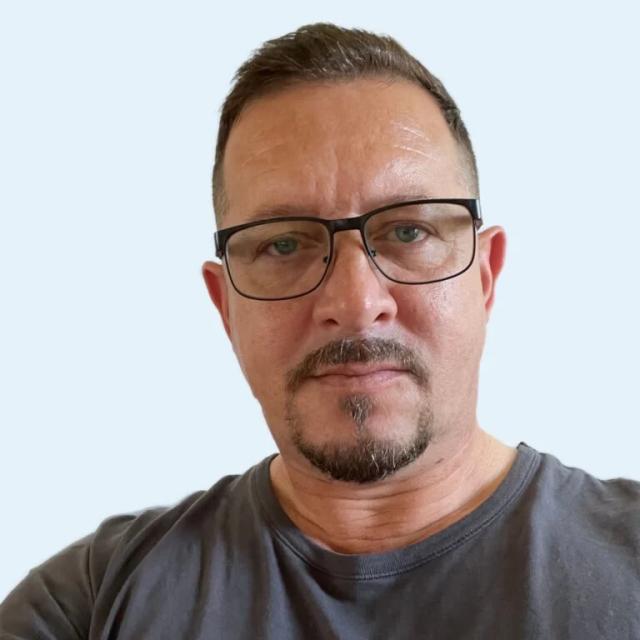
Ian Mann
Founder, MD, and Clinical Addiction Assessment Specialist
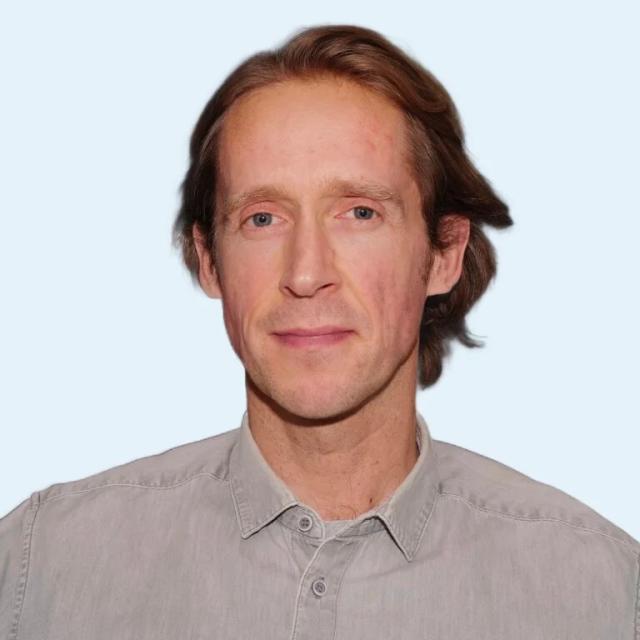
Doug Vaughan
Addiction Specialist & Integrative Psychotherapist
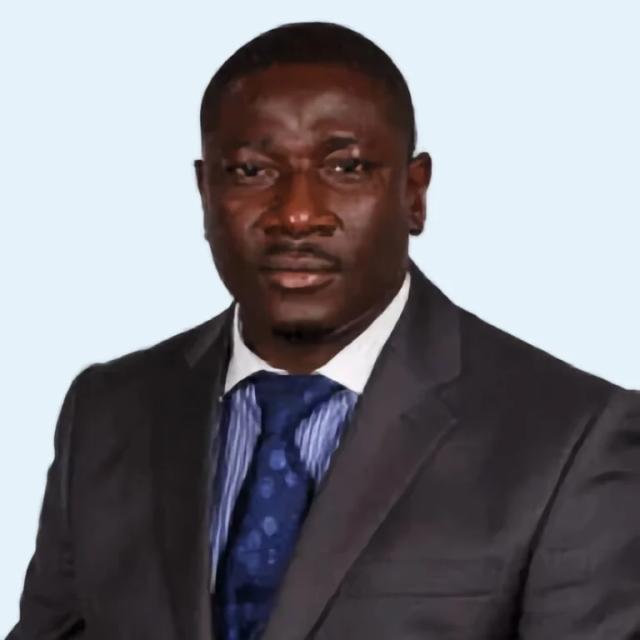
Dr. Olalekan Otulana
GP & Addiction Specialist Physician
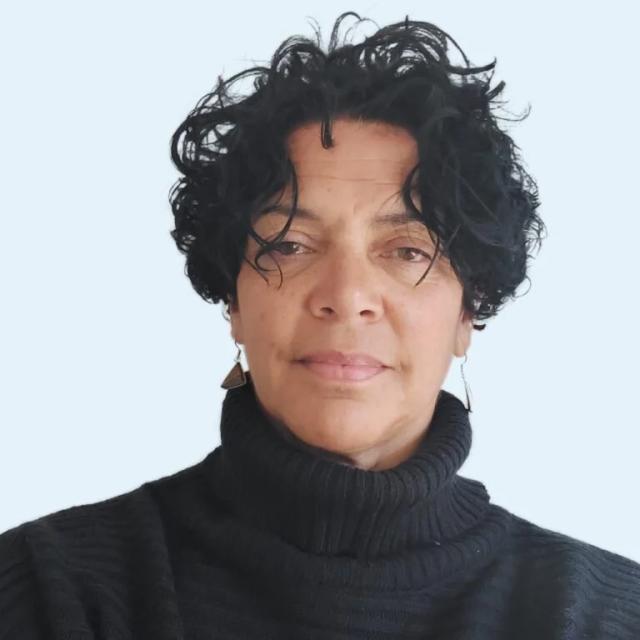
Georgia Daniel
Teacher, Therapist, & Coach
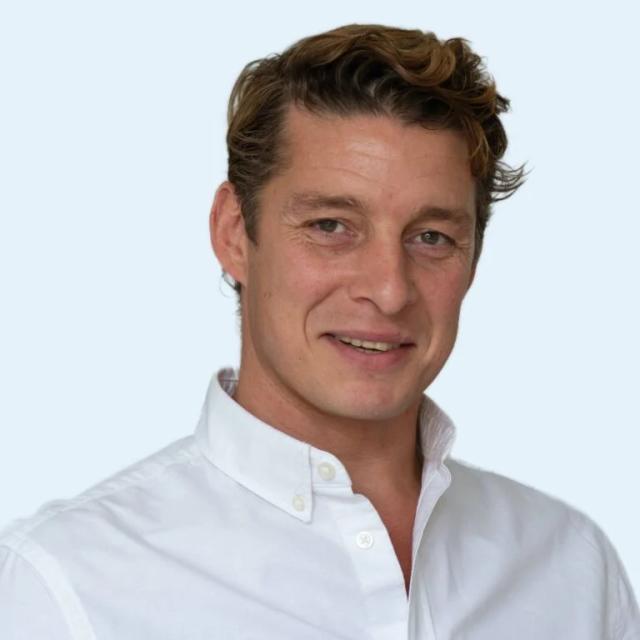
Ben Findlay
Integrative Humanistic Counsellor
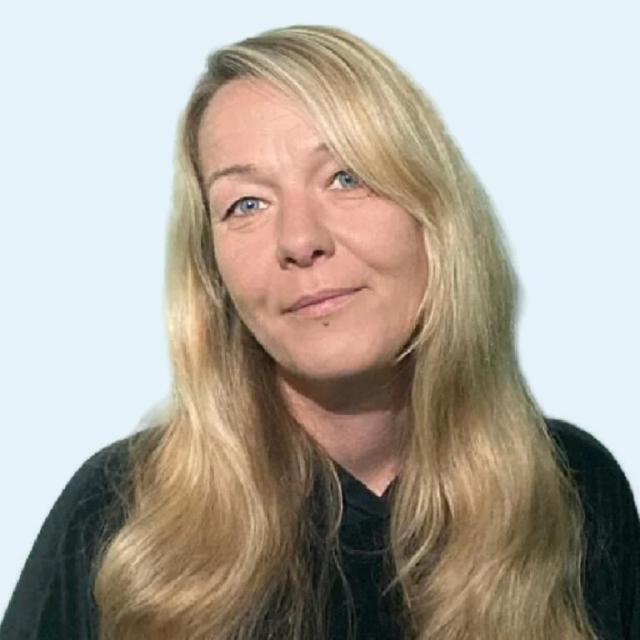
Silvia Kreienkamp
Integrative Counsellor & Psychotherapist, Families Programme Lead Therapist
Levels of Care


Your Care Options
Specializations
Alcohol
Using alcohol as a coping mechanism, or drinking excessively throughout the week, signals an alcohol use disorder.
Cocaine
Cocaine is a stimulant with euphoric effects. Agitation, muscle ticks, psychosis, and heart issues are common symptoms of cocaine abuse.
Opioids
Opioids produce pain-relief and euphoria, which can lead to addiction. This class of drugs includes prescribed medication and the illegal drug heroin.
Prescription Drugs
It's possible to abuse any drug, even prescribed ones. If you crave a medication, or regularly take it more than directed, you may have an addiction.
Who We Treat
Men and Women
Men and women attend treatment for addiction in a co-ed setting, going to therapy groups together to share experiences, struggles, and successes.
Approaches
Holistic
A non-medicinal, wellness-focused approach that aims to align the mind, body, and spirit for deep and lasting healing.
One-to-One
Patients work with their treatment team members on a 1-on-1 basis, keeping their journey and treatment fully private and personalized.
Personalized Treatment
The specific needs, histories, and conditions of individual patients receive personalized, highly relevant care throughout their recovery journey.
Therapies
1-on-1 Counseling
Patient and therapist meet 1-on-1 to work through difficult emotions and behavioral challenges in a personal, private setting.
Mindfulness Therapy
This ancient practice can be mental, emotional, and even spiritual. In meditation, you focus your attention on the present moment without judgement.
Motivational Interviewing
Based on the idea that motivation to change comes from within, providers use a conversational framework to discover personalized methods for change.
Online Therapy
Patients can connect with a therapist via videochat, messaging, email, or phone. Remote therapy makes treatment more accessible.
Psychoeducation
This method combines treatment with education, teaching patients about different paths toward recovery. This empowers them to make more effective decisions.
Languages
Substances We Treat
Alcohol
Using alcohol as a coping mechanism, or drinking excessively throughout the week, signals an alcohol use disorder.
Cocaine
Cocaine is a stimulant with euphoric effects. Agitation, muscle ticks, psychosis, and heart issues are common symptoms of cocaine abuse.
Drug Addiction
Drug addiction is the excessive and repetitive use of substances, despite harmful consequences to a person's life, health, and relationships.
Heroin
Heroin is a highly addictive and illegal opioid. It can cause insomnia, collapsed veins, heart issues, and additional mental health issues.
Opioids
Opioids produce pain-relief and euphoria, which can lead to addiction. This class of drugs includes prescribed medication and the illegal drug heroin.
Prescription Drugs
It's possible to abuse any drug, even prescribed ones. If you crave a medication, or regularly take it more than directed, you may have an addiction.