Find Treatment By
Rehabs by Location


Find Treatment By
Learn
About Us
Recovery.com combines independent research with expert guidance on addiction and mental health treatment. Our mission is to help everyone find the best path to recovery through the most comprehensive, helpful network of treatment providers worldwide.
Advisory Council
Our advisory council brings together leaders in behavioral health, technology, and business. Their diverse expertise ensures our resources and product are innovative, evidence-based, and effective. They guide our mission as accomplished individuals dedicated to improving the landscape of addiction recovery and mental wellness.
The Hope Pad
Treatment Focus
This center primarily treats substance use disorders, helping you stabilize, create relapse-prevention plans, and connect to compassionate support.
Primary Level of Care
Transitional housing designed to support individuals recovering from substance use disorders offering a safe, supportive and structured environment for practicing long-term sobriety, while reintegrating back into daily living.
Claimed
Recovery.com has connected directly with this treatment provider to validate the information in their profile.
Treatment Focus
This center primarily treats substance use disorders, helping you stabilize, create relapse-prevention plans, and connect to compassionate support.
Primary Level of Care
Transitional housing designed to support individuals recovering from substance use disorders offering a safe, supportive and structured environment for practicing long-term sobriety, while reintegrating back into daily living.
Private Pay
You pay directly for treatment out of pocket. This approach can offer enhanced privacy and flexibility, without involving insurance. Exact costs vary based on program and length of stay. Contact the center for specific details.
The Hope Pad
The Hope Pad
About The Hope Pad
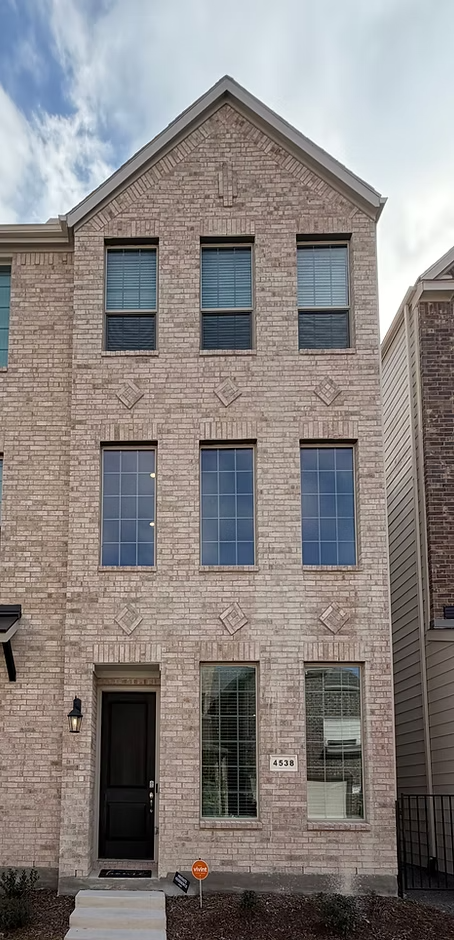
Built on structure, dignity, and ownership, The Hope Pad is a men’s sober living residence for 18+, treating drug addiction and alcohol addiction through accountability, therapy, and daily routine. Their program includes twice-weekly group counseling, nurse practitioner wellness visits, recovery meetings, and high-performance coaching. They offer transitional housing that bridges treatment and independent living through structured curfews, substance testing, and required employment engagement.
Integrated Therapy and Skill Building
In addition, the approach combines clinical care with mind–body practices to strengthen emotional regulation and decision-making. Licensed group therapy builds coping skills and insight, while weekly coaching develops discipline, goal setting, and long-term planning. Yoga classes and gym access improve nervous system balance and physical strength. Regular breathalyzer and urinalysis testing reinforce responsibility and reduce relapse risk.
Structured Living and Modern Comfort
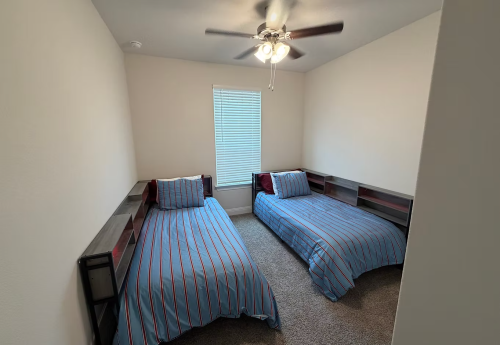
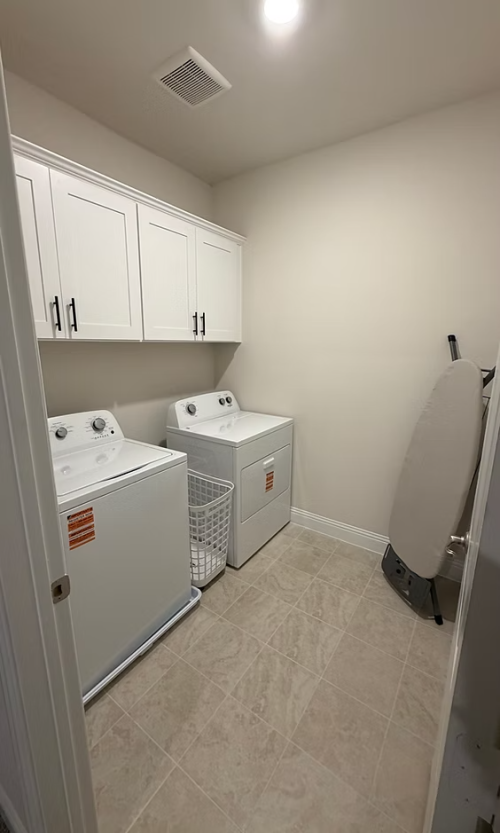
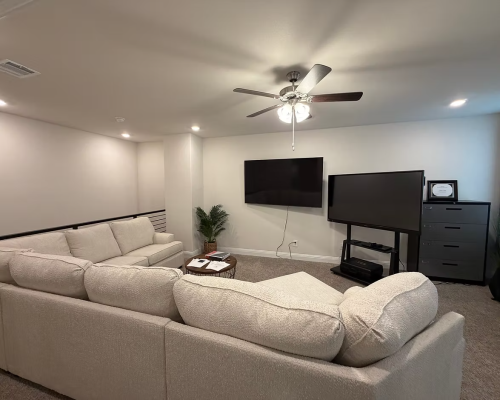
Equally important, the living environment promotes stability and pride. Residents choose single or shared rooms in a fully furnished home featuring memory foam mattresses, high-thread-count linens, and modern kitchens. Weekday meals, Sunday brunch, and daily snacks create routine and nourishment. Two living rooms, workstations, streaming access, and professional cleaning enhance comfort while preserving structure and accountability.
Center Overview
Treatment Focus
This center primarily treats substance use disorders, helping you stabilize, create relapse-prevention plans, and connect to compassionate support.
Supportive Medication for Recovery
Medication-Assisted Treatment (MAT) is an evidence-based approach that pairs FDA-approved medications with counseling to treat addiction. The medications are used to reduce cravings, ease withdrawal symptoms, or block the effects of substances. More about MAT
Methadone

Naltrexone
Buprenorphine



This center accepts patients receiving MAT prescribed elsewhere for opioid use disorder, but does not provide MAT.
Note: Treatment centers offer different forms of MAT—such as oral tablets, dissolvable films, or monthly injections—and their policies can vary based on state regulations, provider preferences, and insurance coverage. Because of these differences, it's best to contact the center directly to learn what options are available and what might be right for your situation.
Pricing and Program Length
Estimated Center Costs
Center pricing can vary based on program and length of stay. Contact the center for more information. Recovery.com strives for price transparency so you can make an informed decision.
Levels of Care


Your Care Options
Specializations
Alcohol
Using alcohol as a coping mechanism, or drinking excessively throughout the week, signals an alcohol use disorder.
Drug Addiction
Drug addiction is the excessive and repetitive use of substances, despite harmful consequences to a person's life, health, and relationships.
Sober Living
These structured living environments help people transition out of rehab. Residents have more freedom than they do during rehab, but still follow certain rules.
Who We Treat
Approaches
Evidence-Based
A combination of scientifically rooted therapies and treatments make up evidence-based care, defined by their measured and proven results.
Gender-Specific
Separate treatment for men or women can create strong peer connections and remove barriers related to trauma, shame, and gender-specific nuances.
Individual Treatment
Individual care meets the needs of each patient, using personalized treatment to provide them the most relevant care and greatest chance of success.
Therapies
1-on-1 Counseling
Patient and therapist meet 1-on-1 to work through difficult emotions and behavioral challenges in a personal, private setting.
Life Skills
Teaching life skills like cooking, cleaning, clear communication, and even basic math provides a strong foundation for continued recovery.
Psychoeducation
This method combines treatment with education, teaching patients about different paths toward recovery. This empowers them to make more effective decisions.
Recreation Therapy
In recreation therapy, recovery can be joyful. Patients practice social skills and work through emotional triggers by engaging in fun activities.
Relapse Prevention Counseling
Relapse prevention counselors teach patients to recognize the signs of relapse and reduce their risk.
Stress Management
Patients learn specific stress management techniques, like breathing exercises and how to safely anticipate triggers.
Yoga
Yoga is both a physical and spiritual practice. It includes a flow of movement, breathing techniques, and meditation.
Languages
Conditions We Treat
Stress
Stress is a natural reaction to challenges, and it can even help you adapt. However, chronic stress can cause physical and mental health issues.
Substances We Treat
Alcohol
Using alcohol as a coping mechanism, or drinking excessively throughout the week, signals an alcohol use disorder.
Chronic Relapse
Consistent relapse occurs repeatedly, after partial recovery from addiction. This condition requires long-term treatment.
Drug Addiction
Drug addiction is the excessive and repetitive use of substances, despite harmful consequences to a person's life, health, and relationships.
Aftercare
Care Designed for Your Needs
Personal Amenities
Amenities
Special Considerations
Transition Program
Patients in a transition program gradually return to life outside treatment, helping lower chances of relapse and continue care in a less intense setting.
Healthy Meals are provided
Great food meets great treatment, with providers serving healthy meals to restore nutrition, wellbeing, and health.
Gender-specific groups
Patients in gender-specific groups gain the opportunity to discuss challenges unique to their gender in a comfortable, safe setting conducive to healing.
Activities
Yoga
Yoga is both a physical and spiritual practice. It includes a flow of movement, breathing techniques, and meditation.