Find Treatment By
Rehabs by Location


Find Treatment By
Learn
About Us
Recovery.com combines independent research with expert guidance on addiction and mental health treatment. Our mission is to help everyone find the best path to recovery through the most comprehensive, helpful network of treatment providers worldwide.
Advisory Council
Our advisory council brings together leaders in behavioral health, technology, and business. Their diverse expertise ensures our resources and product are innovative, evidence-based, and effective. They guide our mission as accomplished individuals dedicated to improving the landscape of addiction recovery and mental wellness.
Greenville Transitions
Verified Center
This provider's information has been quality-checked by Recovery.com's Research Team for accuracy and completeness, including center verification through appropriate third-party organizations.
Treatment Focus
This center treats substance use disorders and co-occurring mental health conditions. Your treatment plan addresses each condition at once with personalized, compassionate care for comprehensive healing.
Primary Level of Care
Treatment Focus
This center treats substance use disorders and co-occurring mental health conditions. Your treatment plan addresses each condition at once with personalized, compassionate care for comprehensive healing.
Primary Level of Care
Provider's Policy
Greenville Transitions takes the listed insurance on an out-of-network basis.
Greenville Transitions
Greenville Transitions
About Greenville Transitions
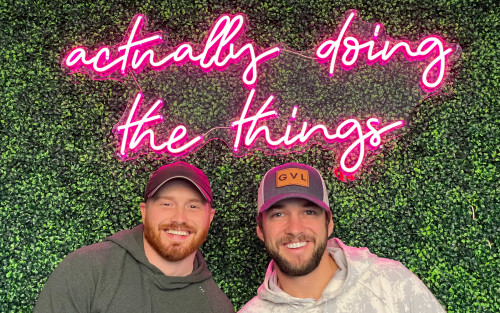
Greenville Transitions provides a roadmap for young men aged 17–34 who are ready to trade addiction for a life of purpose. This is an owner-involved community where leadership is in the trenches with the guys every day, knowing their families and their stories. While every resident stays sharp by attending the required on-site outpatient programs (PHP, IOP, or OP), the heart of the experience is the four-phase sober living system. Over 6 to 9 months, men dive into 12-step fundamentals, building a solid foundation while being treated as individuals.
Master Skills to Lead to a Successful Life
Greenville Transitions is built for guys who want a life worth living. This high-energy brotherhood centers on adventure and essential life skills like financial literacy, fitness, and career building. While every resident stays sharp through integrated outpatient programs, the focus remains on what happens outside the office. By mastering real-world responsibilities alongside a crew of brothers, men gain the grit and tools needed to stay successful for the long haul.
Discover Joy in a Place Built for Living
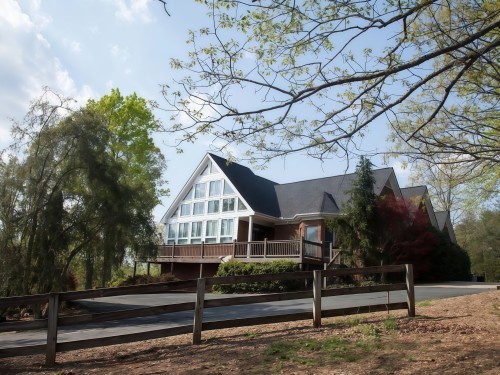
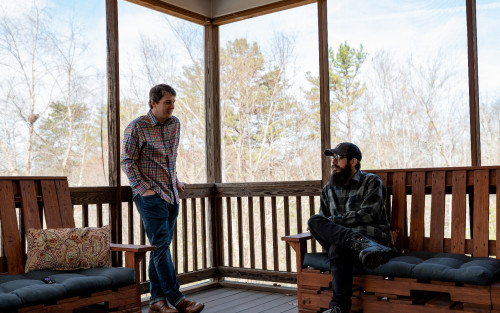
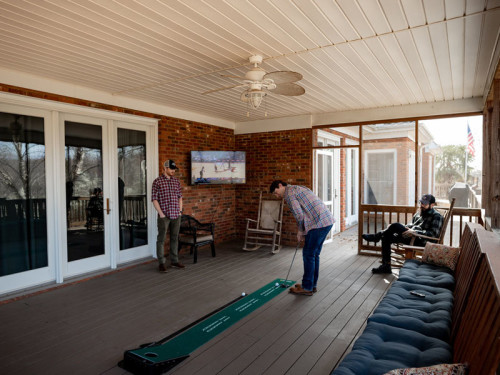
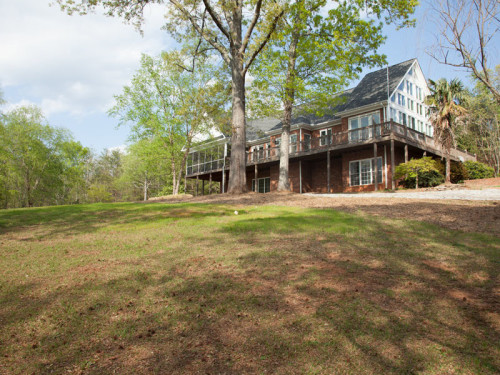
Set on 35 acres of mountain landscape, this 4,250 sq. ft. home is a launchpad for a new life. From jam sessions with in-house instruments to fireside chats and hiking Paris Mountain, residents find joy in their stay. With gaming, music gear, and a focus on individual accountability rather than restrictive cell phone blackouts, men regain their dignity and build a future at the same time.
Highlights from the Center
Highlights
These highlights are provided by and paid for by the center.
Customized Treatment Plans
Holistic Approach
Certified Professionals
Men Only
Center Overview
Treatment Focus
This center treats substance use disorders and co-occurring mental health conditions. Your treatment plan addresses each condition at once with personalized, compassionate care for comprehensive healing.

Insurance Accepted









Cash Pay Rates
Estimated Cash Pay Rate
Center pricing can vary based on program and length of stay. Contact the center for more information. Recovery.com strives for price transparency so you can make an informed decision.

Recovery.com Verified Listing
Recovery.com verified that the name, location, contact information and license to operate for this treatment provider are valid and up-to-date.

Licensed by South Carolina
Recovery.com is an independent, third-party mental health resource. Verification does not imply endorsement and does not guarantee the quality of treatment services.
Meet Your Care Team
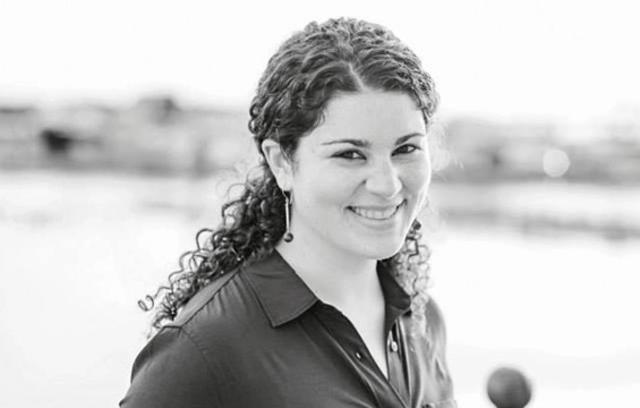
DR. Mary Ladd
Psychiatrist
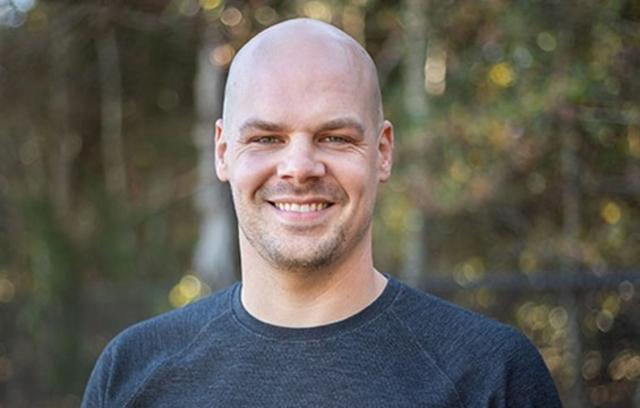
Cole Cown
Clinical Director
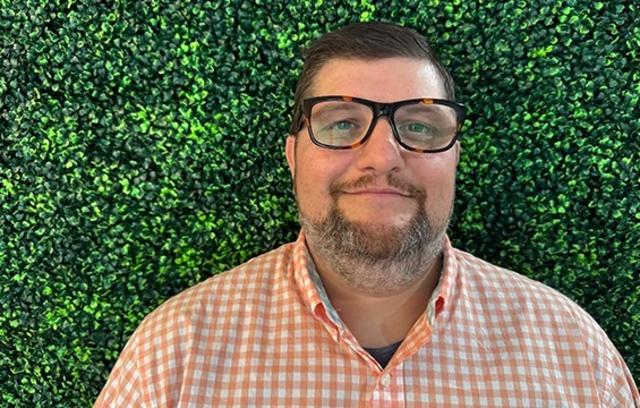
Scott Pressley
Program Director
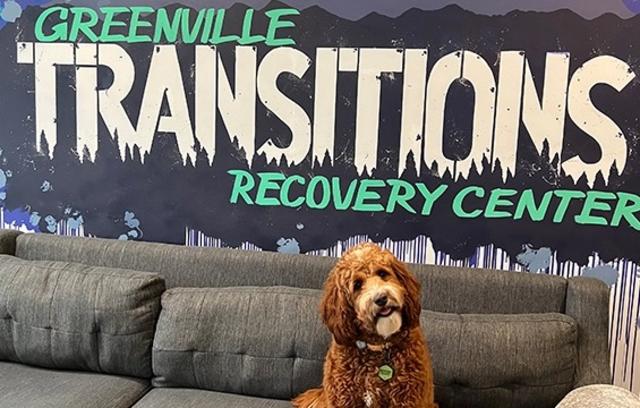
Mr. Wilson
Emotional Support
Supportive Medication for Recovery
Medication-Assisted Treatment (MAT) is an evidence-based approach that pairs FDA-approved medications with counseling to treat addiction. The medications are used to reduce cravings, ease withdrawal symptoms, or block the effects of substances. More about MAT
Methadone

Naltrexone
Buprenorphine


Note: Treatment centers offer different forms of MAT—such as oral tablets, dissolvable films, or monthly injections—and their policies can vary based on state regulations, provider preferences, and insurance coverage. Because of these differences, it's best to contact the center directly to learn what options are available and what might be right for your situation.
Your Care Options
Specializations
Outpatient
During outpatient rehab, patients attend a structured treatment program while continuing to live at home.
Sober Living
These structured living environments help people transition out of rehab. Residents have more freedom than they do during rehab, but still follow certain rules.
Who We Treat
Young Adults
Emerging adults ages 18-25 receive treatment catered to the unique challenges of early adulthood, like college, risky behaviors, and vocational struggles.
Treatment Services
Outpatient
During outpatient rehab, patients attend a structured treatment program while continuing to live at home.
Prescribes Medications for Alcohol Use Disorder
The provider prescribes medications for addiction treatment, also known as Medication-Assisted Treatment (MAT), for alcohol use.
Prescribes Medications for Opioid Use Disorder
The provider prescribes medications for addiction treatment, also known as Medication-Assisted Treatment (MAT), for opioid use.
Recovery Coaching
A support service designed to help individuals identify and maintain their personal recovery goals, provide guidance and support, and connect them with recovery resources and community-based services.
Sober Living
These structured living environments help people transition out of rehab. Residents have more freedom than they do during rehab, but still follow certain rules.
Transitional Living
After rehab, some people stay in a transitional living situation before returning home. These programs offer structure, education, and community support.
Approaches
Twelve Step
Incorporating spirituality, community, and responsibility, 12-Step philosophies prioritize the guidance of a Higher Power and a continuation of 12-Step practices.
Therapies
Life Skills
Teaching life skills like cooking, cleaning, clear communication, and even basic math provides a strong foundation for continued recovery.
Nutrition Counseling
Nutritious food helps patients heal from within, setting them up for mental and bodily wellness as they learn about healthy eating.
Relapse Prevention Counseling
Relapse prevention counselors teach patients to recognize the signs of relapse and reduce their risk.
Twelve Step Facilitation
12-Step groups offer a framework for addiction recovery. Members commit to a higher power, recognize their issues, and support each other in the healing process.
Languages
Conditions We Treat
ADHD, ADD
ADHD is a common mental health condition caused by dopamine imbalance. Common symptoms include inattention, hyperactivitiy, and impulsivity.
Anger
Although anger itself isn't a disorder, it can get out of hand. If this feeling interferes with your relationships and daily functioning, treatment can help.
Anxiety
Anxiety is a common mental health condition that can include excessive worry, panic attacks, physical tension, and increased blood pressure.
Bipolar
This mental health condition is characterized by extreme mood swings between depression, mania, and remission.
Burnout
Burnout entails mental and physical exhaustion, and leads to a severe lack of fulfillment. This condition is often caused by overwork.
Codependency
Codependency is a pattern of emotional dependence and controlling behavior. It's most common among people with addicted loved ones.
Depression
Symptoms of depression may include fatigue, a sense of numbness, and loss of interest in activities. This condition can range from mild to severe.
Grief and Loss
Grief is a natural reaction to loss, but severe grief can interfere with your ability to function. You can get treatment for this condition.
Substances We Treat
Alcohol
Using alcohol as a coping mechanism, or drinking excessively throughout the week, signals an alcohol use disorder.
Benzodiazepines
Benzodiazepines are prescribed to treat anxiety and sleep issues. They are highly habit forming, and their abuse can cause mood changes and poor judgement.
Chronic Relapse
Consistent relapse occurs repeatedly, after partial recovery from addiction. This condition requires long-term treatment.
Co-Occurring Disorders
A person with multiple mental health diagnoses, such as addiction and depression, has co-occurring disorders also called dual diagnosis.
Cocaine
Cocaine is a stimulant with euphoric effects. Agitation, muscle ticks, psychosis, and heart issues are common symptoms of cocaine abuse.
Drug Addiction
Drug addiction is the excessive and repetitive use of substances, despite harmful consequences to a person's life, health, and relationships.
Ecstasy
Ecstasy is a stimulant that causes intense euphoria and heightened awareness. Abuse of this drug can trigger depression, insomnia, and memory problems.
Heroin
Heroin is a highly addictive and illegal opioid. It can cause insomnia, collapsed veins, heart issues, and additional mental health issues.
Care Designed for Your Needs
Personal Amenities
Special Considerations
Young Adults Program
Programs for young adults bring teens 18+ together to discuss age-specific challenges, vocational and educational progress, and successes in treatment.
Flexible technology policies
Centers with flexible technology policies allow professionals to stay in touch with work and give patients a greater sense of connection and normalcy.
Activities
Off-Site Activities
Off-Site Amenities
Smoking and Vaping Policy
Learn More About the Center
The Program
Build a life that supports recovery, day in and day out.
The Mountainside Facility
Experience a living environment built for growth and real change.
Meet the Specialists
Meet the people who walk beside residents through every step of change.
Apply Today
Take the first step toward a new life and apply today.